HeadPowder, a leading provider in the field, specializes in the design, manufacturing, and installation of advanced dry powder pneumatic conveying systems. These systems are essential for efficiently transporting dry powders over long distances, ensuring minimal product degradation and optimal operational efficiency. The following sections will delve into the operational process and working principles of such systems, highlighting the key components and their functions.
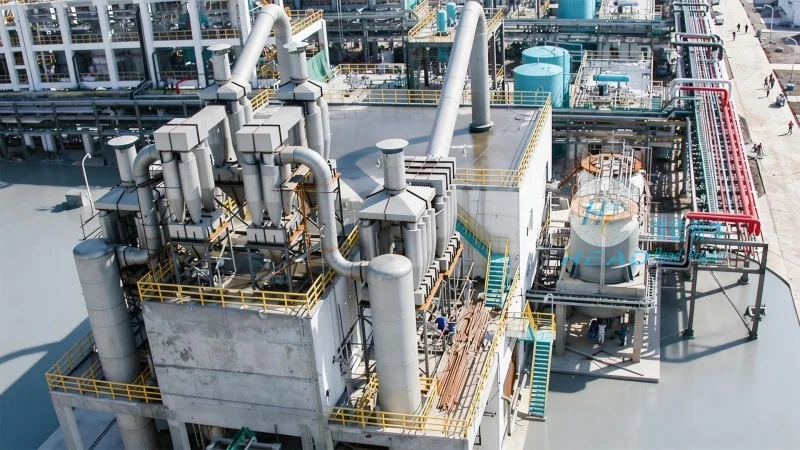
Key Components of a Dry Powder Pneumatic Conveying System
A typical dry powder pneumatic conveying system comprises several critical components that work in tandem to achieve seamless material transport. The primary components include the hopper, feeder, air compressor, pipeline system, and receiver. Each component plays a vital role in the overall functionality of the system.
The hopper is the initial storage vessel where the dry powder is held before being fed into the system. It is designed to maintain the material's integrity and prevent caking or agglomeration. The feeder, often a rotary valve or a screw feeder, regulates the flow of powder from the hopper into the pipeline. This controlled feeding ensures a consistent and steady supply of material to the system.
The air compressor is the heart of the pneumatic conveying system, generating the necessary pressure to move the powder through the pipeline. The compressor can be either positive displacement or centrifugal, depending on the system's requirements and the characteristics of the powder being transported. The pipeline system consists of a network of pipes that connect the various components, allowing the powder to be conveyed from the source to the destination. The receiver is the final storage vessel where the conveyed powder is deposited, completing the transport process.
Operation Process of the Dry Powder Pneumatic Conveying System
The operation of a dry powder pneumatic conveying system involves a series of steps that ensure efficient and reliable material transport. The process begins with the loading of the hopper with the dry powder. Once the hopper is filled, the feeder starts to discharge the powder into the pipeline at a controlled rate. Simultaneously, the air compressor starts operating, generating the required air pressure to move the powder through the pipeline.
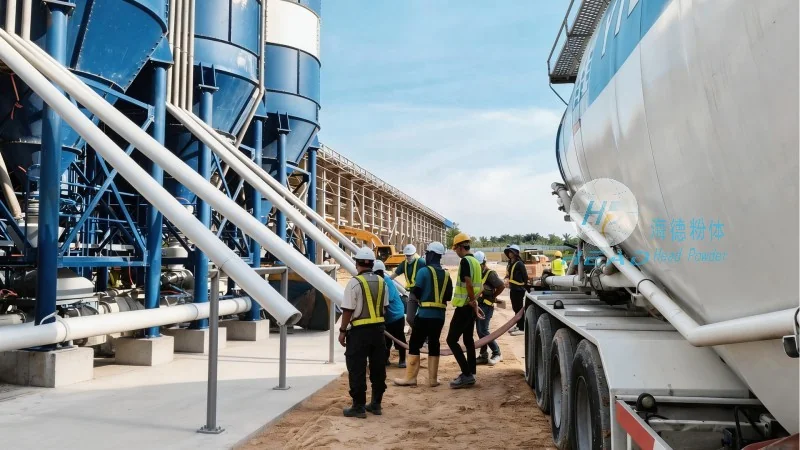
As the powder enters the pipeline, it is entrained by the high-velocity air stream. The air and powder mixture travels through the pipeline system, overcoming any resistance or obstacles along the way. The receiver is positioned at the end of the pipeline, where the powder is deposited as the air stream slows down and the powder settles due to gravity. The air, now separated from the powder, is typically vented or recirculated back into the system to maintain energy efficiency.
Throughout the operation, the system continuously monitors key parameters such as pressure, flow rate, and temperature to ensure optimal performance. Any deviations from the set points are automatically adjusted by the control system, maintaining the stability of the conveying process. This closed-loop control ensures consistent and reliable operation, minimizing downtime and maximizing productivity.
Working Principle of the Pneumatic Conveying Mechanism
The working principle of a dry powder pneumatic conveying system is based on the fundamental concept of fluidization and particle transport. The system uses compressed air to create a fluidized state in the powder, allowing it to be moved through the pipeline as a slurry. The key to efficient conveying lies in achieving the right balance between air velocity and powder concentration.
When the air compressor provides the necessary pressure, the air flows through the feeder and into the pipeline, carrying the powder particles along with it. The air velocity must be sufficient to overcome the gravitational forces acting on the powder particles and to maintain the powder in a suspended state. If the air velocity is too low, the powder will settle and clog the pipeline. Conversely, if the air velocity is too high, the powder may be carried too quickly, leading to excessive pressure drop and energy consumption.
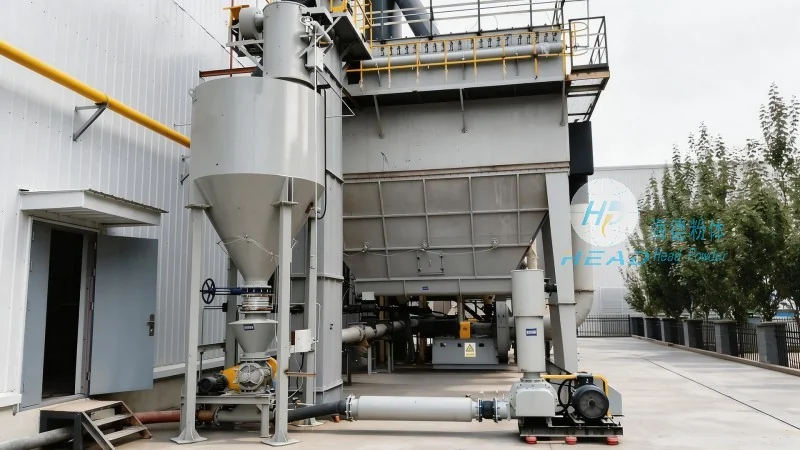
The system's design takes into account the specific properties of the dry powder, such as particle size, density, and moisture content, to optimize the conveying process. For example, fine powders may require higher air velocities to prevent clogging, while bulkier particles may need lower velocities to maintain efficiency. The control system continuously adjusts the air flow and pressure to maintain the optimal conveying conditions, ensuring that the powder is transported efficiently and without damage.
Benefits and Applications of Dry Powder Pneumatic Conveying Systems
Dry powder pneumatic conveying systems offer numerous benefits over traditional conveying methods, such as belt conveyors or bucket elevators. These systems are particularly advantageous for transporting materials that are sensitive to moisture, temperature, or contamination. The enclosed pipeline system prevents exposure to the environment, ensuring that the powder remains in its original state throughout the transport process.
Additionally, pneumatic conveying systems are highly flexible and can be easily integrated into existing production lines. They can transport materials over long distances, with minimal space requirements, and can be configured to handle various powder types and flow rates. The systems are also capable of handling abrasive or corrosive powders, making them suitable for a wide range of industrial applications.
HeadPowder's dry powder pneumatic conveying systems are widely used in industries such as pharmaceuticals, food processing, chemical manufacturing, and mining. In the pharmaceutical industry, these systems are used to transport active pharmaceutical ingredients (APIs) and excipients, ensuring that the materials are handled hygienically and without contamination. In the food industry, they are used to convey powders like flour, sugar, and spices, maintaining the quality and freshness of the products. In the chemical industry, they are used to transport raw materials and intermediates, ensuring safe and efficient handling of hazardous substances.




