HeadPowder, a leading provider in the field of material handling solutions, specializes in the design, manufacturing, and implementation of advanced pneumatic conveying systems tailored for carbon particulate materials. With a strong presence in Shandong, China, the company leverages its expertise to deliver efficient and reliable systems that meet the stringent requirements of modern industrial applications. This article provides an in-depth look at the technology behind carbon particulate pneumatic conveying, detailing the working principles and key components that ensure optimal performance.
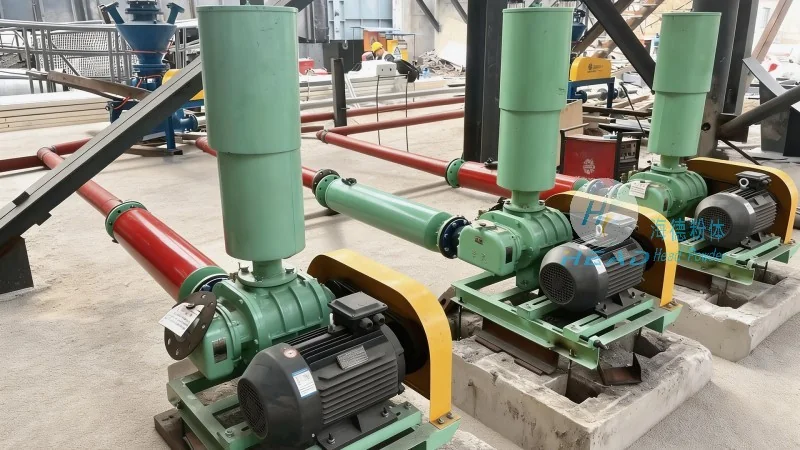
Key Components of Pneumatic Conveying Systems for Carbon Particulates
The core of any pneumatic conveying system is its ability to transport bulk materials through a pressurized or vacuum environment. For carbon particulates, such as carbon black, graphite, or other fine powders, the system typically consists of several critical components. These include a feeding device, a conveying line (often equipped with bends and straight sections), a control valve, a filter or separator, and a discharge device. Each component plays a vital role in ensuring the smooth and efficient movement of the material from the source to the destination.
Working Principle of Pneumatic Conveying Systems
Pneumatic conveying operates by using air or gas to create a flow that transports the carbon particulates. There are two primary modes of operation: pressure and vacuum. In pressure systems, air is compressed and introduced into the conveying line at a higher pressure than the ambient environment, pushing the material forward. In vacuum systems, a vacuum is created at the discharge end, pulling the material through the line. The choice between pressure and vacuum depends on factors such as the distance to be covered, the material's properties, and the system's overall design. For carbon particulates, which are often fine and abrasive, pressure systems are commonly preferred due to their ability to handle higher material loads and maintain consistent flow rates.
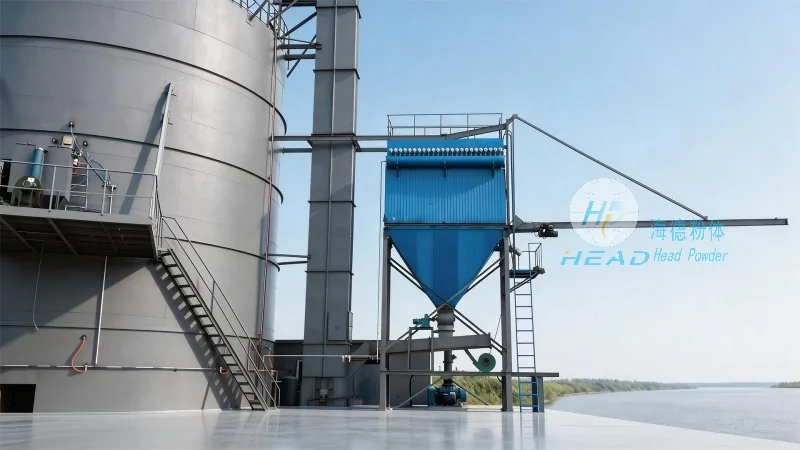
Advantages of Pneumatic Conveying for Carbon Particulates
Compared to traditional methods like belt conveyors or screw conveyors, pneumatic conveying offers several advantages when handling carbon particulates. These include reduced material degradation, as the material is not subjected to mechanical friction or impact. The system also provides better containment, minimizing dust emissions and ensuring a cleaner working environment. Additionally, pneumatic conveying allows for flexible routing, enabling materials to be transported around obstacles or to multiple destinations from a single source. The ability to handle both dry and wet carbon particulates, as well as varying particle sizes, further enhances its versatility.
Applications and Industries Served by HeadPowder
HeadPowder's pneumatic conveying systems are widely used across various industries that rely on carbon particulate materials. These include the rubber and tire manufacturing industry, where carbon black is a critical additive for reinforcing rubber compounds. The chemical industry also utilizes these systems for transporting graphite and other carbon-based chemicals. Additionally, the battery and electronics sectors benefit from the efficient handling of carbon powders used in battery electrodes and other components. By understanding the specific needs of each industry, HeadPowder customizes its systems to ensure maximum efficiency and reliability.
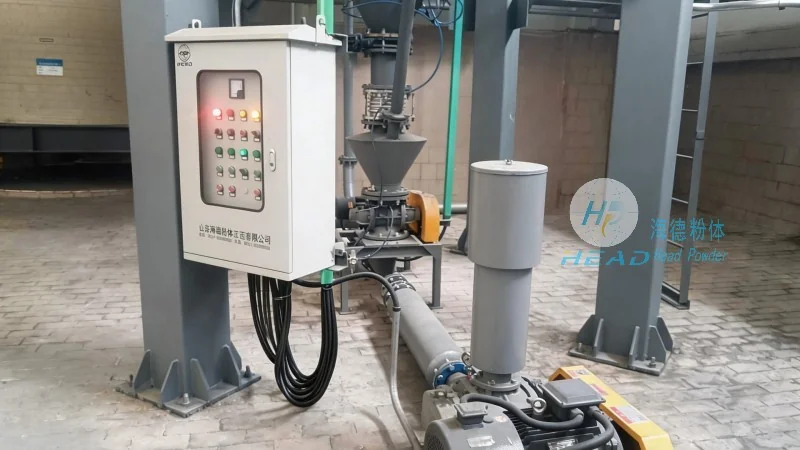
Customization and Integration Services by HeadPowder
At HeadPowder, we recognize that every industrial application is unique. Therefore, our approach involves a thorough consultation process to understand the client's specific requirements, including material characteristics, conveying distance, and operational constraints. Based on this analysis, we design and manufacture customized pneumatic conveying systems that are tailored to meet the exact needs of the client. Our team of engineers and technicians works closely with clients to ensure that the system is integrated seamlessly into their existing operations, minimizing downtime and maximizing productivity. We also provide ongoing support and maintenance services to ensure the long-term performance and reliability of our systems.
Conclusion: The Future of Carbon Particulate Handling with Pneumatic Conveying
As industries continue to demand more efficient and reliable material handling solutions, pneumatic conveying systems, particularly those designed for carbon particulates, remain a critical technology. HeadPowder's commitment to innovation and quality ensures that clients receive systems that not only meet current standards but also adapt to future technological advancements. By leveraging our expertise and experience, we help industries optimize their processes, reduce costs, and enhance overall operational efficiency. The working principles and components discussed in this article highlight the sophistication and effectiveness of pneumatic conveying, making it an indispensable solution for the handling of carbon particulate materials.




