Calcite, a widely used industrial mineral, often requires efficient and reliable material handling solutions for processing and transportation. The pneumatic conveying system, particularly designed for calcite, offers a sophisticated approach to move this mineral from one location to another with precision and minimal loss. Shandong HeadPowder Engineering Co., Ltd., a leading manufacturer of industrial material handling solutions, specializes in designing and supplying pneumatic conveying systems tailored to the needs of calcite processing industries. This article delves into the operational process and underlying principles of such a system, highlighting the key components and their functions, as well as the overall workflow that ensures smooth and effective material transfer.
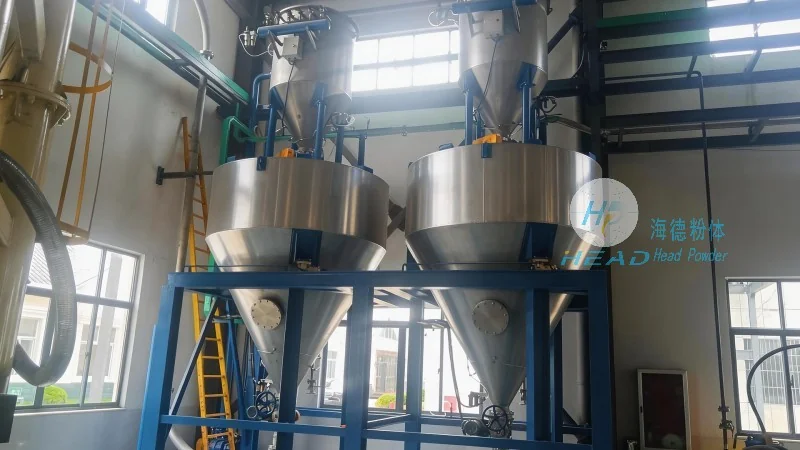
Key Components of the Pneumatic Conveying System
The calcite pneumatic conveying system comprises several critical components that work in tandem to achieve efficient material transport. These include the material hopper, which serves as the storage and feeding unit, the air compressor or blower that generates the necessary air pressure, the conveying pipeline where the calcite particles are suspended and transported, and the receiver or discharge unit that collects the material at the destination. Each component plays a vital role in maintaining the system's performance and ensuring the integrity of the calcite particles during transit.
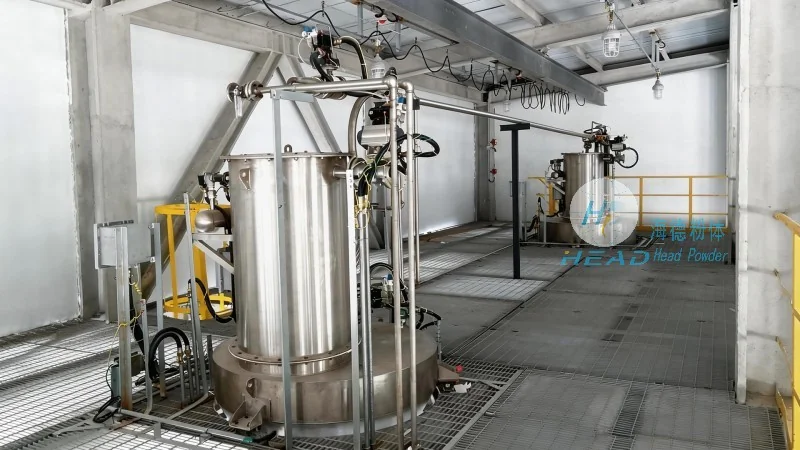
Working Principle of the Pneumatic Conveying System
The core principle of the pneumatic conveying system is the use of compressed air to create a flow that lifts and transports the calcite particles through the pipeline. When the air compressor operates, it generates a high-pressure air stream that enters the material hopper. The air then mixes with the calcite powder, creating a slurry-like mixture that is propelled forward through the pipeline due to the air's kinetic energy. The velocity of the air is carefully controlled to ensure that the calcite particles are fully suspended without causing excessive wear or degradation. The system may employ different types of conveying, such as dilute-phase or dense-phase, depending on the specific requirements of the calcite material and the distance of transport.
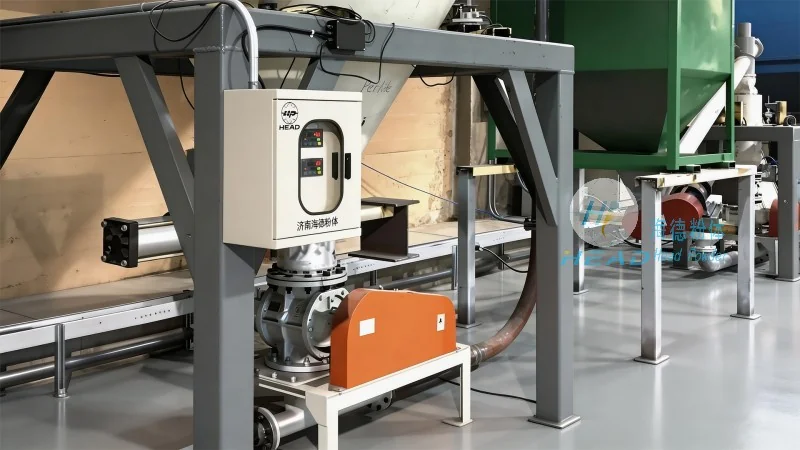
Operational Process of the System
The operational process of the calcite pneumatic conveying system begins with the loading of calcite into the material hopper. The hopper is equipped with a feeding mechanism, such as a rotary valve or a screw feeder, which regulates the flow of calcite into the system. Once the hopper is filled, the air compressor is activated, and the compressed air is introduced into the hopper. The air then lifts the calcite particles and carries them through the conveying pipeline to the receiver. The receiver is typically a hopper or a storage tank that collects the calcite at the destination. The system may also include a filter or separator to remove any excess air or fine particles before the calcite is discharged. The entire process is automated and can be controlled remotely, ensuring consistent and reliable operation.
Advantages of Using a Pneumatic Conveying System for Calcite
Employing a pneumatic conveying system for calcite offers several advantages over traditional material handling methods. Firstly, it eliminates the need for mechanical components like belts or buckets, reducing the risk of material contamination and wear. Secondly, the system provides a dust-free and enclosed environment, which is crucial for maintaining the purity of calcite, especially when it is used in pharmaceutical or food industries. Thirdly, the system allows for flexible and scalable operations, as the conveying distance and capacity can be adjusted by modifying the pipeline and air pressure. Additionally, the system is energy-efficient and can be integrated with other processing equipment, streamlining the overall production workflow.
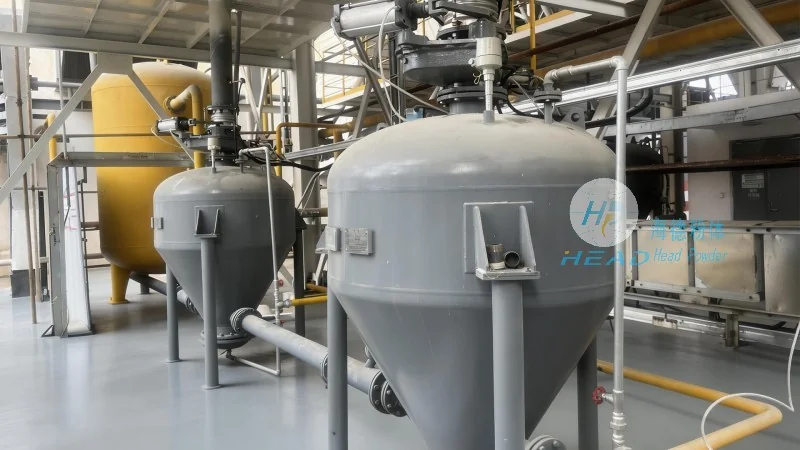
Maintenance and Troubleshooting for the System
To ensure the long-term performance and reliability of the calcite pneumatic conveying system, regular maintenance is essential. This includes checking the air compressor for proper operation, inspecting the conveying pipeline for blockages or leaks, and cleaning the filter or separator to prevent clogging. If the system experiences issues such as reduced conveying capacity or increased air pressure, it may indicate a blockage in the pipeline or a problem with the feeding mechanism. In such cases, the system should be shut down and inspected to identify and resolve the issue. Proper maintenance not only extends the lifespan of the equipment but also ensures consistent material quality and operational efficiency.




