For construction and finishing applications, efficient material handling is crucial, especially when dealing with dry powders like joint compound. Pneumatic conveying systems offer a reliable solution for transporting these materials, and the joint compound pneumatic conveying machine is a specialized equipment designed to handle such tasks with precision and efficiency. This article delves into the operation process and working principle of these machines, highlighting how they contribute to streamlined material handling in construction projects.
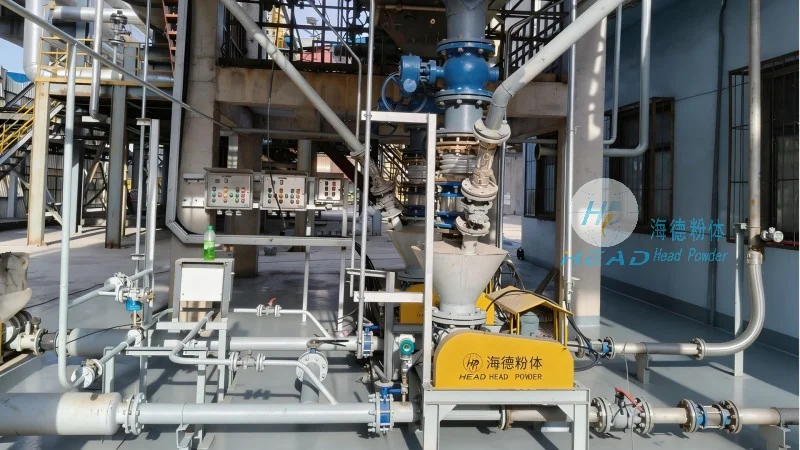
HeadPowder, a leading manufacturer based in Shandong, China, specializes in engineering solutions for material handling and processing. With a focus on quality and innovation, the company has developed advanced pneumatic conveying systems tailored to the needs of the construction industry. The joint compound pneumatic conveying machine from HeadPowder is engineered to ensure safe, efficient, and consistent transportation of joint compound, a key component in wall and ceiling finishing.
The working principle of a joint compound pneumatic conveying machine revolves around the use of compressed air to move dry powder materials through a pipeline system. The system typically consists of several key components, including a hopper for material storage, a rotary valve or feeder to control the flow of material, a conveying line, and a receiver or discharge unit. The process begins with the joint compound being loaded into the hopper. The rotary valve or feeder then regulates the amount of material that is released into the conveying line, ensuring a consistent flow rate.
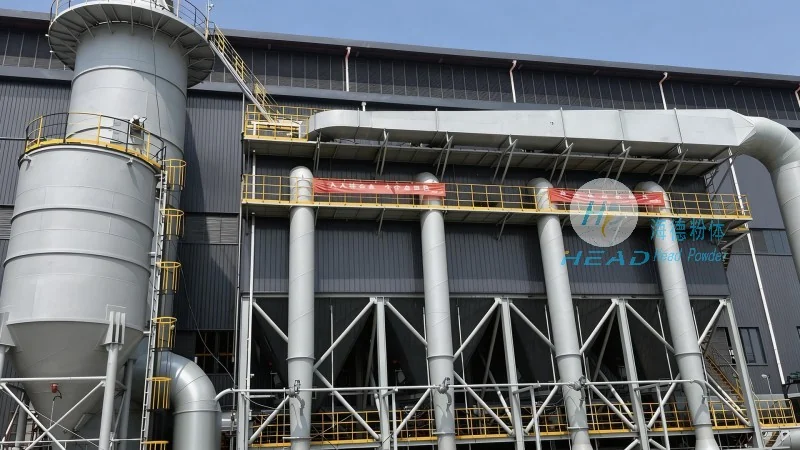
Once the material is introduced into the conveying line, compressed air is introduced at a specific pressure and flow rate. The air creates a low-pressure zone within the pipe, which draws the joint compound particles into the airflow. This combination of air and material forms a dense mixture known as a "pneumatic stream." The stream travels through the pipeline to the discharge point, where it is collected in a receiver or directly applied to the work surface. The control system, which may include sensors and valves, monitors the pressure, flow, and material level to maintain optimal operation and prevent blockages or overloading.
The operation process of the joint compound pneumatic conveying machine involves several steps that ensure smooth and continuous material transport. First, the system is started by activating the compressed air supply and the feeder mechanism. The hopper is filled with joint compound, and the rotary valve is set to the desired flow rate. As the system operates, the feeder continuously releases material into the conveying line, while the compressed air maintains the flow. The material is carried through the pipeline by the air current, reaching the discharge point where it is deposited or used for application. The control system continuously adjusts the air pressure and flow rate as needed to maintain the material's velocity and prevent settling or clogging in the pipe.
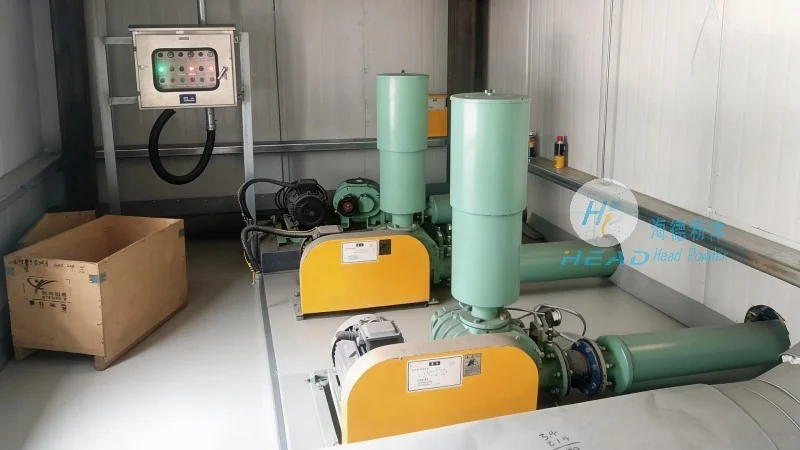
Key features of the joint compound pneumatic conveying machine include its ability to handle fine powders without the need for mechanical components that might cause wear or contamination. The system is designed to minimize dust generation and ensure a clean working environment, which is essential in construction and finishing applications. Additionally, the machine's modular design allows for easy integration into existing material handling systems, making it a versatile solution for various project sizes and requirements.
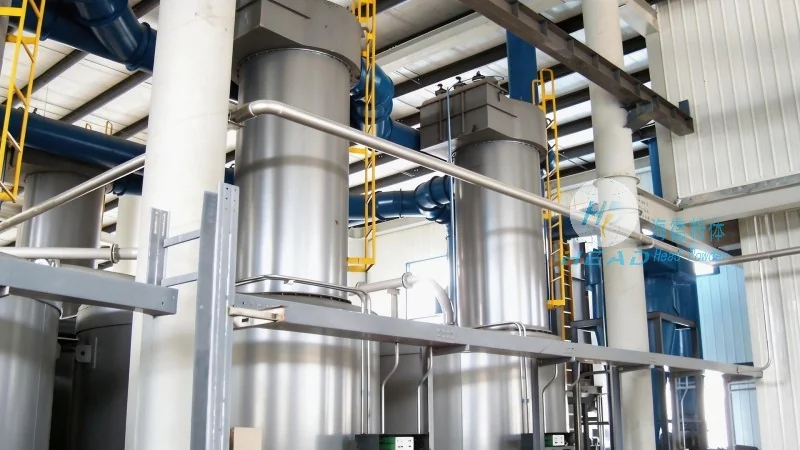
HeadPowder's commitment to quality and performance is evident in the design and construction of their joint compound pneumatic conveying machines. The equipment is built with durable materials and advanced technology to ensure long-term reliability and minimal maintenance. The company's engineering team continuously optimizes the systems to improve efficiency, reduce energy consumption, and enhance user experience. By leveraging their expertise in material handling, HeadPowder provides solutions that meet the specific needs of construction professionals, ensuring that joint compound is transported safely and efficiently from storage to the work site.
In conclusion, the joint compound pneumatic conveying machine is a critical piece of equipment for efficient material handling in construction and finishing projects. Through its working principle of using compressed air to transport dry powders and its systematic operation process, the machine ensures consistent and reliable delivery of joint compound. HeadPowder's engineering solutions, based in Shandong, China, offer advanced and reliable systems that contribute to improved productivity and quality in construction applications. For professionals seeking a dependable solution for joint compound transport, the pneumatic conveying machine from HeadPowder represents a superior choice.




