Rubber granule pneumatic conveying systems are essential in industrial applications for efficiently transporting rubber granules from one location to another. These systems utilize air or gas as the conveying medium to move the material, offering advantages such as reduced labor costs, improved safety, and the ability to handle materials in environments where traditional methods may be impractical. The classification and composition of these systems are critical for understanding their functionality and selecting the appropriate system for specific industrial needs. Shandong HeadPowder Engineering Co., Ltd. specializes in designing and manufacturing such systems, providing tailored solutions for various industrial applications.
Classification of Rubber Granule Pneumatic Conveying Systems
Rubber granule pneumatic conveying systems can be classified based on several key factors, including the conveying principle, pressure level, and application requirements. The primary classifications include:
- Positive Pressure Systems: These systems use a blower or fan to generate positive pressure, pushing the rubber granules through the conveying line. They are suitable for short to medium distances and can handle a wide range of particle sizes.
- Negative Pressure (Vacuum) Systems: These systems create a vacuum to draw rubber granules into the conveying line. They are ideal for applications requiring material to be moved from multiple sources or over longer distances, often in enclosed environments.
- Combined Pressure and Vacuum Systems: These systems use both positive and negative pressure components to optimize conveying efficiency, particularly for complex layouts or varying material flow rates.
Each classification has distinct advantages and is chosen based on the specific operational conditions and material characteristics. For instance, positive pressure systems are commonly used in applications where the material is to be discharged directly into a processing unit, while negative pressure systems are preferred for handling dust or fine particles to minimize environmental impact.
Key Components of Rubber Granule Pneumatic Conveying Systems
The composition of a rubber granule pneumatic conveying system involves several critical components, each playing a vital role in the overall operation. The main components include:
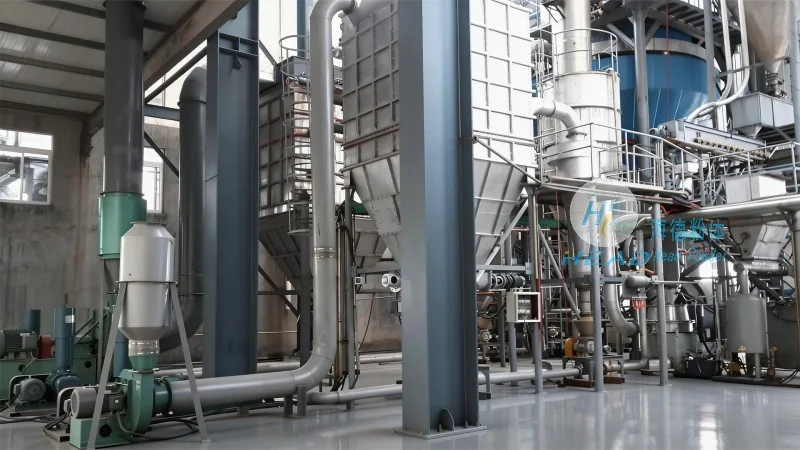
- Conveying Pipeline: The pipeline is typically made of durable materials such as stainless steel or PVC to withstand the abrasive nature of rubber granules and the pressure or vacuum conditions. The design of the pipeline, including bends and fittings, is crucial for maintaining material flow and minimizing pressure drop.
- Air or Gas Source (Blower/Fan): This component generates the necessary pressure or vacuum to move the rubber granules. The choice of blower or fan depends on the system classification and the required flow rate. High-efficiency models are preferred to ensure energy savings and consistent performance.
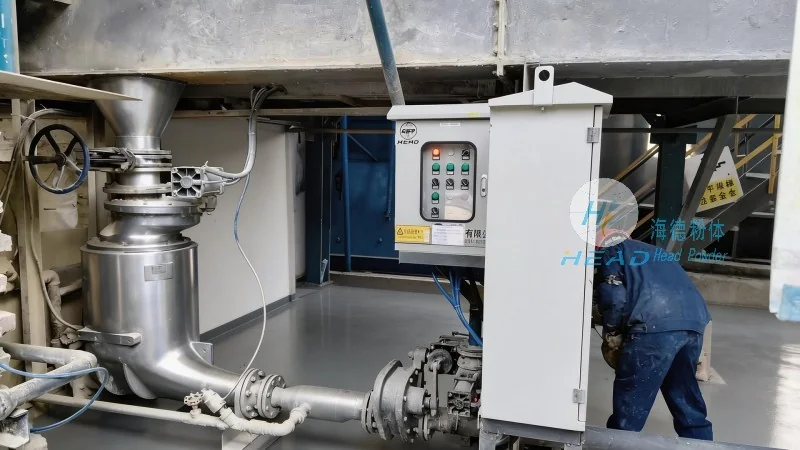
- Material Feeders: Feeders are used to introduce rubber granules into the conveying line at a controlled rate. Types include rotary valves, screw feeders, and vibratory feeders, each suited to different material properties and flow rates. Proper feeding is essential to prevent blockages and ensure smooth operation.
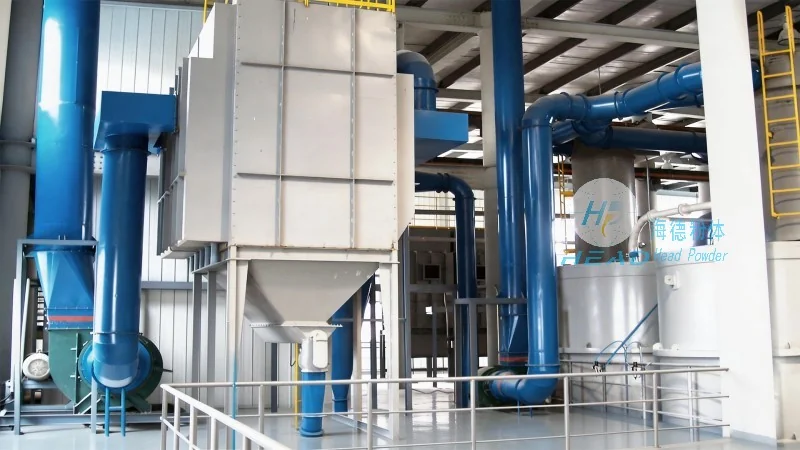
- Separation and Collection Equipment: This includes cyclones, filters, and dust collectors that separate the rubber granules from the conveying air. The collected material is then discharged into a storage or processing container. The efficiency of these components is critical for maintaining air quality and preventing material loss.
- Control Systems: Modern rubber granule pneumatic conveying systems often incorporate advanced control systems that monitor and regulate the operation. These systems may include sensors for pressure, flow, and level, as well as programmable logic controllers (PLCs) to automate the process and ensure consistent performance.
Each component must be carefully selected and integrated to ensure the system operates efficiently and reliably. For example, the choice of pipeline material and diameter directly impacts the pressure drop and overall energy consumption, while the feeder design affects the uniformity of material flow and the risk of blockages.
Application Considerations for Rubber Granule Pneumatic Conveying Systems
The effectiveness of a rubber granule pneumatic conveying system depends on several application-specific factors. These include the particle size and density of the rubber granules, the distance and layout of the conveying path, and the environmental conditions. For instance, larger or denser particles may require higher pressure or more robust pipeline systems to maintain flow. Similarly, complex layouts with multiple bends or vertical lifts may necessitate additional components, such as in-line mixers or pulse jets, to prevent material settling or blockages.
Additionally, the system must be designed to handle variations in material flow rates, such as during start-up or shutdown procedures. This may involve incorporating surge hoppers or buffer tanks to store excess material and maintain consistent pressure. Proper maintenance of the system components, including regular cleaning of filters and checking for wear in the pipeline, is also essential to ensure long-term performance and minimize downtime.




