HeadPowder, a leading manufacturer based in Shandong, China, specializes in the design and production of gypsum sand pneumatic conveying systems. These systems are essential for efficiently transporting gypsum sand, a key material in construction and industrial applications. Understanding the classification and composition of such systems is crucial for selecting the right equipment for specific operational needs.
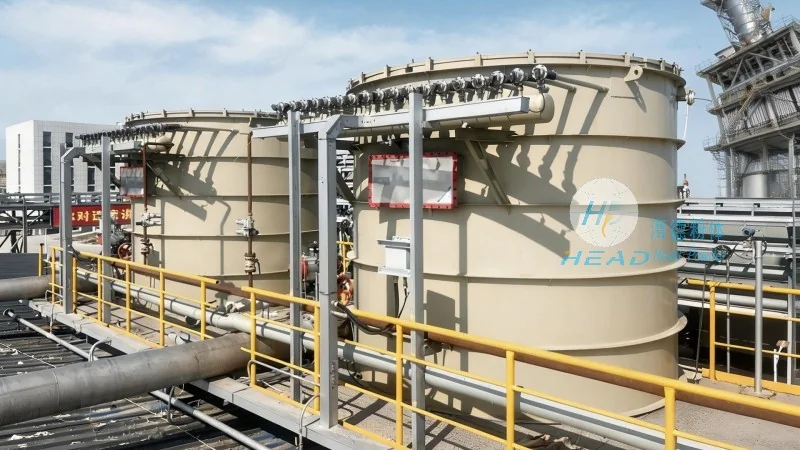
Classification of Gypsum Sand Pneumatic Conveying Systems
Gypsum sand pneumatic conveying systems can be broadly classified based on the pressure within the conveying line. The primary categories include positive pressure systems and negative pressure systems. Each type has distinct characteristics and is suitable for different scenarios.
Positive Pressure Pneumatic Conveying Systems
Positive pressure systems operate by blowing air or gas into the conveying line, creating a pressure higher than the ambient air pressure. This method is commonly used for short to medium-distance transport and is ideal for applications where dust control is a priority. The system typically includes a blower, a feeding hopper, and a conveying pipeline. The blower supplies the necessary air pressure to move the gypsum sand particles through the system. The feeding hopper ensures a consistent flow of material into the pipeline, preventing blockages and maintaining system efficiency. The conveying pipeline is designed to handle the pressure and flow requirements, with appropriate diameters and materials to prevent wear and tear from the abrasive gypsum sand.
Negative Pressure Pneumatic Conveying Systems
Negative pressure systems, also known as vacuum systems, operate by creating a vacuum in the conveying line, drawing the material and air mixture into the system. This approach is suitable for longer distances and applications where the material needs to be transported from multiple points. The system comprises a vacuum pump, a collection hopper, and a suction pipeline. The vacuum pump generates the negative pressure required to draw the gypsum sand particles into the pipeline. The collection hopper collects the material as it is drawn in, ensuring that the system can handle varying feed rates. The suction pipeline is designed to maintain the vacuum and efficiently transport the material, with features such as filters to prevent dust from escaping.
Other Classification Criteria
Beyond pressure type, systems can also be classified based on the conveying method, such as dilute phase and dense phase. Dilute phase systems use high air velocity to keep the material in suspension, suitable for fine powders like gypsum sand. Dense phase systems, on the other hand, use lower air velocity and higher material concentration, which is beneficial for handling abrasive or sticky materials. The choice between dilute and dense phase depends on the specific properties of the gypsum sand and the required transport distance and efficiency.
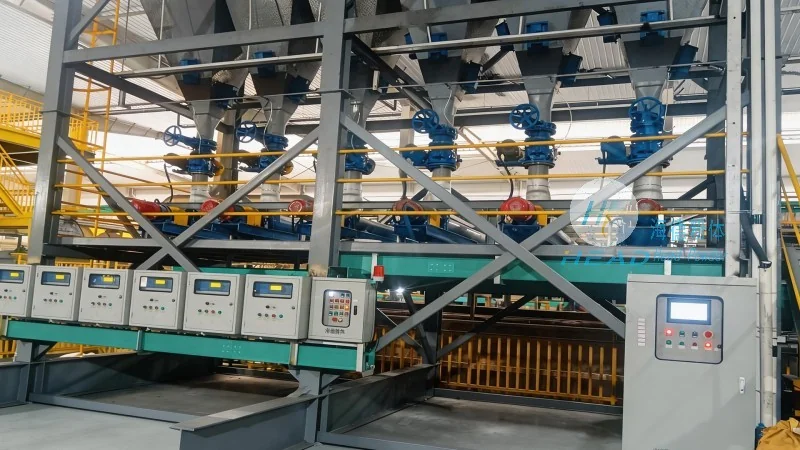
Key Components of Gypsum Sand Pneumatic Conveying Systems
Regardless of the classification, gypsum sand pneumatic conveying systems share common components that work together to ensure efficient operation. These components include the feeding device, conveying pipeline, separation equipment, and control system.
Feeding Device
The feeding device is responsible for introducing the gypsum sand into the conveying system. It can be a rotary valve, a star feeder, or a screw feeder, depending on the system design. The rotary valve is commonly used for positive pressure systems, as it can handle high-pressure air and maintain a consistent feed rate. The star feeder is suitable for negative pressure systems, as it can handle low-pressure conditions and prevent material from escaping. The screw feeder is used for systems that require a continuous and controlled feed, ensuring that the material is conveyed at a steady rate without interruptions.
Conveying Pipeline
The conveying pipeline is the main component that transports the gypsum sand from the feeding point to the discharge point. It is typically made of stainless steel or other corrosion-resistant materials to withstand the abrasive nature of gypsum sand. The pipeline diameter and length are critical factors that affect the system's performance. A larger diameter reduces friction losses and increases the conveying capacity, while a longer pipeline may require additional blower power or vacuum pump capacity. The pipeline is also equipped with bends and elbows to change the direction of the material flow, and these components are designed to minimize pressure drop and maintain the material's suspension.
Separation Equipment
Separation equipment is used to separate the gypsum sand from the air after it has been transported. This is essential to prevent dust contamination and ensure the material is clean and free from air. The most common separation equipment is a cyclone separator, which uses centrifugal force to separate the particles from the air. The cyclone separator consists of a cylindrical housing with a conical bottom, where the air and material mixture enters at a high velocity. The centrifugal force causes the heavier gypsum sand particles to move to the outer wall of the cylinder and fall into the collection hopper. The air, now relatively clean, exits through the top of the cyclone. Other separation methods include bag filters and electrostatic precipitators, which are used for more stringent dust control requirements.
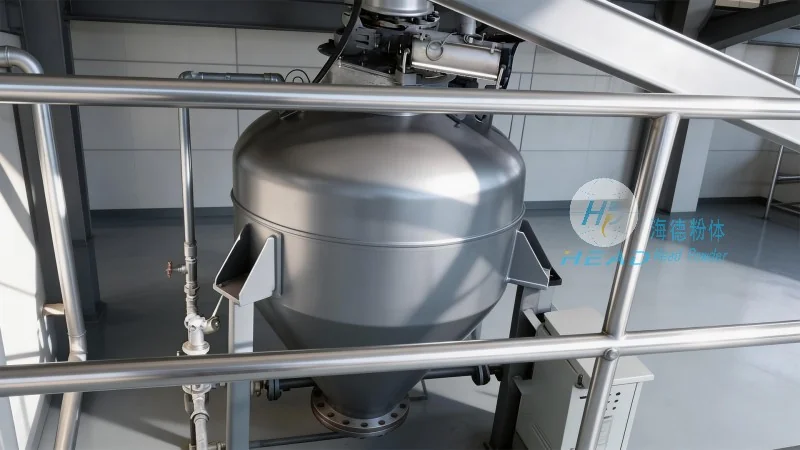
Control System
The control system manages the operation of the pneumatic conveying system, ensuring that it runs efficiently and safely. It includes sensors, controllers, and valves that monitor and adjust the system's parameters. The sensors detect the pressure, flow rate, and temperature of the system, providing real-time data to the controller. The controller then adjusts the blower speed or vacuum pump capacity to maintain the desired conveying rate. The valves control the flow of air and material, preventing backflow and ensuring that the system operates smoothly. The control system also includes safety features, such as pressure relief valves and emergency shut-off switches, to protect the equipment and personnel from potential hazards.
Applications of Gypsum Sand Pneumatic Conveying Systems
Gypsum sand pneumatic conveying systems are widely used in various industries, including construction, mining, and chemical processing. In the construction industry, these systems are used to transport gypsum sand for wallboard production, plastering, and other applications. The systems are also used in mining operations to transport raw gypsum from the mine to processing facilities. In the chemical industry, they are used to convey gypsum sand in the production of gypsum products, such as drywall and plaster. The efficiency and reliability of these systems make them a preferred choice for handling gypsum sand in industrial settings.
Advantages of Gypsum Sand Pneumatic Conveying Systems
There are several advantages to using gypsum sand pneumatic conveying systems. One of the main advantages is the ability to transport material over long distances without the need for intermediate storage or handling. This reduces the risk of material contamination and improves overall efficiency. Another advantage is the reduced labor costs, as the system can operate automatically with minimal human intervention. The systems also offer better dust control compared to traditional methods, such as bucket elevators or belt conveyors, which helps in maintaining a clean and safe working environment. Additionally, the systems are flexible and can be easily modified to accommodate changes in production requirements, making them a cost-effective solution for industrial applications.
Conclusion
Gypsum sand pneumatic conveying systems are an essential part of modern industrial operations, providing efficient and reliable transport of gypsum sand. Understanding the classification and composition of these systems is crucial for selecting the right equipment for specific applications. With the right components and design, these systems can significantly improve operational efficiency and reduce costs. HeadPowder, with its expertise in the field, offers high-quality pneumatic conveying systems that meet the diverse needs of its clients in Shandong and beyond.




