For industrial applications requiring efficient and precise material handling, automatic bulk material pneumatic conveying systems offer a reliable solution. These systems are designed to transport dry bulk materials such as powders, granules, and small particles from one location to another using air as the conveying medium. The technology has evolved significantly over the years, and modern systems incorporate advanced automation and control features to enhance performance and operational efficiency. This article provides an in-depth look at the operation process and working principle of such equipment, highlighting key components, operational steps, and the benefits of using automated pneumatic conveying solutions.
Key Components of the Pneumatic Conveying System
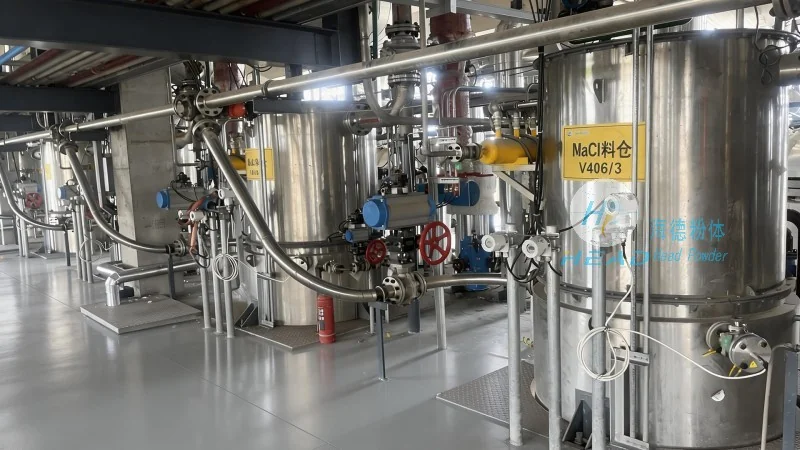
The automatic bulk material pneumatic conveying system consists of several critical components that work in tandem to ensure smooth and efficient material transport. These components include the hopper or feeder for material storage and feeding, the conveying line (usually a pipe), the air supply system (blower or compressor), and the control unit. The hopper is typically equipped with a rotary valve or feeder to regulate the flow of material into the conveying line. The air supply system generates the necessary pressure or vacuum to move the material through the pipe. The control unit monitors and adjusts the system parameters to maintain optimal performance. Each component plays a vital role in the overall operation, and their proper integration is essential for the system to function effectively.
Operation Process of the Automatic Pneumatic Conveying System
The operation of an automatic bulk material pneumatic conveying system involves a series of steps that ensure the material is transported from the source to the destination with minimal loss and maximum efficiency. The process typically begins with the material being fed into the hopper from a storage silo or container. The rotary valve or feeder then controls the flow rate of the material into the conveying line. Simultaneously, the air supply system generates the required air pressure or vacuum. The material is then entrained by the air stream and carried through the pipe to the discharge point. At the destination, the material is released from the conveying line, often through a rotary valve or a dust collector to capture any fine particles. The control unit continuously monitors the system, adjusting the air flow and material feed rate as needed to maintain a stable and consistent conveying process. This automated process eliminates the need for manual intervention, reducing labor costs and improving operational safety.
Working Principle of Pneumatic Conveying
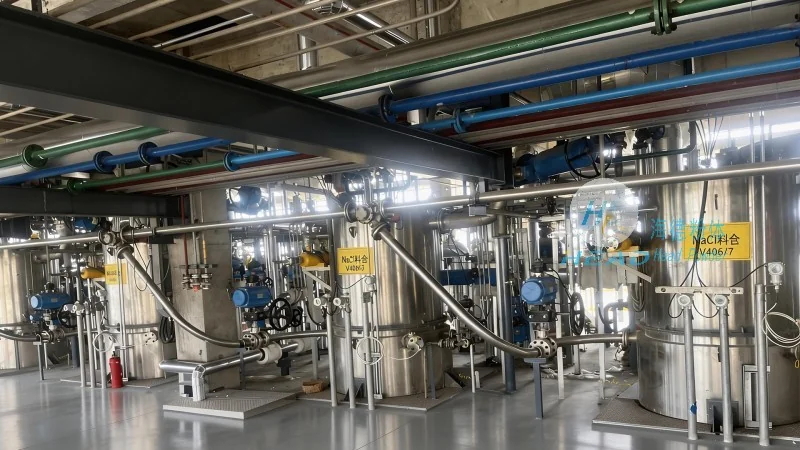
The working principle of a pneumatic conveying system is based on the physical principle of fluidization and particle transport. When air is introduced into the conveying line at a sufficient velocity, it creates a flow that can carry the material particles along with it. The key is to maintain the air velocity above the minimum conveying velocity required to keep the particles suspended and moving. The system can operate in either positive pressure or negative pressure (vacuum) modes. In positive pressure systems, air is forced into the conveying line, pushing the material forward. In negative pressure systems, air is drawn out of the line, creating a vacuum that pulls the material. The choice of system depends on the application, material characteristics, and distance to be covered. The working principle ensures that the material is transported efficiently with minimal degradation, making it suitable for a wide range of industrial applications.
Benefits of Using Automatic Pneumatic Conveying Equipment
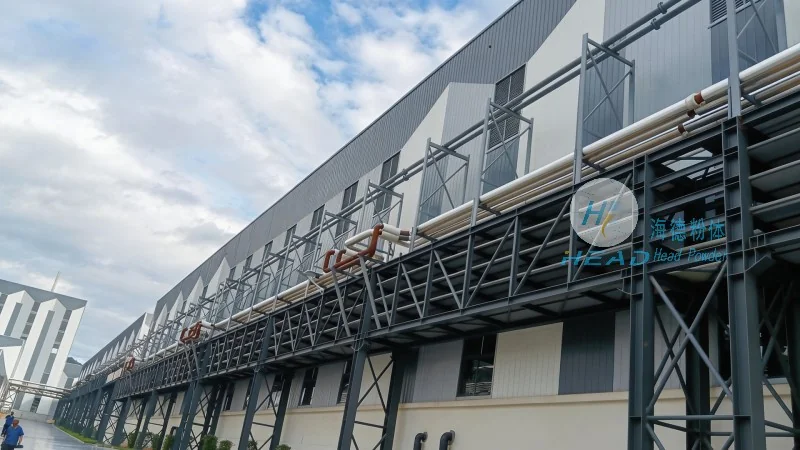
Automatic bulk material pneumatic conveying systems offer numerous benefits that make them a preferred choice for many industries. One of the primary advantages is the ability to handle a wide variety of materials, including powders, granules, and fine particles, without the need for additional equipment like conveyor belts or buckets. This reduces the risk of material contamination and degradation. Another benefit is the high degree of automation, which minimizes labor requirements and improves operational safety. The systems are also highly flexible, allowing for easy integration into existing production lines and the ability to transport materials over long distances with minimal energy consumption. Additionally, the enclosed system design helps to contain dust and prevent environmental contamination, making it a more environmentally friendly option compared to traditional open conveying methods. These benefits make automatic pneumatic conveying equipment an ideal solution for industries such as food processing, pharmaceuticals, chemicals, and mining.
Application Examples and Case Studies
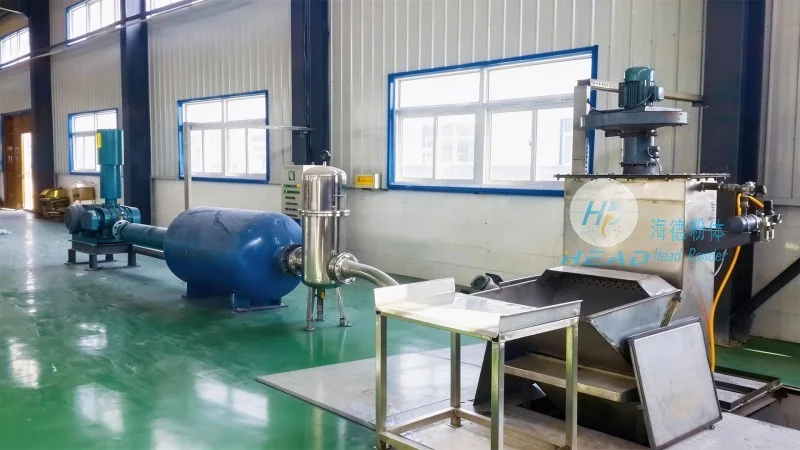
Automatic bulk material pneumatic conveying systems are widely used in various industrial sectors. For example, in the food industry, these systems are used to transport ingredients like flour, sugar, and spices from storage to production lines. In the pharmaceutical industry, they are used to handle powders and granules with high purity requirements, ensuring that the materials remain uncontaminated. In the chemical industry, they are used to transport raw materials and finished products, often in hazardous environments. A case study from a food processing plant in China demonstrates the effectiveness of such a system. The plant installed an automatic pneumatic conveying system to transport flour from storage silos to the production line. The system reduced material handling time by 40% and improved product quality by minimizing dust and contamination. Similarly, a pharmaceutical company in Shandong, China, implemented a similar system to transport active pharmaceutical ingredients (APIs), achieving a 30% increase in production efficiency and maintaining strict quality control standards. These examples highlight the practical benefits and reliability of automatic bulk material pneumatic conveying equipment in real-world applications.
Conclusion and Company Information
Automatic bulk material pneumatic conveying equipment is a critical component in modern industrial material handling systems. The operation process and working principle of these systems are designed to provide efficient, reliable, and safe transport of dry bulk materials. By integrating advanced automation and control features, these systems offer significant advantages over traditional conveying methods, including reduced labor costs, improved product quality, and enhanced operational flexibility. For industries seeking to optimize their material handling processes, investing in an automatic pneumatic conveying system is a strategic decision that can lead to long-term operational efficiency and cost savings. As a leading manufacturer in this field, Shandong HeadPowder Engineering Co., Ltd. specializes in providing high-quality, customized pneumatic conveying solutions tailored to the specific needs of each client. With a focus on innovation and customer satisfaction, HeadPowder has established itself as a trusted partner in the industry, delivering reliable equipment and expert support to clients in China and beyond. The company’s headquarters is located in Shandong, China, and it continues to lead the way in the development of advanced material handling technologies.




