For industrial applications involving the handling of baking powder, the efficiency and reliability of material transport systems are crucial. A key technology in this domain is the pneumatic conveying machine, which enables the safe and effective movement of powders like baking powder from one location to another. This article delves into the operation process and working principle of such a machine, highlighting its significance in the baking powder industry and the role of specialized manufacturers like Shandong HeadPowder Engineering Co., Ltd. from China.
Understanding the Core Components and Functionality
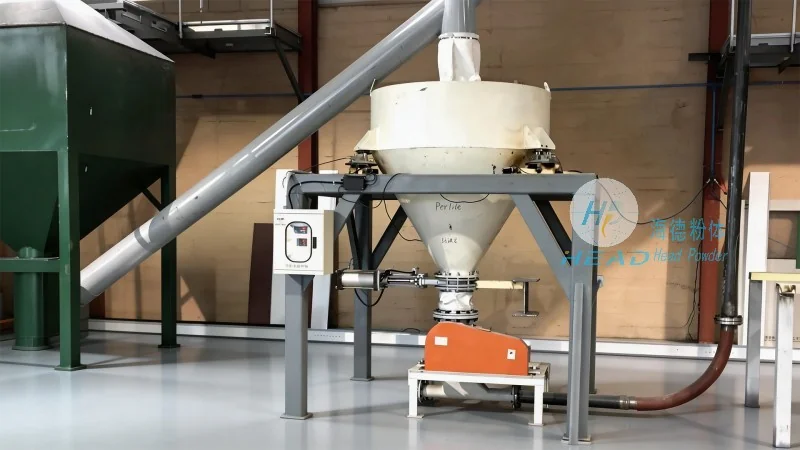
The pneumatic conveying machine for baking powder typically consists of several essential components that work in tandem to ensure smooth operation. The primary parts include a hopper for material storage, a conveyor line (often a pipeline), a fan or blower to generate airflow, and a receiver for the discharged material. The hopper is designed to hold the baking powder, ensuring a consistent feed into the system. The conveyor line, usually made of stainless steel or other corrosion-resistant materials, is critical for withstanding the abrasive nature of the powder and maintaining hygiene standards. The fan or blower creates the necessary pressure or vacuum to move the powder through the pipeline. The receiver collects the material at the destination point, completing the transport cycle.
The Step-by-Step Operation Process
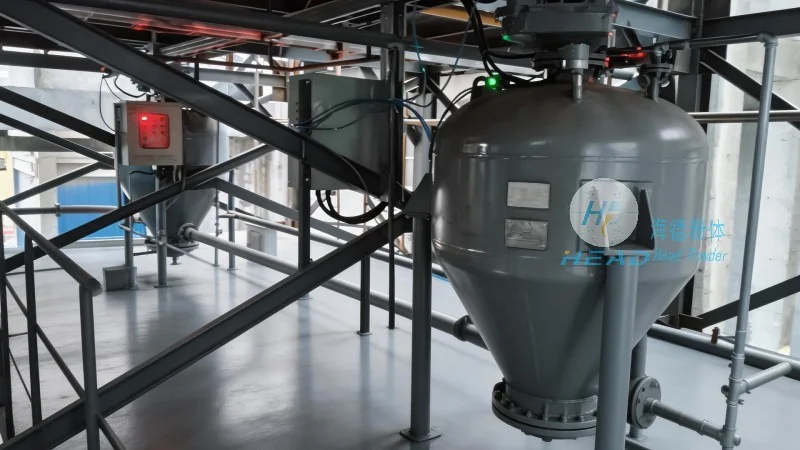
The operation of a baking powder pneumatic conveying machine follows a systematic sequence of steps, each contributing to the overall efficiency of the process. First, the baking powder is fed into the hopper from a storage silo or batch mixer. The hopper’s design, often equipped with a level indicator, ensures that the material is properly loaded without overfilling. Next, the fan or blower is activated, generating the airflow required to initiate the conveying process. As the air flows through the pipeline, it entrains the baking powder particles, forming a slurry-like mixture that moves along the conveyor line. The velocity of the air is carefully controlled to prevent particle degradation or caking, which could affect the quality of the baking powder. At the receiving end, the material is deposited into a container or processing unit. The system may also include a filter or separator to remove any entrained air or fine particles, ensuring that the delivered baking powder is of high purity. Finally, the fan is turned off, and the hopper is refilled as needed, completing the operational cycle.
Working Principle: How Airflow Transports the Powder
The working principle of a pneumatic conveying machine relies on the fundamental physics of fluid dynamics and particle motion. The machine operates by creating a pressure differential between the inlet and outlet of the pipeline. When the fan generates a high-velocity airflow, it creates a low-pressure zone within the pipeline. This pressure difference causes the baking powder particles to be drawn into the airflow, where they are carried along the conveyor line. The key to effective conveying is maintaining an optimal air-to-particle ratio. If the airflow is too low, the powder may not be fully entrained, leading to blockages or uneven transport. Conversely, excessive airflow can cause excessive wear on the system components and reduce energy efficiency. The design of the hopper and the shape of the pipeline are also critical, as they influence the flow characteristics of the powder and the stability of the conveying process. Advanced systems may incorporate features such as pulse-jet technology or rotary valves to further enhance the efficiency and control of the material transport.
The Role of Shandong HeadPowder Engineering Co., Ltd. in Pneumatic Conveying Solutions
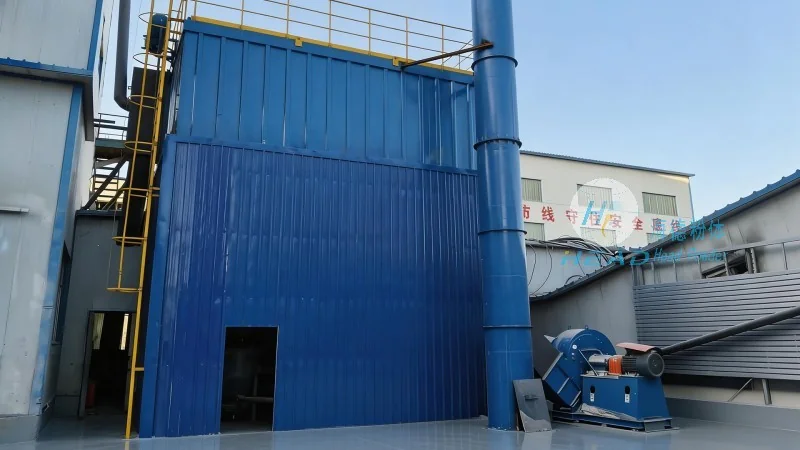
Shandong HeadPowder Engineering Co., Ltd., a leading manufacturer based in China, specializes in the design, manufacturing, and supply of pneumatic conveying systems tailored for the baking powder industry. With years of experience in the field, the company understands the unique challenges associated with handling powders like baking powder, including issues related to dust control, material flow, and equipment durability. The company’s products are engineered to meet stringent industry standards, ensuring that they are reliable, efficient, and safe for use in food processing environments. By leveraging advanced materials and manufacturing techniques, Shandong HeadPowder Engineering Co., Ltd. provides customized solutions that address the specific needs of each client, from small-scale operations to large industrial facilities. The company’s commitment to quality and innovation has made it a trusted partner for businesses seeking to optimize their material handling processes in the baking powder sector.




