Shandong HeadPowder Engineering Co., Ltd., a professional manufacturer based in Shandong, China, specializes in the design, production, and supply of advanced pneumatic conveying equipment. The company's products are tailored for applications involving bulk materials like ammonium nitrate, providing reliable and efficient solutions for industries such as chemical and fertilizer manufacturing.
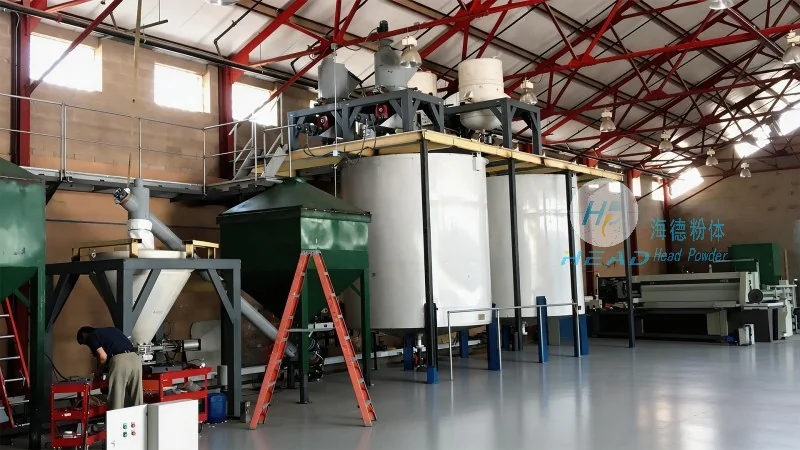
Operation Process of Ammonium Nitrate Pneumatic Conveying Machine
The operation process of an ammonium nitrate pneumatic conveying machine involves a series of coordinated steps to ensure safe and efficient material transport. Initially, the bulk ammonium nitrate is loaded into a hopper or storage silo. The material is then drawn into the conveying system by a vacuum or pressure source, depending on the system configuration. The conveying air is introduced into the pipeline, creating a flow that suspends the material particles and transports them through the system. The process includes material feeding, air supply, and discharge, with each stage carefully controlled to maintain optimal performance. The machine's control system continuously monitors parameters such as pressure, flow rate, and material level, adjusting the operation as needed to prevent blockages or inefficiencies. This systematic approach ensures consistent and reliable operation, minimizing downtime and maximizing productivity.
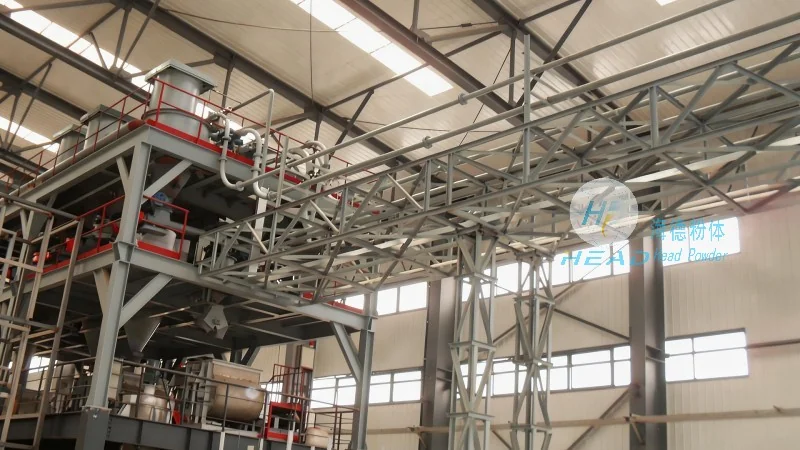
Working Principle of Ammonium Nitrate Pneumatic Conveying Machine
The working principle of a pneumatic conveying machine for ammonium nitrate is based on the movement of air to transport solid particles. There are two primary system types: pressure and vacuum. In a pressure system, a blower or compressor generates positive pressure, pushing the material through the pipeline. The material is suspended in the air stream, moving along the pipeline to the discharge point. In a vacuum system, a vacuum pump creates negative pressure, drawing the material from the source and transporting it to the destination. The air velocity and particle size are critical factors; sufficient air flow ensures the material remains suspended and prevents settling or blockages. The system also incorporates components like filters, cyclones, and separators to manage dust and ensure environmental compliance. These components help maintain air quality and protect equipment from wear, extending the machine's operational life.
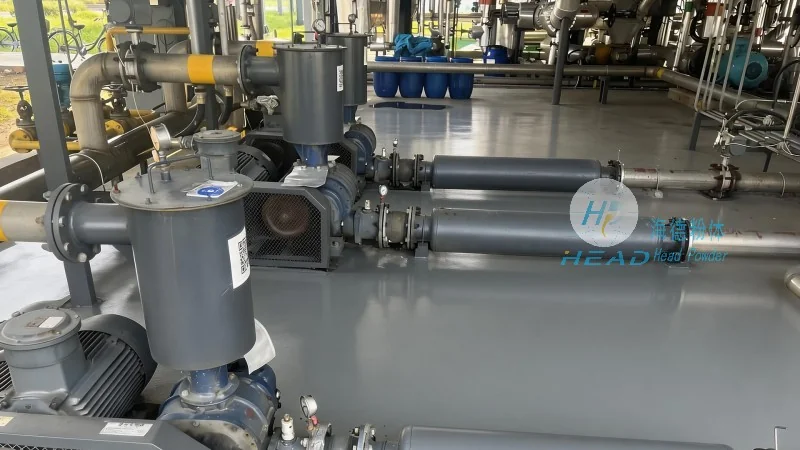
Key Components and Their Functions
Ammonium nitrate pneumatic conveying machines consist of several key components, each playing a vital role in the overall operation. The hopper or storage silo serves as the material source, holding the bulk ammonium nitrate and providing a controlled feed. The air supply unit, either a blower or vacuum pump, generates the necessary pressure or vacuum to move the material. The pipeline network transports the material and air mixture from the source to the discharge point. The discharge unit, such as a cyclone or rotary valve, separates the material from the air and directs it to the final destination. Filters and dust collectors are essential for maintaining air quality and complying with environmental regulations. The control system integrates all components, monitoring and adjusting parameters to ensure smooth operation. Each component is designed to handle the specific challenges of conveying ammonium nitrate, including its granular nature and potential for dust generation.
Advantages of Using Pneumatic Conveying for Ammonium Nitrate
Employing a pneumatic conveying machine for ammonium nitrate offers several advantages over traditional methods like belt conveyors or bucket elevators. The primary benefit is the ability to transport material in a closed system, reducing dust exposure and improving workplace safety. This is particularly important for ammonium nitrate, which can be hazardous if inhaled or come into contact with skin. Additionally, pneumatic conveying allows for flexible and space-saving installation, as the pipeline can be routed around obstacles and in confined areas. The system is also highly efficient, with minimal material loss and reduced maintenance compared to other methods. The ability to control flow rates and pressure ensures precise material delivery, meeting the specific requirements of industrial processes. Overall, the use of pneumatic conveying enhances operational safety, efficiency, and compliance with environmental standards.
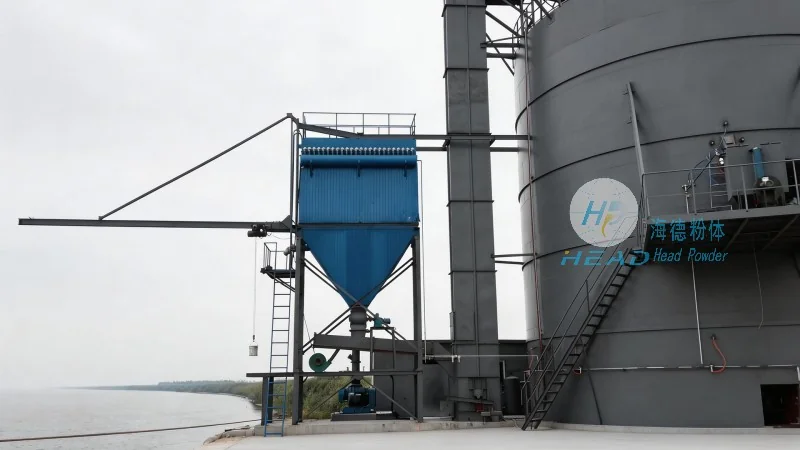
Maintenance and Safety Considerations
Maintaining an ammonium nitrate pneumatic conveying machine requires regular inspection and upkeep to ensure reliable operation. Key maintenance tasks include checking the condition of filters and dust collectors, ensuring proper air flow, and inspecting the pipeline for blockages or wear. The control system should be tested regularly to verify that all parameters are functioning correctly. Safety is a critical aspect of operation, as ammonium nitrate is a hazardous material. Proper training for operators is essential, covering procedures for handling spills, emergency shutdowns, and equipment maintenance. The machine should be equipped with safety features such as pressure relief valves and emergency stop buttons. Regular safety audits and compliance checks help ensure that the system operates within safe limits and meets regulatory requirements. By following these maintenance and safety guidelines, the machine can operate efficiently and safely, minimizing risks and maximizing its service life.




