Industrial alkali pneumatic conveying machines are essential equipment in various industrial applications, particularly in the handling and transportation of alkaline materials. The operation process and working principle of these machines are crucial for ensuring efficient and safe material transport. This article provides a detailed overview of how industrial alkali pneumatic conveying systems function, covering key components, operational steps, and the underlying principles that enable effective material handling.
Key Components of Industrial Alkali Pneumatic Conveying Systems
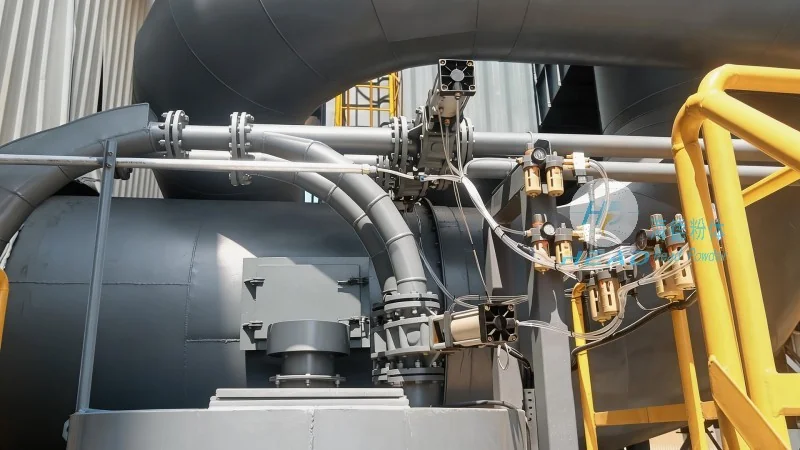
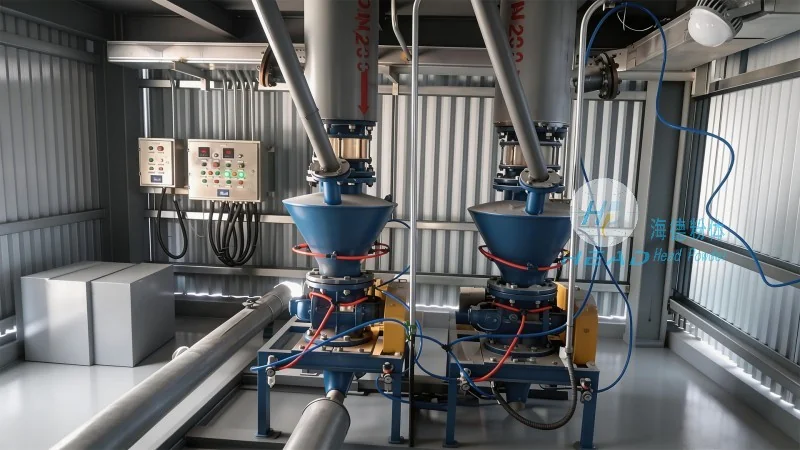
Before delving into the operation process, it is important to understand the primary components that make up an industrial alkali pneumatic conveying system. These components work in tandem to facilitate the movement of alkaline materials from the source to the destination. The main components include the material hopper, feeder, air compressor, conveying line, and receiver. Each component plays a vital role in the overall system performance. The material hopper stores the alkali material and provides a consistent feed to the feeder. The feeder, typically a rotary or vibratory type, controls the flow rate of the material into the conveying line. The air compressor generates the necessary air pressure to create the airflow that propels the material through the system. The conveying line, often made of stainless steel or other corrosion-resistant materials, ensures the material is transported without degradation. Finally, the receiver collects the conveyed material and discharges it as needed.
Working Principle of Industrial Alkali Pneumatic Conveying
The working principle of industrial alkali pneumatic conveying machines is based on the principle of fluidization and pneumatic transport. When air is introduced into the conveying line at a high velocity, it creates a stream that can lift and transport the solid particles of the alkali material. This process is known as pneumatic conveying. The air flow, combined with the material feed from the hopper and feeder, forms a dense phase or dilute phase conveying system, depending on the operational conditions. In dense phase conveying, the material is transported in a slurry-like state, which reduces particle breakage and improves material integrity. In dilute phase conveying, the material is transported as individual particles suspended in the air stream. The choice between these two modes depends on the material characteristics, such as particle size, moisture content, and abrasiveness. For industrial alkali materials, which often have high corrosiveness and abrasive properties, dense phase conveying is commonly preferred to minimize material degradation and equipment wear.
Operation Process of Industrial Alkali Pneumatic Conveying
The operation process of an industrial alkali pneumatic conveying system involves several sequential steps. First, the alkali material is loaded into the material hopper. The hopper is designed to maintain a consistent material level, ensuring a steady feed to the feeder. Next, the feeder is activated to control the flow rate of the material into the conveying line. Simultaneously, the air compressor is started, generating the required air pressure and flow rate. The air is then introduced into the conveying line, creating a high-velocity stream that lifts the material particles. As the material moves through the line, it is transported to the receiver. The receiver is equipped with a discharge valve that allows the material to be discharged as needed. Throughout the operation, the system monitors parameters such as air pressure, flow rate, and material level to ensure optimal performance. Regular maintenance, including cleaning the conveying line and checking the air compressor, is essential to prevent blockages and maintain system efficiency.
Benefits and Applications of Industrial Alkali Pneumatic Conveying
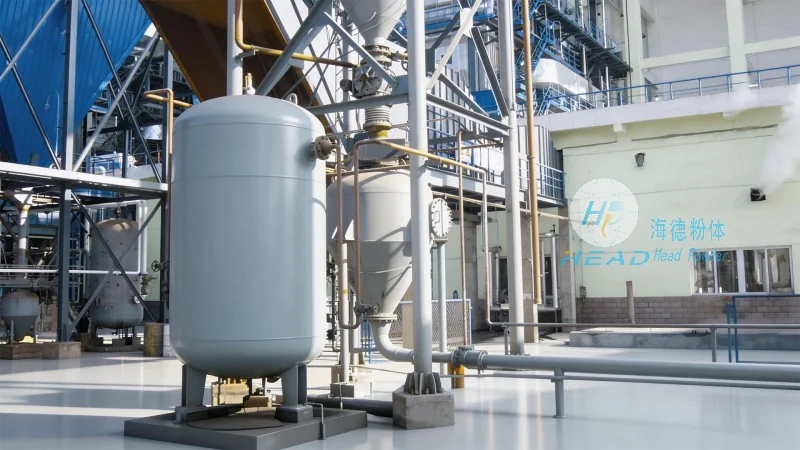
Industrial alkali pneumatic conveying machines offer several advantages over traditional material handling methods. These include reduced labor costs, improved safety by minimizing manual handling of hazardous materials, and increased efficiency in material transport. The system is particularly suitable for handling alkaline materials such as caustic soda, lime, and other chemicals used in industries like chemical manufacturing, food processing, and pharmaceuticals. The ability to transport these materials in a closed system also helps in controlling dust and fumes, which is crucial for maintaining a safe working environment. Additionally, the flexibility of pneumatic conveying allows for easy integration with other processing equipment, such as reactors and mixers, enhancing overall production efficiency.
Conclusion
In conclusion, industrial alkali pneumatic conveying machines are sophisticated equipment that efficiently handle and transport alkaline materials. The operation process, which involves the coordinated action of various components, is based on the principles of pneumatic transport and fluidization. By understanding the key components, working principles, and operation process, users can optimize the performance of these systems for their specific industrial needs. The company, Shandong HeadPowder Engineering Co., Ltd., based in China, specializes in designing and manufacturing such industrial alkali pneumatic conveying systems, providing reliable solutions for material handling in various industries. With a focus on quality and efficiency, HeadPowder ensures that their equipment meets the stringent requirements of industrial applications, contributing to improved productivity and safety in material handling operations.




