HeadPowder, a leading engineering company based in Shandong, China, specializes in the design, manufacturing, and installation of advanced pneumatic conveying systems for various industrial applications. This article provides a detailed overview of the operation process and working principle of magnesium oxide pneumatic conveying lines, highlighting the key components, operational steps, and technical considerations that ensure efficient and reliable material handling.
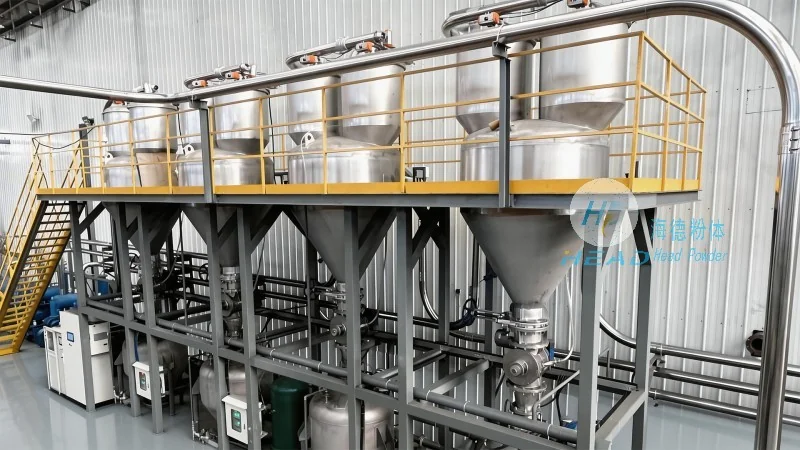
Key Components of the Pneumatic Conveying System
The magnesium oxide pneumatic conveying line typically consists of several critical components that work in tandem to transport the material from the source to the destination. These components include the material hopper, rotary valve, air compressor, conveying pipeline, and receiver. Each component plays a vital role in the overall system performance and efficiency.
Working Principle of the Pneumatic Conveying Process
The operation of the magnesium oxide pneumatic conveying line is based on the principle of air flow and pressure differentials. The process begins with the material being fed into the hopper from a storage silo or bulk container. The rotary valve then controls the flow of magnesium oxide into the conveying pipeline, ensuring a consistent and controlled feed rate. Simultaneously, the air compressor generates high-pressure air, which is introduced into the pipeline. As the air flows through the pipeline, it creates a negative pressure zone that draws the material particles into the air stream. The mixture of air and material travels through the pipeline to the receiver, where the material is separated from the air and collected.
Operation Process: Step-by-Step Guide
The operational process of the magnesium oxide pneumatic conveying line involves several sequential steps that ensure smooth and continuous material transport. The following steps outline the typical workflow:
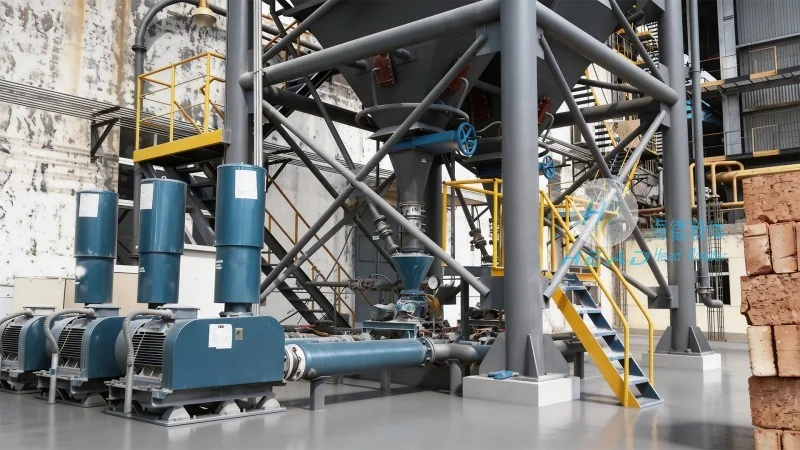
1. **Material Loading**: The magnesium oxide is loaded into the material hopper from the storage facility. The hopper is equipped with a level indicator to monitor the material volume and prevent overfilling.
2. **Air Compression**: The air compressor is started and operates at a predetermined pressure and flow rate. The compressor provides the necessary air volume to create the required pressure differential for conveying.
3. **Material Feeding**: The rotary valve is activated, allowing the magnesium oxide to enter the conveying pipeline. The valve controls the feed rate, which can be adjusted based on the required throughput and system pressure.
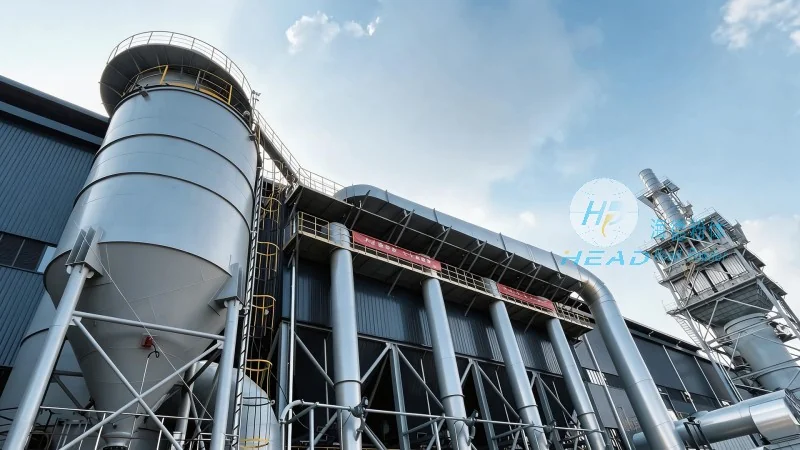
4. **Conveying Phase**: The high-pressure air from the compressor is introduced into the pipeline, creating a positive pressure zone that propels the material forward. The air flow rate and pressure are optimized to maintain the material in a suspended state, preventing blockages and ensuring uniform transport.
5. **Material Separation**: At the receiver end, the air and material mixture enters a cyclone separator or a bag filter. The separator uses centrifugal force to separate the material from the air, allowing the material to be collected in the receiver and the air to be discharged or recirculated.
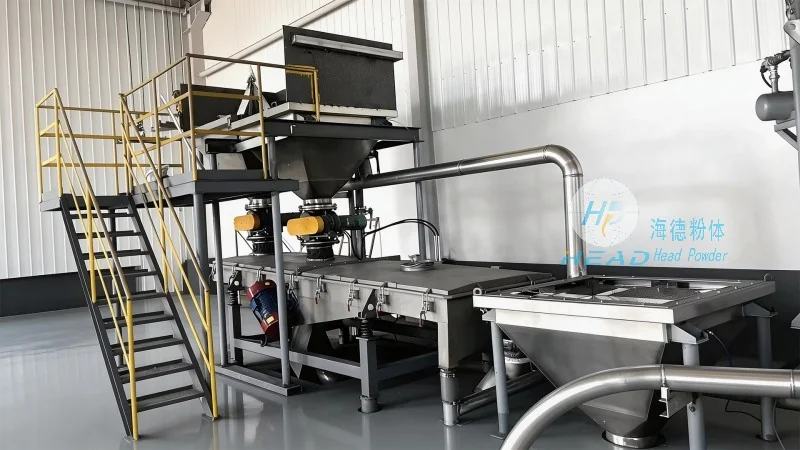
6. **System Monitoring and Control**: The entire system is equipped with sensors and control panels that monitor parameters such as pressure, flow rate, and material level. These controls allow for real-time adjustments to maintain optimal operation and prevent system failures.
Technical Considerations for Efficient Operation
Several technical factors are crucial for the efficient and reliable operation of the magnesium oxide pneumatic conveying line. These include the selection of appropriate air velocity, pipeline diameter, and material properties. The air velocity must be high enough to keep the material suspended but not so high as to cause excessive wear on the pipeline or components. The pipeline diameter is selected based on the material flow rate and the required pressure drop. Additionally, the material's particle size, density, and moisture content affect the conveying performance and may require adjustments to the system parameters.
Benefits of Using Magnesium Oxide Pneumatic Conveying Lines
Implementing a pneumatic conveying system for magnesium oxide offers several advantages over traditional methods such as belt conveyors or bucket elevators. These benefits include reduced labor costs, minimized material contamination, and improved safety. The enclosed system prevents dust emissions, which is particularly important for handling magnesium oxide, as it can be a respiratory irritant. Additionally, the system allows for flexible routing of the material, enabling easy integration with existing production lines and facilities.




