For industrial applications involving hygroscopic sodium nitrate, efficient and reliable material handling is crucial. The hygroscopic sodium nitrate pneumatic conveying system equipment is a specialized solution designed to transport this sensitive chemical safely and effectively. This article explores the functionality and design principles of such systems, highlighting the key components and operational mechanisms that make them suitable for handling hygroscopic sodium nitrate.
Introduction to Hygroscopic Sodium Nitrate Pneumatic Conveying Systems
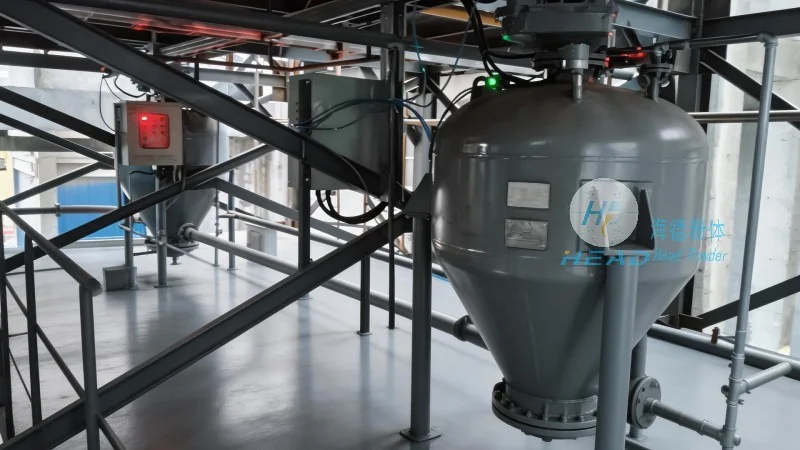
Hygroscopic sodium nitrate is a chemical compound that readily absorbs moisture from the air, which can affect its physical properties and handling characteristics. Traditional bulk material handling methods may not be suitable for this substance due to its moisture sensitivity and potential for caking or clumping. The hygroscopic sodium nitrate pneumatic conveying system addresses these challenges by using air as the conveying medium to transport the material from one location to another without direct contact with external moisture sources.
Key Components of the Pneumatic Conveying System
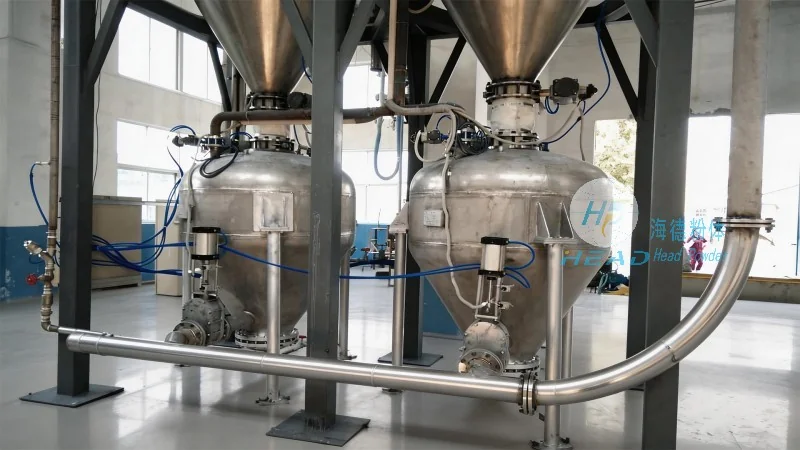
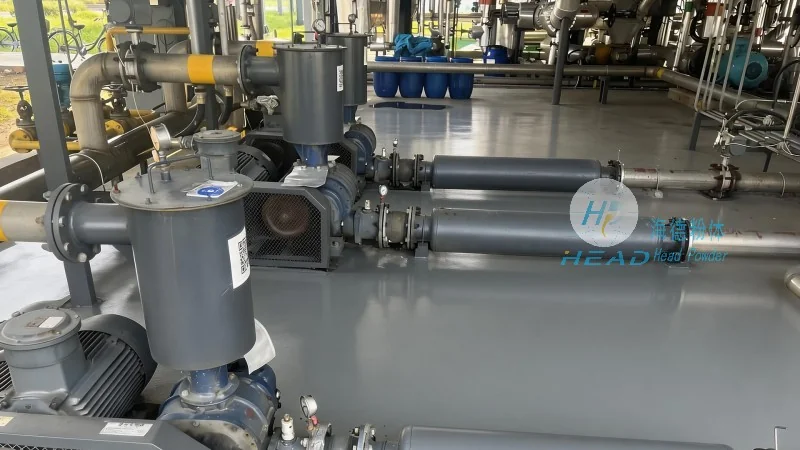
The hygroscopic sodium nitrate pneumatic conveying system typically consists of several core components that work in tandem to ensure efficient material transport. These components include a material feed hopper, an air compressor or blower, a conveying pipeline, and a receiving hopper or storage tank. The material feed hopper is designed to hold the hygroscopic sodium nitrate and provide a controlled feed rate into the system. The air compressor generates the necessary pressure to move the material through the pipeline, while the conveying pipeline is constructed from materials that are resistant to corrosion and moisture absorption, such as stainless steel or specialized plastic composites.
Design Principles for Safe and Efficient Conveying
The design of a hygroscopic sodium nitrate pneumatic conveying system follows several critical principles to ensure safety and efficiency. First, the system is engineered to maintain a dry environment throughout the conveying process, minimizing the risk of moisture absorption by the sodium nitrate. This is achieved through the use of sealed pipelines and controlled air flow that prevents external air from entering the system. Second, the system incorporates features to prevent material buildup and clogging, such as inline filters and vibration systems that help maintain the flow of the hygroscopic sodium nitrate. Third, the design considers the specific properties of hygroscopic sodium nitrate, including its tendency to clump or cake, by using appropriate hopper designs and material handling mechanisms that prevent agglomeration.
Operational Mechanisms and Flow Control
The operational mechanism of the hygroscopic sodium nitrate pneumatic conveying system involves the controlled injection of air into the material feed hopper, which creates a low-pressure zone that draws the sodium nitrate into the conveying pipeline. The air then carries the material through the pipeline to the receiving hopper, where the material is deposited. The flow rate and pressure are carefully controlled to ensure that the material is conveyed at a consistent speed without causing excessive wear on the system components. This control is typically achieved through the use of variable speed drives and pressure regulators that adjust the air flow and material feed rate as needed.
Advantages of Using a Hygroscopic Sodium Nitrate Pneumatic Conveying System
Implementing a hygroscopic sodium nitrate pneumatic conveying system offers several advantages over traditional material handling methods. One of the primary benefits is the ability to transport the material over long distances without the need for intermediate storage or handling points. This reduces the risk of contamination and ensures that the sodium nitrate remains in its desired state throughout the process. Additionally, the system is compact and can be integrated into existing industrial facilities, minimizing the need for additional space or infrastructure. The use of air as the conveying medium also reduces the risk of dust exposure and improves workplace safety compared to other bulk material handling methods.
Applications and Industries
The hygroscopic sodium nitrate pneumatic conveying system is widely used in various industries that require the handling of hygroscopic chemicals. These industries include the fertilizer industry, where sodium nitrate is used as a nitrogen source in fertilizers, and the chemical manufacturing industry, where it is used as a precursor in the production of other chemical compounds. The system is also used in the food processing industry for the handling of certain food additives that contain sodium nitrate, although this application is less common due to the strict regulations surrounding food safety.
Maintenance and Safety Considerations
Proper maintenance and safety considerations are essential for the long-term operation of a hygroscopic sodium nitrate pneumatic conveying system. Regular maintenance includes checking the air compressor and blower for proper operation, inspecting the conveying pipeline for signs of wear or corrosion, and cleaning the material feed hopper and receiving hopper to prevent material buildup. Safety considerations include ensuring that the system is properly grounded to prevent electrical hazards and that all personnel are trained in the safe operation of the equipment. Additionally, the system should be equipped with emergency shut-off valves and pressure relief devices to prevent over-pressurization and potential accidents.
Conclusion
In conclusion, the hygroscopic sodium nitrate pneumatic conveying system equipment is a critical component in the efficient and safe handling of this sensitive chemical. Its design principles, which prioritize maintaining a dry environment and preventing material buildup, make it an ideal solution for industrial applications. By understanding the key components and operational mechanisms of such systems, industries can ensure that they are using the most effective and reliable method for transporting hygroscopic sodium nitrate. The system's advantages, including its ability to handle long distances and reduce contamination risk, make it a valuable investment for companies operating in the fertilizer and chemical manufacturing sectors.




