For industrial applications involving copper powder, efficient material handling is crucial. A pneumatic conveying machine designed specifically for copper powder materials offers a reliable solution. This article explores the fundamental principles behind such equipment and highlights its key working scene characteristics, provided by Shandong HeadPowder Engineering Co., Ltd., a leading manufacturer based in Shandong, China.
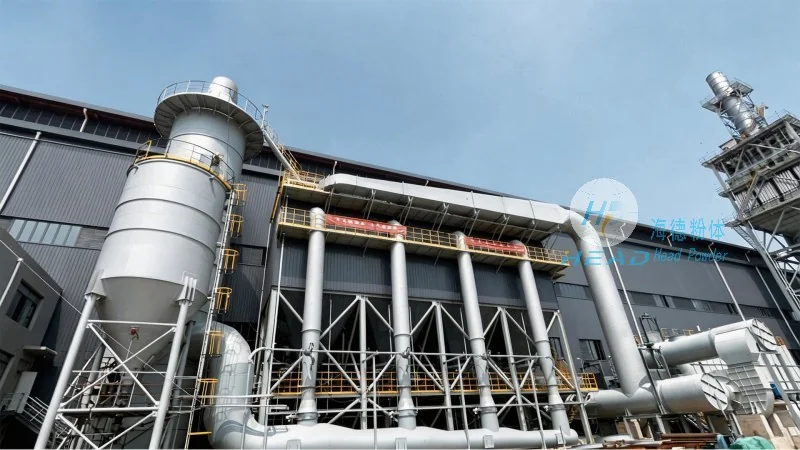
Understanding the Pneumatic Conveying Principle
The core principle of a copper powder pneumatic conveying system is the use of compressed air or other gases to transport bulk materials through a pipeline. In this system, the copper powder is drawn or pushed through the pipeline by the air flow. The design typically involves a hopper where the copper powder is stored, a conveyor line, and a discharge point where the material is released. The air flow can be generated by a blower or a vacuum pump, depending on the specific conveying method—either suction or pressure-based. The choice of method influences the system's efficiency, material handling capacity, and suitability for different copper powder characteristics such as particle size, moisture content, and flowability.
Key Working Scene Characteristics
The working scene characteristics of a copper powder pneumatic conveying machine are tailored to the demands of industrial environments where copper powder is processed. These characteristics include:
1. Material Compatibility: The system is engineered to handle copper powder with varying particle sizes, from fine powders to coarser granules. This ensures that the conveying process is efficient and minimizes material degradation or clogging in the pipeline.
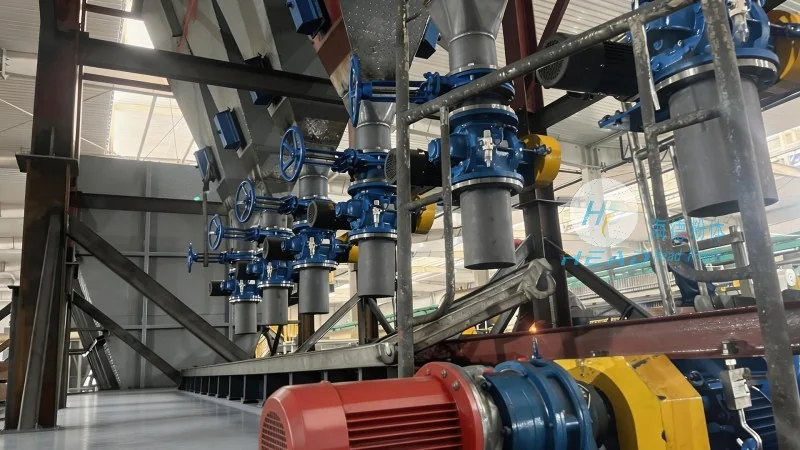
2. Environmental Adaptability: Pneumatic conveying systems are often used in settings where dust control is essential. The enclosed pipeline design helps contain copper powder dust, reducing the risk of inhalation hazards and maintaining a cleaner working environment. This is particularly important in facilities that handle copper powder for applications like metallurgy, electronics, or chemical processing.
3. Space Efficiency: Compared to traditional mechanical conveying methods like belt conveyors or screw conveyors, pneumatic conveying systems can be more space-efficient. The pipeline layout can be customized to fit within the constraints of a facility, allowing for flexible installation in areas with limited floor space.
4. Process Integration: The system can be integrated seamlessly with other industrial processes, such as mixing, drying, or packaging operations. This integration enhances overall production efficiency by streamlining the material flow from raw copper powder to the final product.
Application Scenarios
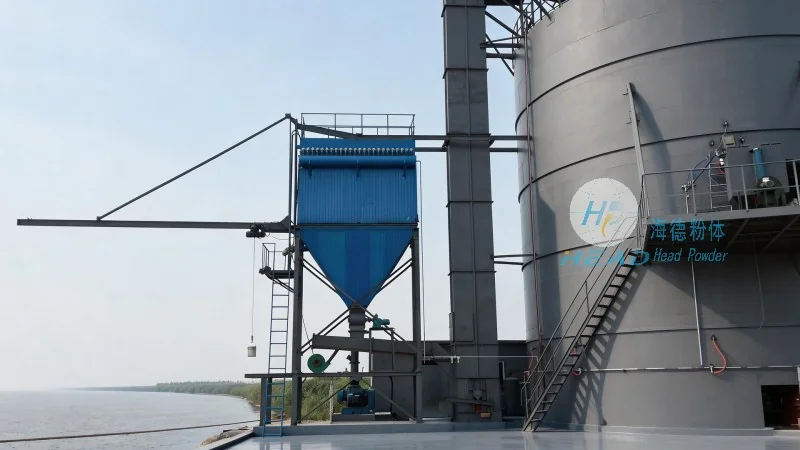
The copper powder pneumatic conveying machine is widely used in various industrial sectors. Common applications include:
1. Metallurgical Processing: In copper smelting and refining plants, the machine efficiently transports copper ore or copper powder to the processing units, ensuring a continuous supply of raw materials.
2. Electronics Manufacturing: For the production of copper-based components, such as printed circuit boards (PCBs), the system delivers copper powder to mixing and extrusion processes with precision, maintaining consistent material quality.
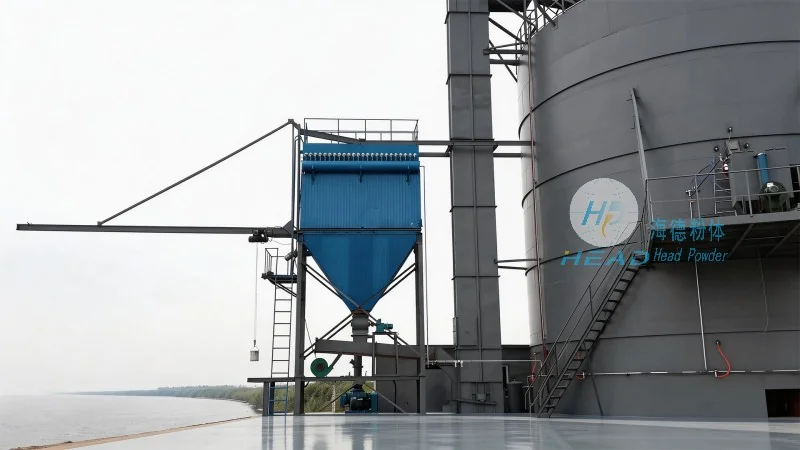
3. Chemical Manufacturing: In chemical plants that produce copper compounds, the pneumatic conveying machine handles copper powder during the synthesis and packaging stages, ensuring safe and efficient material transfer.
4. Research and Development Labs: In laboratories that conduct experiments with copper powder, the system provides a controlled environment for material handling, reducing contamination and improving experimental accuracy.
Conclusion
A copper powder material pneumatic conveying machine is a sophisticated piece of equipment that combines engineering principles with practical application to meet the demands of industrial copper powder handling. Its ability to transport copper powder efficiently, safely, and with minimal environmental impact makes it a preferred choice in various industrial settings. By understanding its working principles and scene characteristics, industries can optimize their material handling processes and enhance overall operational efficiency.




