

What is a Quick Loading Material Pneumatic Conveying System? What Are Its Design Principles?
Understanding the quick loading material pneumatic conveying system and its design principles is crucial for industries seeking efficient material handling solutions. This system is engineered to transport bulk materials quickly and reliably, often used in various manufacturing and processing applications. The design of such systems involves careful consideration of several key components and operational principles to ensure optimal performance.
Overview of Quick Loading Material Pneumatic Conveying Systems
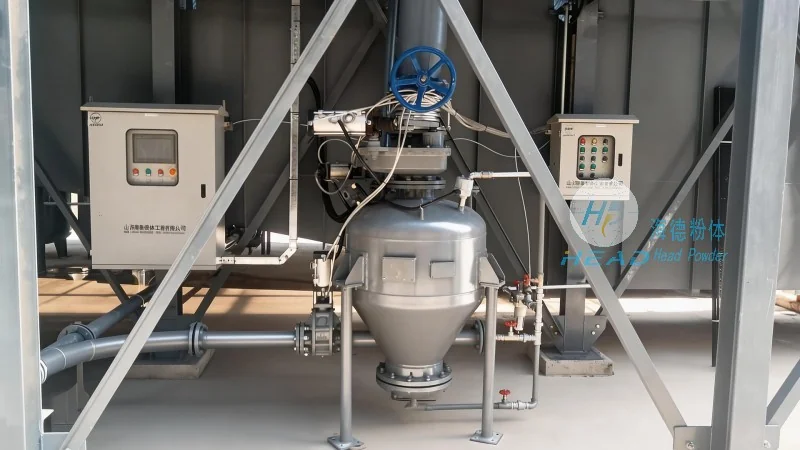
At the core of a quick loading material pneumatic conveying system is the ability to move bulk materials from a storage point to a processing or packaging location using air as the primary transport medium. This method offers advantages over traditional mechanical conveyors, such as reduced equipment wear, lower maintenance costs, and the ability to handle a wide range of materials, including powders, granules, and even fine particles. The system typically consists of a hopper for material storage, a conveying line, and a receiver for the material's final destination. The "quick loading" aspect refers to the system's capability to rapidly introduce material into the conveying line, often through a high-capacity feeder or a direct loading mechanism.
Key Components and Their Functions
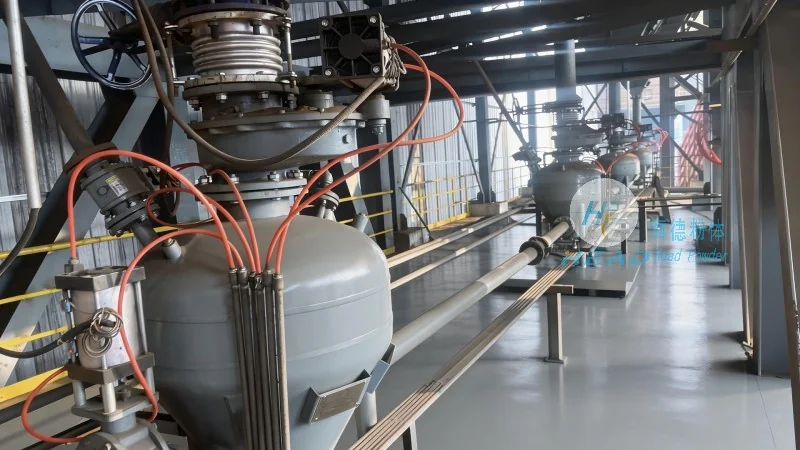
The design of a quick loading material pneumatic conveying system relies on several critical components, each playing a vital role in the overall operation. The primary components include the material hopper, which stores the bulk material and provides a consistent feed to the system. The feeder, often a rotary valve or a vibratory feeder, regulates the flow of material into the conveying line, ensuring a steady and controlled supply. The conveying line itself, typically made of stainless steel or other corrosion-resistant materials, is where the material is transported by the air flow. The air supply system, which generates the necessary pressure or vacuum, is another essential component. This system may include a blower, compressor, or vacuum pump, depending on the specific conveying method (pressure or vacuum). The receiver, located at the end of the conveying line, collects the material and may include a discharge valve or a hopper for further processing.
Design Principles for Efficient Operation
Designing an effective quick loading material pneumatic conveying system requires adherence to several fundamental principles to ensure efficiency, reliability, and minimal material degradation. One of the primary principles is maintaining a consistent air flow rate and pressure. This ensures that the material is adequately suspended and transported without causing blockages or excessive wear on the system components. The system's design must also consider the material's properties, such as particle size, density, and moisture content, as these factors influence the required air velocity and pressure. For example, finer particles may require higher air velocities to prevent settling or clogging, while larger particles may need lower velocities to avoid excessive wear on the conveying line.
Another critical design principle is the system's ability to handle variations in material feed rate. The quick loading feature is particularly important in applications where material is added rapidly, such as in continuous production lines. The feeder and hopper design must be capable of accommodating these rapid changes without causing fluctuations in the air flow or material transport. This involves using robust and responsive feeding mechanisms that can adjust to the incoming material volume and maintain a stable conveying rate. Additionally, the system's design should incorporate features to prevent material buildup or blockages, such as cleaning mechanisms or automatic shut-off valves that activate in case of obstructions.
Advantages of Quick Loading Material Pneumatic Conveying Systems
Implementing a quick loading material pneumatic conveying system offers several advantages for industrial applications. One of the most significant benefits is the reduction in labor costs associated with manual material handling. By automating the material transport process, the system minimizes the need for manual loading and unloading, improving safety and efficiency. Additionally, the system's ability to handle a wide range of materials makes it versatile for various industries, including pharmaceuticals, food processing, and chemical manufacturing. The quick loading feature also enhances production throughput, as materials can be introduced into the system rapidly, reducing downtime and increasing overall productivity.
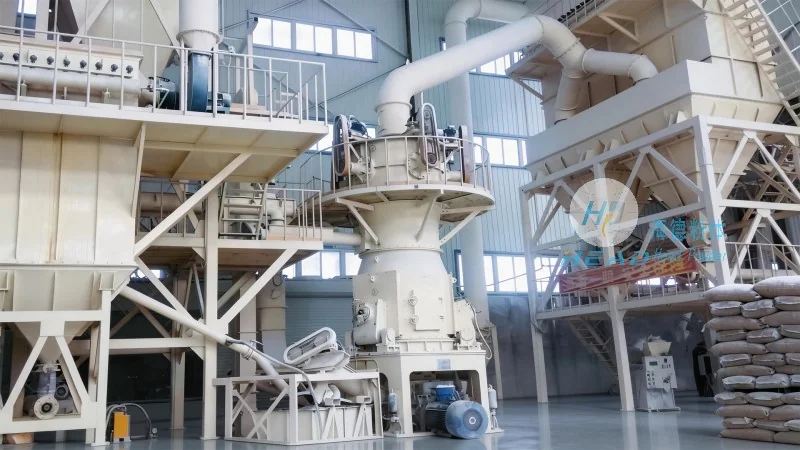
Furthermore, the design of these systems prioritizes durability and low maintenance. The use of corrosion-resistant materials and robust components ensures that the system can withstand the rigors of continuous operation, reducing the need for frequent repairs or replacements. The system's compact design also allows for easy integration into existing production lines, minimizing the need for extensive modifications or new construction. This makes it an attractive option for companies looking to upgrade their material handling capabilities without significant capital investment.
Conclusion
In conclusion, the quick loading material pneumatic conveying system is a sophisticated and efficient solution for bulk material handling. Its design principles, which focus on consistent air flow, material compatibility, and rapid loading capabilities, ensure optimal performance in various industrial applications. By understanding these principles and the key components involved, industries can select and implement a system that meets their specific needs, improving productivity, reducing costs, and enhancing overall operational efficiency. As a leading provider in this field, Shandong HeadPowder Engineering Co., Ltd. specializes in designing and manufacturing such systems, leveraging years of experience to deliver reliable and effective solutions for material handling challenges.