HeadPowder, a leading manufacturer based in Shandong, China, specializes in the design and production of advanced pneumatic conveying systems tailored for handling coal and sand materials. This article delves into the fundamental principles behind these systems and highlights the key working scene characteristics that make them indispensable in various industrial applications.
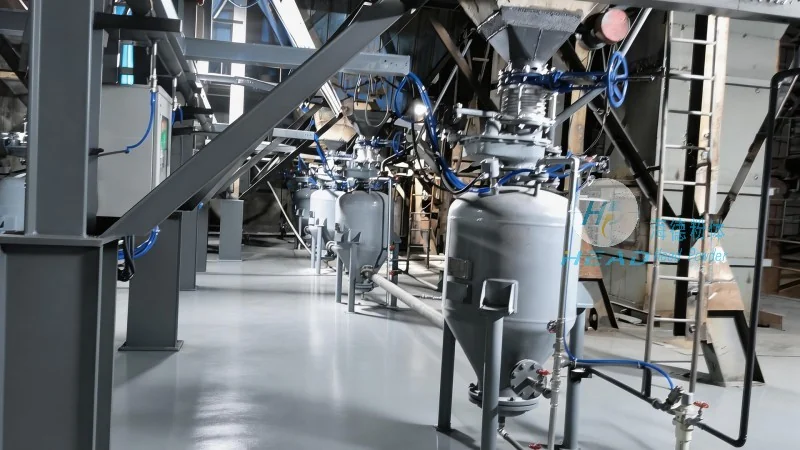
Principle of Pneumatic Conveying for Coal and Sand
The core principle of pneumatic conveying equipment involves transporting bulk materials through a pipeline using a pressurized or vacuum air stream. For coal and sand, this method leverages the ability of air to carry particles over long distances with minimal mechanical contact. The system typically consists of a hopper, a conveyor line, and a control unit. The material is fed into the hopper, where it is mixed with air under controlled pressure. As the air flows through the pipeline, it propels the coal and sand particles forward, ensuring efficient and continuous transport. This process eliminates the need for traditional mechanical conveyors, reducing wear and tear on equipment and minimizing material degradation.
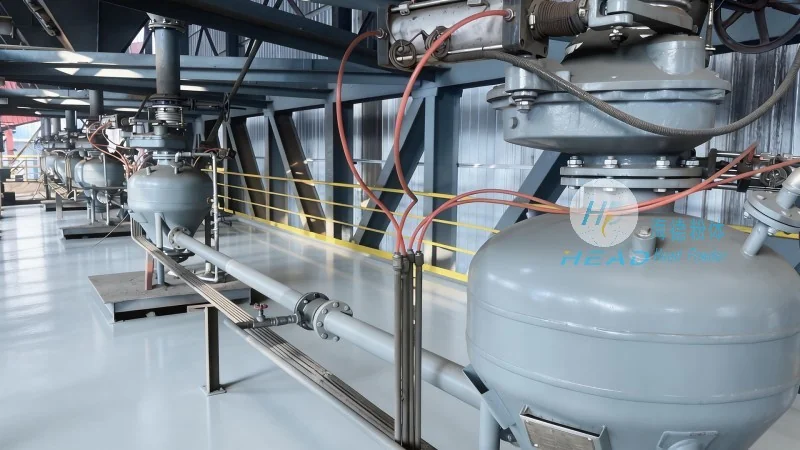
Working Scene Characteristics of the Equipment
The working scene characteristics of pneumatic conveying equipment for coal and sand materials are defined by several critical factors that influence its performance and suitability in different industrial settings. Firstly, the system's ability to handle abrasive materials like sand is a key advantage. Unlike belt or screw conveyors, which can suffer from excessive wear due to the abrasive nature of sand, pneumatic systems use smooth pipelines and air flow to minimize material impact on the equipment. This results in longer service life and lower maintenance costs. Secondly, the system's flexibility in handling varying material compositions is notable. Whether dealing with fine coal powders or coarse sand particles, the equipment can be adjusted to accommodate different particle sizes and densities, ensuring consistent performance. Thirdly, the system's suitability for long-distance transport is a significant benefit. Pneumatic conveyors can transport materials over distances of several hundred meters or more, making them ideal for applications where direct material transfer is not feasible. Additionally, the system's ability to operate in a closed environment reduces dust emissions, enhancing workplace safety and compliance with environmental regulations.
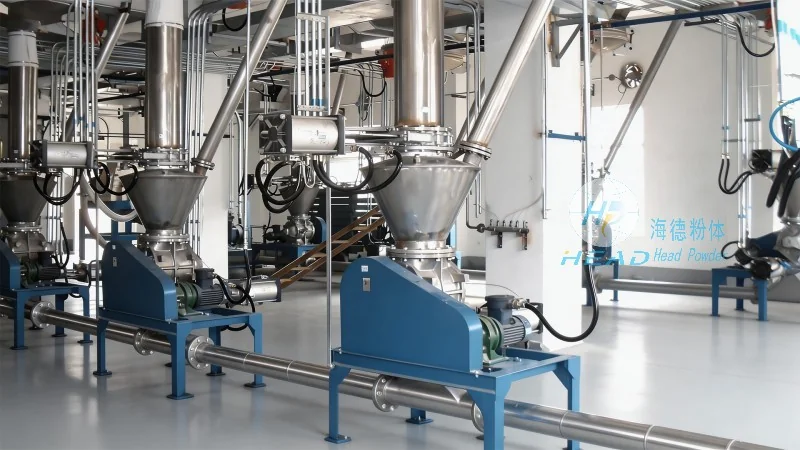
Application Scenarios and Industry Integration
Pneumatic conveying equipment for coal and sand materials is widely used across various industries, including mining, power generation, and construction. In the mining sector, these systems are employed to transport raw coal from mines to processing facilities, ensuring efficient material handling and reducing the risk of accidents associated with manual handling. In power plants, the equipment is crucial for transporting coal to boilers, where it is burned to generate electricity. The ability to handle large volumes of coal with minimal downtime makes it a preferred choice for power generation facilities. In construction, the system is used to transport sand and other aggregates to building sites, where they are used in concrete production. The flexibility and efficiency of the system make it an essential component in modern construction projects.
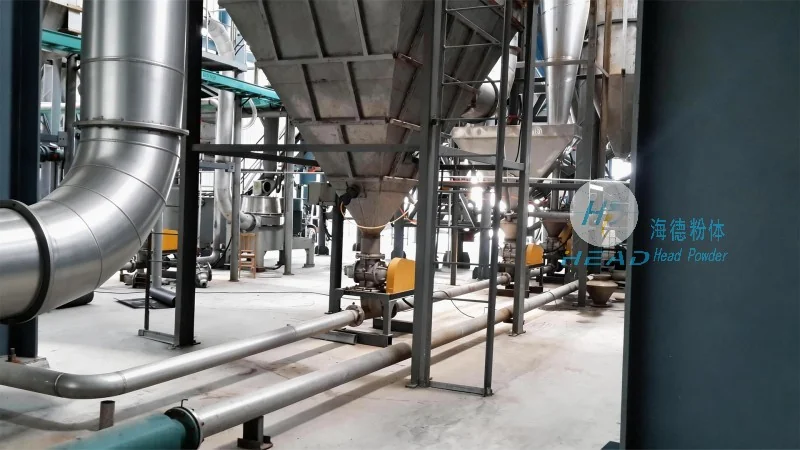
Advantages and Considerations for Implementation
Implementing pneumatic conveying equipment for coal and sand materials offers several advantages, including increased efficiency, reduced labor costs, and improved safety. However, there are also considerations to keep in mind. The initial investment cost of the system can be higher compared to traditional conveyors, but the long-term benefits in terms of reduced maintenance and increased productivity often outweigh the initial expense. Additionally, the system requires proper air pressure management and pipeline design to ensure optimal performance. Proper maintenance, including regular cleaning of pipelines and checking for air leaks, is essential to prevent system inefficiencies and material blockages. Overall, the advantages of pneumatic conveying systems make them a valuable investment for industries dealing with coal and sand materials.




