Polycarbonate material pneumatic conveying lines represent a sophisticated method for transporting polymeric materials, particularly polycarbonate, in industrial settings. This technology leverages the principles of pneumatic transport to move powders, granules, or other particulate materials through a closed system using air or other gases. The design and operation of such lines are tailored to meet the specific demands of polycarbonate handling, ensuring efficiency, safety, and material integrity.
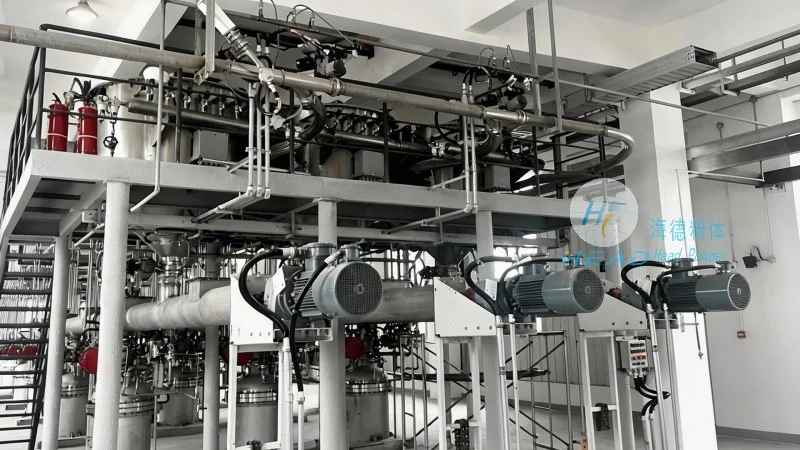
Principle of Pneumatic Conveying for Polycarbonate
The core principle of polycarbonate pneumatic conveying lies in the use of air pressure to move material. There are two primary modes: pressure conveying and vacuum (suction) conveying. In pressure conveying, a positive pressure is maintained within the conveying line, typically using a blower or compressor to force air and material through the system. This method is suitable for long-distance or high-capacity transport, as it can handle larger quantities of material with less pressure drop. Conversely, vacuum conveying uses a vacuum pump to create a negative pressure, drawing material from the source into the line. This approach is ideal for short distances or when the material is located at a higher elevation than the destination, as it can efficiently collect material from multiple points.
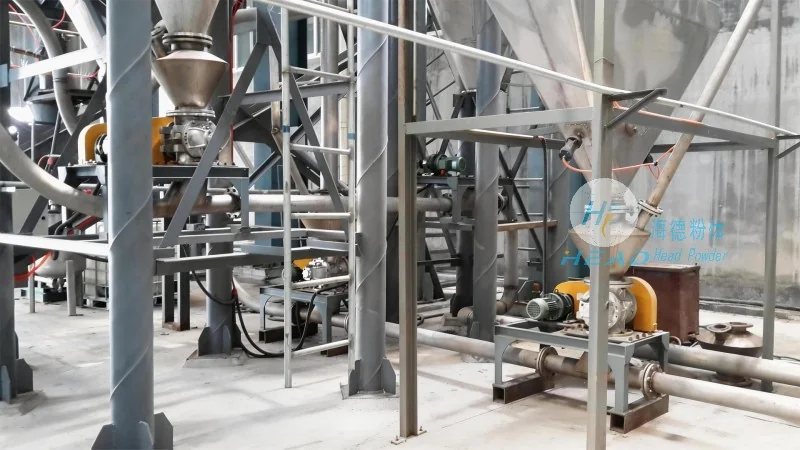
Working Scene Characteristics and Applications
The working scene characteristics of polycarbonate pneumatic conveying lines are defined by their adaptability to various industrial environments. These systems are commonly employed in manufacturing facilities where polycarbonate is processed into components, such as in the production of optical lenses, electronic enclosures, or automotive parts. The key characteristics include high material purity, as the enclosed system minimizes contamination from external sources. Additionally, the technology offers flexibility in layout, allowing for horizontal, vertical, or complex path configurations to suit the spatial constraints of the production floor.
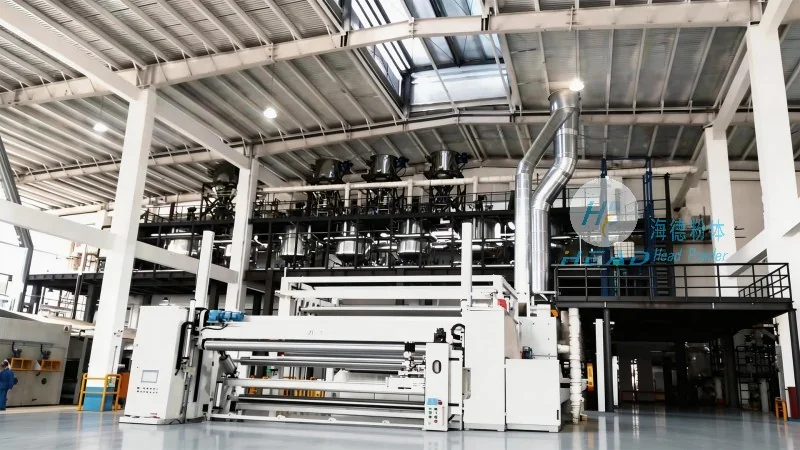
Key Features and Advantages in Practical Applications
When applied in real-world scenarios, polycarbonate pneumatic conveying lines exhibit several distinct advantages. One of the most significant benefits is the ability to handle abrasive or sensitive materials without causing degradation, which is crucial for polycarbonate, a material known for its high impact resistance and optical clarity. The enclosed system also reduces dust emissions, contributing to a cleaner working environment and compliance with environmental regulations. Furthermore, these systems can integrate with other production equipment, such as mixers, dryers, or molding machines, creating a seamless material flow from raw material to finished product. This integration enhances overall production efficiency and reduces downtime by minimizing manual handling and material transfer errors.
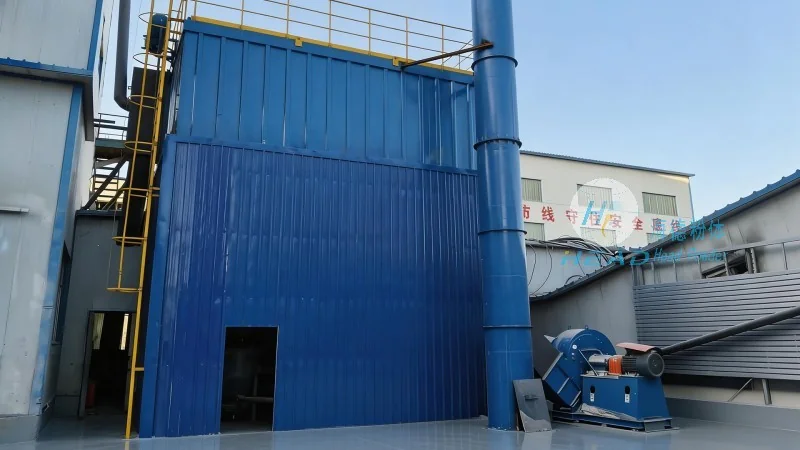
About HeadPowder: Expertise in Pneumatic Conveying Solutions
HeadPowder, or Shandong HeadPowder Engineering Co., Ltd., based in Shandong, China, specializes in the design, manufacturing, and implementation of advanced pneumatic conveying systems. With a focus on polycarbonate and other high-value polymeric materials, the company leverages decades of industry experience to deliver customized solutions that meet the unique requirements of each client. HeadPowder’s team of engineers and technicians works closely with clients to assess their material handling challenges, develop tailored system designs, and provide comprehensive installation and maintenance services. The company’s commitment to quality and innovation ensures that its pneumatic conveying lines not only meet current industry standards but also adapt to future technological advancements in material processing.




