HeadPowder, a leading manufacturer based in Shandong, China, specializes in providing advanced solutions for pneumatic conveying systems, particularly those used in sand blasting operations. The company's expertise lies in designing and implementing efficient systems that ensure optimal performance and reliability in industrial sand handling processes. This article provides an overview of the fundamental principles behind pneumatic conveying, with a focus on how these systems are applied in sand blasting applications.
The Working Principle of Pneumatic Conveying Systems
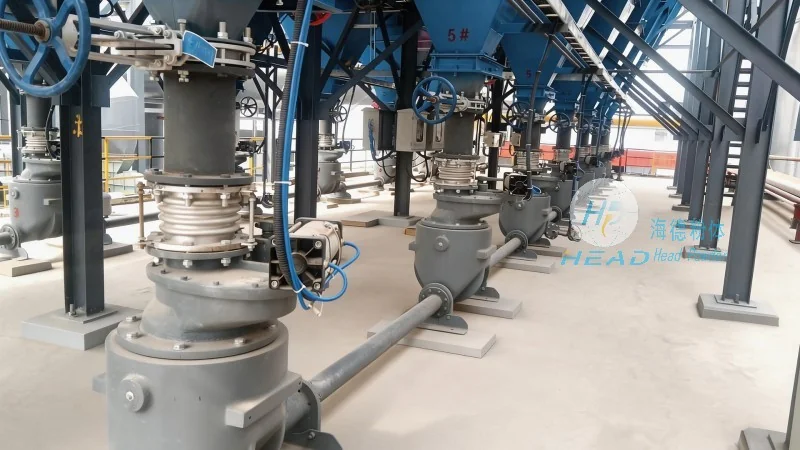
Pneumatic conveying systems operate by using air or gas to transport bulk materials, such as sand, through a pipeline. The process typically involves a combination of positive and negative pressure or a vacuum to move the material from the source to the destination. In the context of sand blasting, the system must be capable of handling abrasive materials while maintaining consistent flow rates and preventing material degradation. The core components of a pneumatic conveying system include a material hopper, a conveyor line, a pressure or vacuum source, and a discharge mechanism. The material is fed into the hopper, where it is then drawn or pushed through the pipeline by the air flow. This method offers several advantages over traditional mechanical conveying, including reduced equipment wear, lower maintenance costs, and the ability to transport materials over long distances without the need for multiple transfer points.
Key Components and Their Functions in Sand Blasting Pneumatic Conveying
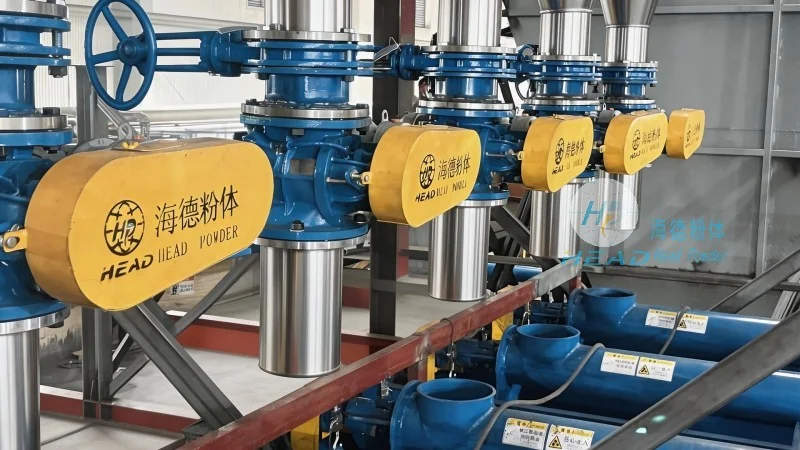
Each component of the pneumatic conveying system plays a critical role in ensuring efficient operation. The material hopper is designed to store the sand and provide a consistent feed to the system. It often includes a feeder mechanism, such as a rotary valve or a screw feeder, to control the flow rate and prevent clogging. The conveyor line, typically made of stainless steel or other corrosion-resistant materials, is designed to withstand the abrasive nature of the sand. The pressure or vacuum source, which can be a blower, a fan, or a vacuum pump, generates the necessary air flow to move the material. The discharge mechanism, such as a rotary valve or a cyclone separator, collects the sand at the end of the line and directs it to the blasting equipment. The selection of these components is crucial for the system's performance and longevity, as each part must be able to handle the specific characteristics of the sand being transported.
Advantages of Using Pneumatic Conveying for Sand Blasting
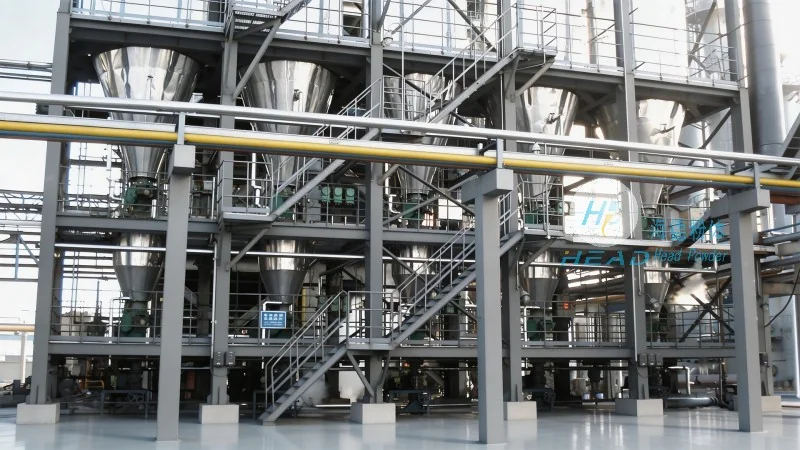
Implementing a pneumatic conveying system for sand blasting offers numerous benefits that enhance operational efficiency and product quality. One of the primary advantages is the reduction in labor costs, as the system automates the material handling process, eliminating the need for manual loading and unloading. Additionally, the system minimizes material contamination, as the enclosed pipeline prevents dust and debris from entering the environment. This is particularly important in sand blasting applications, where clean sand is essential for achieving the desired surface finish. Another key benefit is the improved safety, as the system reduces the risk of dust explosions and exposure to airborne particles. Furthermore, pneumatic conveying systems can handle a wide range of sand types and sizes, making them versatile for various industrial applications. The ability to control the flow rate and pressure allows for precise control over the blasting process, leading to consistent results and reduced waste.
Applications and Industries Utilizing Sand Blasting Pneumatic Conveying
The use of pneumatic conveying systems in sand blasting is widespread across various industries, including automotive manufacturing, aerospace, and metalworking. In the automotive industry, these systems are used to clean and prepare vehicle parts before painting, ensuring a smooth and uniform surface. The aerospace industry relies on pneumatic conveying for cleaning aircraft components, which require high precision and cleanliness. Metalworking industries use these systems for deburring and surface finishing of metal parts, improving their durability and appearance. The versatility of pneumatic conveying systems makes them suitable for a wide range of applications, from small-scale workshops to large-scale manufacturing facilities. HeadPowder's expertise in designing customized systems allows them to meet the specific needs of each industry, ensuring optimal performance and efficiency.
Customization and Maintenance of Pneumatic Conveying Systems
HeadPowder understands that each sand blasting operation has unique requirements, and therefore, offers customized pneumatic conveying solutions tailored to the specific needs of their clients. The company's engineers work closely with customers to design systems that meet their production capacity, material characteristics, and space constraints. This customization includes selecting the appropriate components, such as the type of blower, the material of the pipeline, and the size of the hopper. Regular maintenance is also crucial for the longevity and performance of the system. HeadPowder provides comprehensive maintenance services, including routine inspections, component replacement, and troubleshooting. By maintaining the system properly, customers can ensure consistent performance, reduce downtime, and extend the lifespan of their equipment. The company's commitment to quality and customer satisfaction is reflected in their comprehensive support services, which include technical assistance and spare parts availability.




