HeadPowder, a reputable engineering firm headquartered in Shandong, China, specializes in the development and implementation of advanced material handling solutions. A key offering from HeadPowder is the PVB material pneumatic conveying line, a sophisticated system designed to transport polyvinyl butyral (PVB) materials efficiently and reliably. This article delves into the fundamental principles of this technology and outlines the distinct characteristics of its operational environments, providing insights into how such systems enhance industrial processes.
The Working Principle of PVB Material Pneumatic Conveying Lines
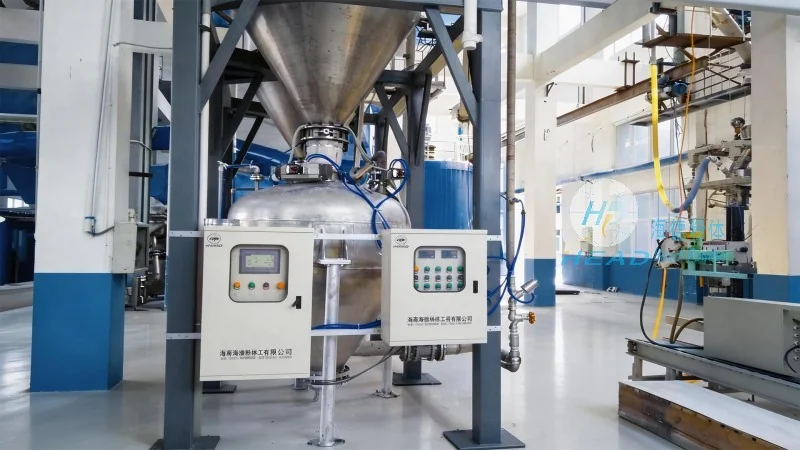
The core mechanism of a PVB material pneumatic conveying line revolves around the use of air or gas to transport bulk materials through a pressurized or vacuum pipeline. The process begins with the PVB material being fed into the system via a hopper or feeder, which ensures a consistent flow of material into the conveying line. The material is then propelled through the pipeline by either positive pressure (where air is blown into the line to create a pressure differential) or negative pressure (where a vacuum is created to draw the material through the line). This method eliminates the need for mechanical components like belts, buckets, or screws, reducing wear and maintenance requirements while maintaining a clean and dust-free transfer environment. The design of the conveying line is tailored to the specific properties of PVB, such as its particle size, density, and moisture content, to optimize the conveying velocity and prevent material degradation or blockages. For instance, in applications involving PVB used in safety glass production, the system is engineered to handle fine particles and maintain precise temperature control to preserve the material's adhesive properties.
Key Characteristics of Operational Scenarios
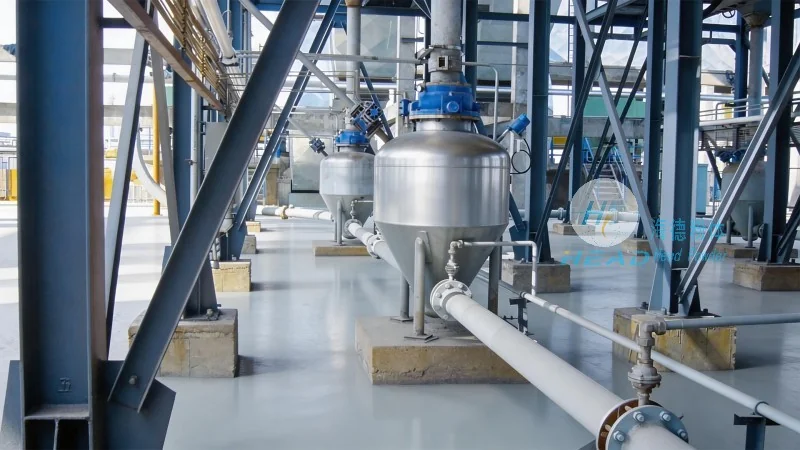
The operational scenarios for PVB material pneumatic conveying lines are diverse and tailored to the specific requirements of industrial applications. These systems are commonly employed in manufacturing environments where PVB is processed as an intermediate or final product, such as in the production of safety glass, coatings, or adhesives. The characteristics of these scenarios include: high efficiency in material transfer, with the ability to move large volumes of PVB over significant distances (often ranging from 50 meters to several kilometers) with minimal downtime; flexibility in system configuration, allowing for integration with existing production lines or expansion to accommodate increased production demands; and minimal environmental impact, as the system operates with enclosed pipelines, preventing dust emissions and maintaining a clean working environment. Additionally, the pneumatic conveying line is designed to handle PVB materials with varying properties, ensuring consistent performance even when dealing with different batches or formulations. The operational scenarios also emphasize safety and reliability, with features such as pressure relief valves, material flow sensors, and automatic shutdown mechanisms to prevent accidents and ensure smooth operation. For example, in a safety glass manufacturing plant, the PVB material pneumatic conveying line is integrated with the lamination process, where precise control over the PVB's temperature and moisture is critical to achieve high-quality laminated glass.
Advantages and Practical Applications
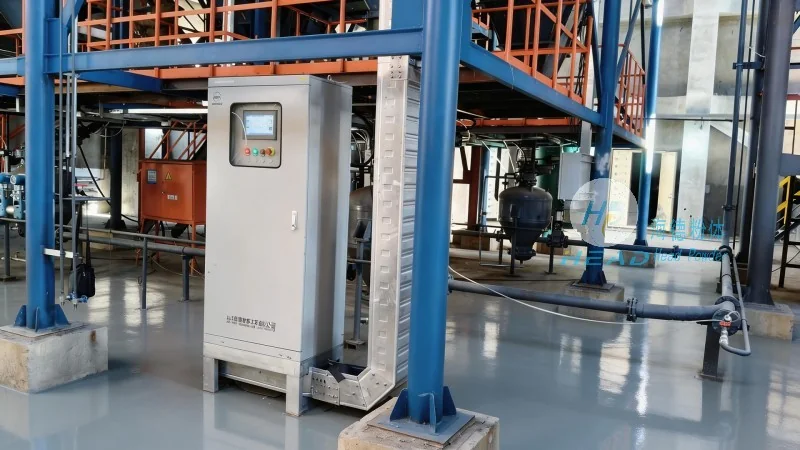
HeadPowder's PVB material pneumatic conveying lines offer several advantages that make them a preferred choice for industrial applications. These include: improved product quality through reduced contamination and exposure to air, which is essential for PVB materials used in sensitive applications like safety glass; enhanced operational efficiency through automated feeding and conveying processes, reducing labor costs and increasing production throughput; and reduced maintenance costs due to the absence of mechanical moving parts, which are prone to wear and tear in traditional conveying systems. The systems are also scalable, allowing them to be customized for small-scale laboratory applications or large-scale industrial production lines. In practice, these conveying lines are used in various industries, including automotive, construction, and electronics, where PVB is used as a bonding agent or protective coating. The ability to handle PVB materials with precision and reliability makes these systems indispensable in modern manufacturing processes. For instance, in the automotive industry, PVB is used as a sealant in windshields, and the pneumatic conveying line ensures that the material is delivered to the assembly line in a clean and consistent manner, meeting stringent quality standards.




