Alumina crystals, a critical material in various industrial applications, often require efficient and reliable transportation methods. Pneumatic conveying, a technology that uses air or gas to move bulk materials like powders and granules, offers a solution for handling alumina crystals with precision and minimal contamination. This article explores the fundamentals of pneumatic conveying systems specifically designed for alumina crystals, detailing their working principles and operational benefits.
Understanding Pneumatic Conveying Systems
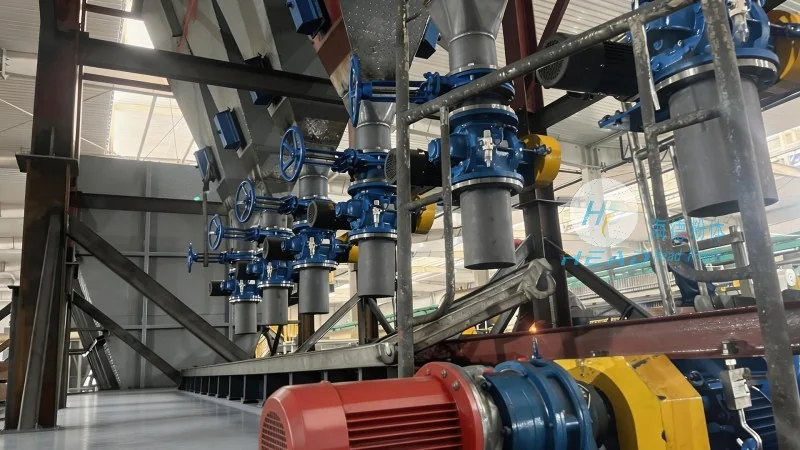
Pneumatic conveying systems operate by transporting solid particles through a pipeline using a moving gas stream. In the case of alumina crystals, these systems are engineered to handle the specific properties of the material, such as its particle size, density, and flow characteristics. The core components of a typical pneumatic conveying system include a material feed hopper, a conveying line, a gas source (usually a blower or compressor), and a discharge mechanism. The process begins with the alumina crystals being fed into the hopper, where they are then drawn into the conveying line by the moving air stream. The air velocity within the pipeline is carefully controlled to ensure the crystals are carried without settling or clogging, which is crucial for maintaining system efficiency and preventing material degradation.
Key Components and Their Functions
Several key components work in tandem to ensure the smooth operation of alumina crystal pneumatic conveying systems. The material feed hopper is designed to store and meter the alumina crystals, providing a consistent flow to the conveying line. This component often includes a rotary valve or feeder to regulate the material input, preventing overloading and ensuring a steady supply. The conveying line, typically made of corrosion-resistant materials like stainless steel or polyethylene, is designed to withstand the abrasive nature of alumina crystals while minimizing friction and wear. The gas source, such as a positive displacement blower or a centrifugal fan, generates the necessary air pressure and flow rate to move the crystals through the pipeline. The discharge mechanism, which may include a rotary valve or a venturi, controls the release of the alumina crystals at the destination point, ensuring accurate and controlled delivery.
Types of Pneumatic Conveying Systems
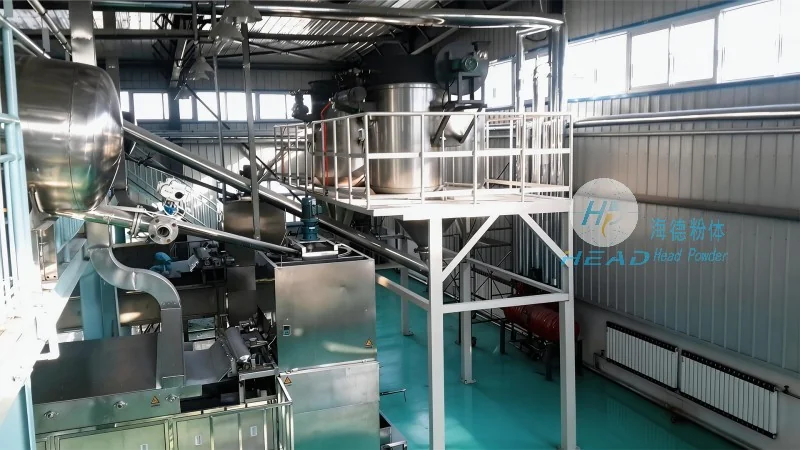
There are two primary types of pneumatic conveying systems used for alumina crystals: dilute-phase and dense-phase. Dilute-phase systems operate at higher air velocities, typically 20-30 meters per second, and are suitable for short-distance transport where the material is carried in a cloud of particles. These systems are efficient for handling fine alumina crystals and are commonly used in applications where minimal pressure drop is required. Dense-phase systems, on the other hand, operate at lower air velocities (5-15 meters per second) and use a higher gas-to-solid ratio, resulting in a more compact material flow. This method is ideal for longer distances or when the material needs to be transported with less risk of degradation or segregation. The choice between dilute-phase and dense-phase systems depends on factors such as the distance to be covered, the particle size of the alumina crystals, and the required delivery rate.
Advantages of Pneumatic Conveying for Alumina Crystals
Pneumatic conveying offers several advantages when handling alumina crystals compared to traditional methods like belt conveyors or bucket elevators. One of the most significant benefits is the ability to transport the material in a closed system, which minimizes exposure to contaminants and prevents dust emissions, ensuring compliance with environmental regulations. This closed-loop operation also reduces the risk of material loss and improves overall process efficiency. Additionally, pneumatic conveying systems are highly flexible, allowing for changes in the transport route or destination without major modifications to the infrastructure. The technology is also suitable for handling materials with varying properties, such as different particle sizes or moisture content, as the system can be adjusted to accommodate these variations. Furthermore, the lack of mechanical contact between the alumina crystals and the conveying components reduces wear and tear, extending the lifespan of the equipment and reducing maintenance costs.
Applications in Industrial Settings
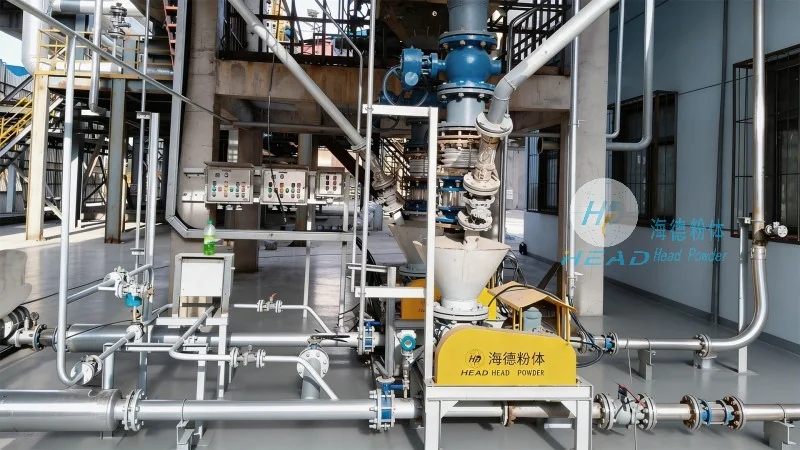
Alumina crystals are widely used in industries such as ceramics, refractories, and electronics, where their high purity and thermal stability are essential. Pneumatic conveying systems are integral to the supply chain of these industries, ensuring that alumina crystals are transported from storage facilities to production lines efficiently and safely. For example, in ceramic manufacturing, alumina crystals are used as a raw material for making high-strength ceramics and refractory bricks. The pneumatic conveying system delivers the crystals directly to the mixing and processing equipment, maintaining the material's quality and preventing contamination. In the electronics industry, alumina crystals are used as a substrate material for integrated circuits and other components. The closed-loop pneumatic system ensures that the material is delivered to the production line with minimal exposure to external factors, maintaining the high standards required for electronic applications. Other applications include the production of aluminum metal, where alumina crystals are used as an intermediate in the smelting process, and in the pharmaceutical industry, where they are used as a filler or excipient in drug formulations.
Operational Considerations and Maintenance
While pneumatic conveying systems offer numerous benefits, proper operation and maintenance are crucial to ensure optimal performance and longevity. Regular inspection of the conveying line and components is necessary to detect any signs of wear or damage, such as corrosion or clogging. The gas source and air filters should be checked regularly to ensure they are functioning correctly and providing clean air to the system. The material feed hopper and rotary valves should be cleaned periodically to prevent buildup of alumina crystals, which can affect the flow rate and system efficiency. Additionally, the system should be monitored for pressure drop and air velocity to ensure it is operating within the optimal range. Proper training of operators on the system's operation and maintenance procedures is also essential to prevent accidents and ensure the system's reliability. By following these operational considerations, the pneumatic conveying system for alumina crystals can operate efficiently and safely, providing consistent and reliable transportation of the material.




