HeadPowder, a leading provider in the field of material handling solutions, specializes in the design and implementation of pneumatic conveying systems tailored for foundry sand materials. This article delves into the fundamental principles behind pneumatic conveying technology and highlights the key characteristics of its application in various working environments within the foundry industry.
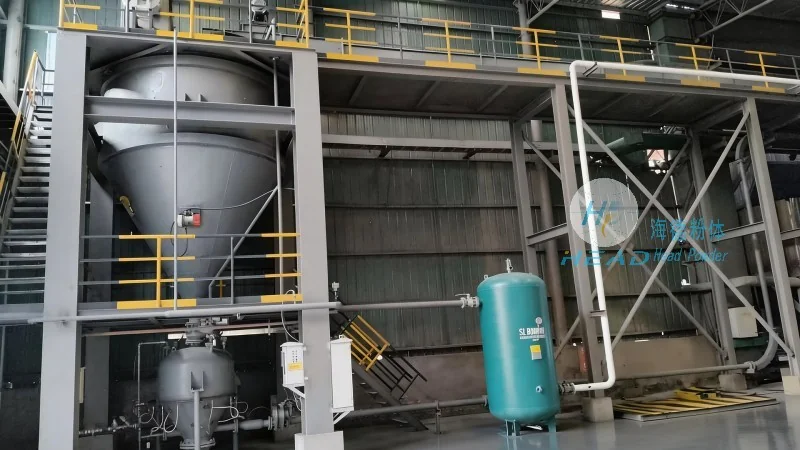
Understanding Pneumatic Conveying Principles for Foundry Sand Materials
Pneumatic conveying, also known as air conveying, is a method of transporting bulk materials through a pipeline using a stream of air. In the context of foundry sand materials, which typically include sand, additives, and other raw components, this technology offers a highly efficient and flexible solution for material movement. The core principle involves creating a pressure differential within the pipeline system, either by generating positive pressure (blowing air into the material) or negative pressure (sucking air out of the material), to move the sand particles along the pipeline.
For foundry applications, the choice between positive and negative pressure systems depends on factors such as the material's properties, the distance to be conveyed, and the need for dust control. Positive pressure systems, often referred to as "blow" systems, are commonly used for short to medium distances and when the material is relatively dry and free-flowing. These systems use a blower to push air and material through the pipeline, ensuring consistent flow and minimizing blockages. On the other hand, negative pressure systems, or "suction" systems, are ideal for longer distances or when handling dusty materials, as they draw the material into the pipeline, reducing the risk of dust dispersion.
Key Working Scene Characteristics of Pneumatic Conveying Systems
The application of pneumatic conveying systems in foundry operations is characterized by several distinct features that make them well-suited for the industry's specific needs. One of the primary advantages is the ability to handle abrasive and heavy materials without the need for mechanical components like belts or buckets, which can wear out quickly under such conditions. This reduces maintenance costs and extends the operational life of the system.
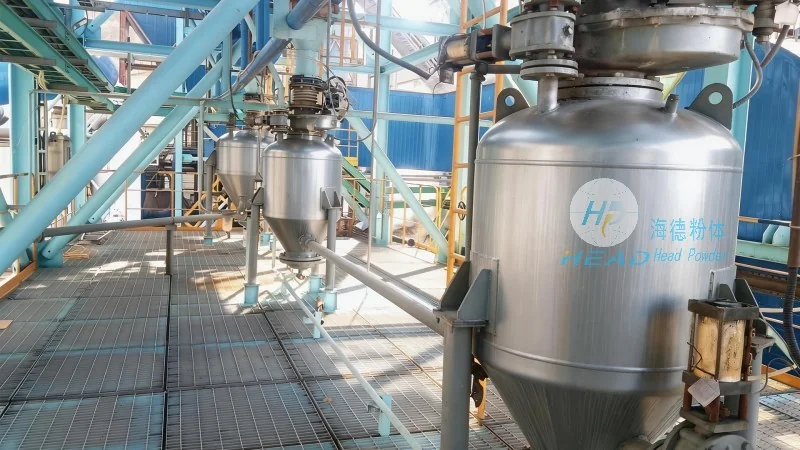
Another significant characteristic is the system's adaptability to different production stages within a foundry. For instance, in the raw material handling stage, pneumatic conveying can transport sand from storage silos to mixing and molding areas. During the production process, it can move used sand from the molding line back to the reclamation system for recycling. This closed-loop system not only improves material efficiency but also enhances environmental compliance by minimizing dust emissions.
Furthermore, the working scene characteristics include the integration of pneumatic conveying with other foundry equipment, such as mixers, molding machines, and reclamation systems. This integration allows for seamless material flow, reducing bottlenecks and improving overall production throughput. The systems are designed to handle varying material flow rates, from low to high, depending on the production demand, ensuring that the foundry can scale its operations as needed.
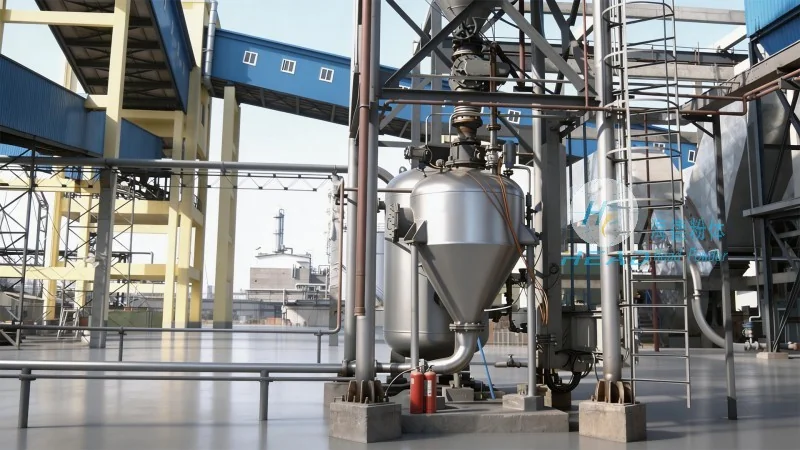
Benefits and Considerations in Foundry Sand Material Handling
Implementing pneumatic conveying systems for foundry sand materials offers numerous benefits, including improved safety by eliminating manual handling of heavy and dusty materials, enhanced productivity through continuous material flow, and reduced operational costs due to lower maintenance requirements compared to traditional methods like bucket elevators or belt conveyors.
However, there are also considerations to keep in mind when selecting a pneumatic conveying system for foundry applications. The material's particle size, moisture content, and abrasiveness are critical factors that influence system design. For example, highly abrasive materials may require special pipeline materials, such as stainless steel or wear-resistant liners, to prevent premature wear and tear. Additionally, the system's capacity and pressure requirements must be carefully calculated to ensure reliable operation and avoid system failures.
HeadPowder, with its expertise in engineering and manufacturing, provides customized pneumatic conveying solutions that address these considerations. By leveraging advanced design software and years of industry experience, the company ensures that each system is optimized for the specific foundry's operational needs, resulting in efficient, reliable, and cost-effective material handling.




