Shandong HeadPowder Engineering Co., Ltd., commonly known as headpowder, is a professional engineering firm headquartered in Shandong, China. The company specializes in the design, manufacturing, and installation of material handling systems, with a particular focus on pneumatic conveying solutions for bulk materials such as dry soybeans. By leveraging advanced engineering principles and industry expertise, headpowder provides customized solutions that enhance efficiency, safety, and operational reliability in material transport processes.
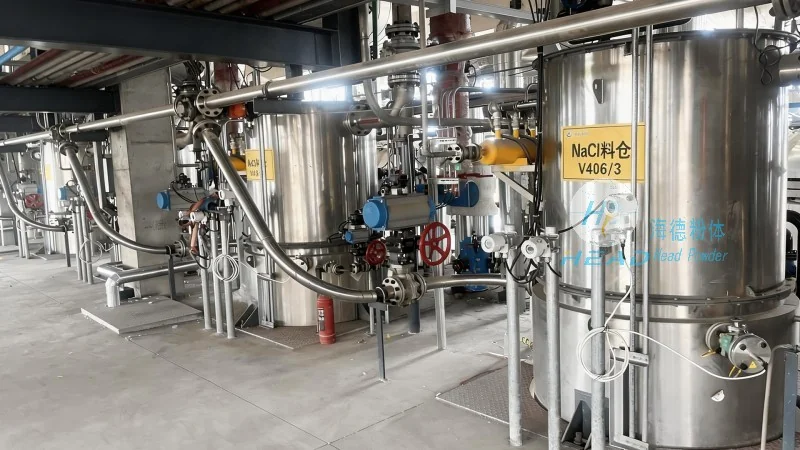
Principle of Pneumatic Conveying for Dry Soybean Materials
Pneumatic conveying is a method of transporting dry bulk materials like soybeans through a pipeline using a stream of air. The core principle involves creating a pressure differential or using vacuum to move the material. In the case of dry soybeans, the system typically operates under negative pressure (suction) or positive pressure (pressure) to ensure the material is conveyed efficiently. The process begins with the material being introduced into the conveying line, where it is mixed with air and propelled to the destination. Key components include a hopper, a rotary valve, a conveying line, and a receiver. The air flow is controlled to maintain the correct velocity, preventing material degradation and ensuring consistent transport. For dry soybeans, which have specific characteristics like moderate density and relatively good flowability, the system design must account for these properties to optimize performance and minimize wear on equipment.
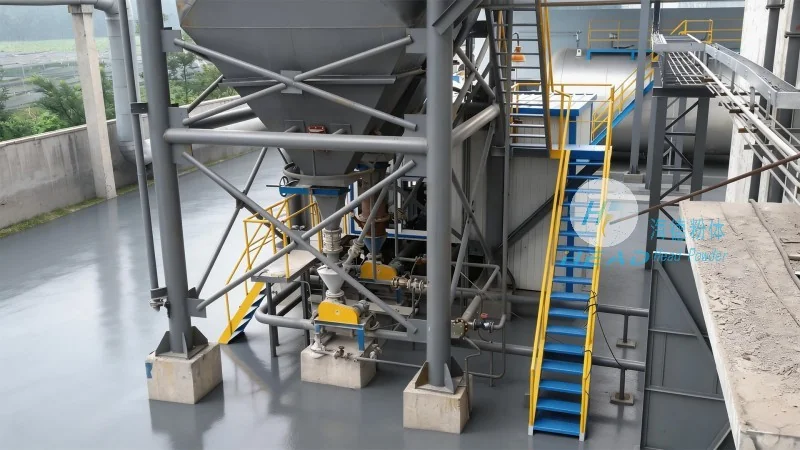
Working Scene Characteristics and Application Scenarios
The application of pneumatic conveying systems for dry soybeans is characterized by several key aspects that define their operational effectiveness. In industrial settings, these systems are commonly used in factories and processing plants where soybeans are received, stored, and then moved to processing equipment such as hullers, extractors, or roasters. The primary advantage is the ability to maintain a clean and dust-free environment, which is critical for food processing applications. Additionally, pneumatic conveying allows for continuous, automated material transport, reducing manual handling and associated risks. In warehouse or storage facilities, the system can be integrated with silos or bulk storage tanks to transfer soybeans from storage to packaging lines or loading areas. The flexibility of pneumatic conveying also enables it to adapt to different layout configurations, making it suitable for both new installations and retrofitting existing facilities. Furthermore, the system's ability to handle varying material flow rates and volumes makes it adaptable to fluctuating production demands, ensuring smooth operations throughout the production cycle.
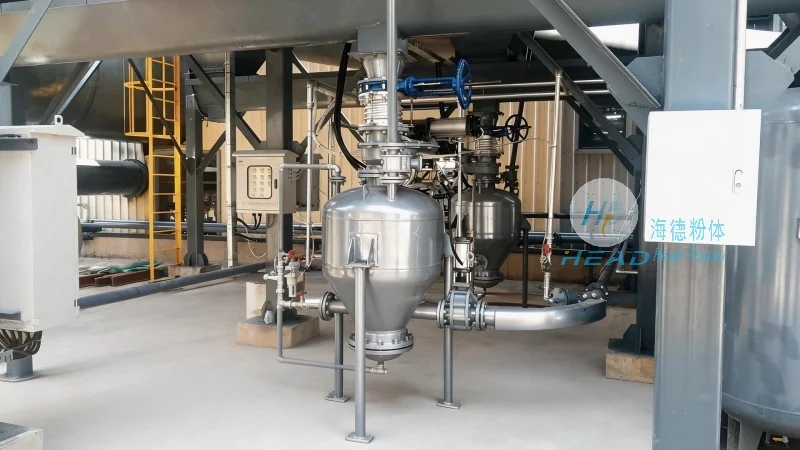
Advantages and Considerations in Pneumatic Conveying for Dry Soybeans
When implementing pneumatic conveying for dry soybeans, several advantages and considerations must be taken into account. One of the main benefits is the high efficiency in material transport, as the system can move large quantities of soybeans over long distances with minimal energy consumption compared to traditional methods like bucket elevators or belt conveyors. The enclosed pipeline design also helps in maintaining product quality by preventing contamination from external sources and reducing the risk of material degradation due to exposure to air or moisture. However, the system requires careful design to handle the specific properties of soybeans, such as their tendency to clump or the need for consistent air flow to avoid blockages. Maintenance is another critical aspect, as the components like rotary valves and filters need regular cleaning to prevent clogging and ensure long-term reliability. The initial investment for a pneumatic conveying system can be higher than other transport methods, but the long-term operational savings and improved efficiency often justify the cost. Overall, the effectiveness of the system depends on proper sizing, material testing, and regular maintenance to ensure optimal performance and durability.




