Lysine is a critical amino acid widely used in the animal feed and food industries. Efficient and reliable transportation of lysine is essential to ensure consistent quality and supply chain stability. Various methods are employed to transport lysine, each with its own advantages and considerations. This article provides a detailed comparison of common lysine transportation methods, focusing on their operational aspects, benefits, and practical applications.
1. Pneumatic Conveying Systems
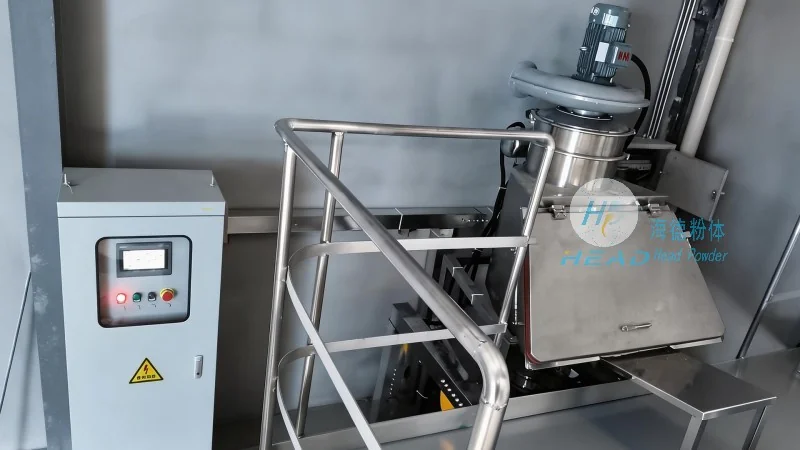
Pneumatic conveying, also known as air-based transport, is a popular method for lysine transportation. This system uses compressed air to move lysine particles through a pipeline. The process involves creating a pressure differential that propels the material forward. Pneumatic conveying is particularly effective for handling fine powders like lysine, as it minimizes product degradation and contamination. The system typically consists of a hopper, a conveyor line, and a receiver. The air flow is controlled to maintain a consistent velocity, preventing material buildup or blockages. One of the key advantages of pneumatic conveying is its ability to transport lysine over long distances without the need for intermediate storage or handling. This method is widely used in industrial settings where continuous operation is required. However, it requires careful maintenance of air filters and pressure systems to ensure optimal performance. The cost of compressed air and energy consumption is also a factor to consider when evaluating pneumatic conveying for lysine transport.
2. Hydraulic or Pumped Systems
Hydraulic systems, often referred to as pumped systems, utilize liquid media to transport lysine. This method involves dissolving lysine in a liquid carrier, such as water or a specialized solution, and then pumping the mixture through pipelines. The primary advantage of hydraulic transport is its ability to handle larger volumes of lysine efficiently. It is particularly suitable for applications where high throughput is required, such as in large-scale feed mills or processing plants. The system can be designed to operate under high pressure, allowing for long-distance transport with minimal pressure loss. However, the use of liquid carriers introduces additional considerations, including the need for separation and drying processes at the receiving end. This can increase operational complexity and costs. Another consideration is the potential for product contamination if the liquid carrier is not properly treated. Hydraulic systems are generally more suitable for bulk transport over shorter to medium distances, where the infrastructure for liquid handling is already in place.
3. Mechanical Conveying Methods
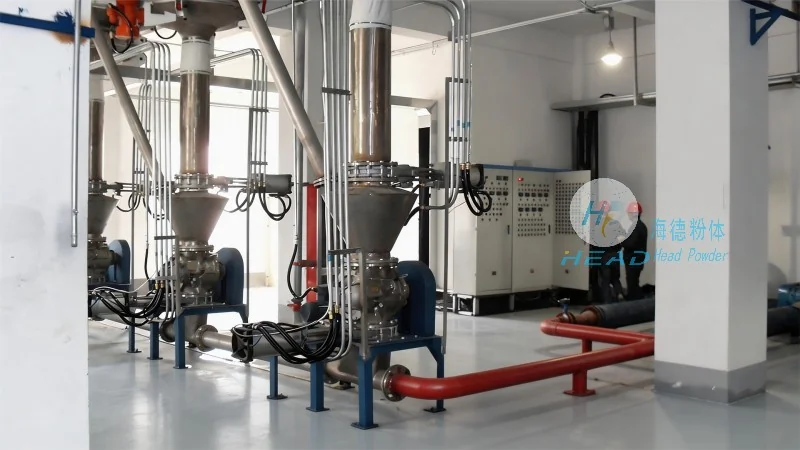
Mechanical conveying systems rely on mechanical components to move lysine. Common types include screw conveyors, belt conveyors, and bucket elevators. Screw conveyors use a rotating screw to push lysine along a tube or trough. This method is simple and reliable, making it suitable for horizontal or slightly inclined transport. Belt conveyors use a moving belt to transport lysine, often in bulk or in bags. They are ideal for handling larger quantities of lysine and can be integrated into existing material handling systems. Bucket elevators use buckets attached to a chain or belt to lift lysine vertically. This method is particularly effective for vertical transport, such as moving lysine from storage silos to processing equipment. The main advantage of mechanical conveying is its low energy consumption and minimal maintenance requirements. However, it is generally less suitable for fine powders like lysine, as the material can be easily fragmented or damaged by the mechanical components. Mechanical systems are also limited in terms of distance and throughput compared to pneumatic or hydraulic methods. They are often used in conjunction with other transport systems to handle lysine at intermediate stages of the supply chain.
4. Comparison of Transportation Methods
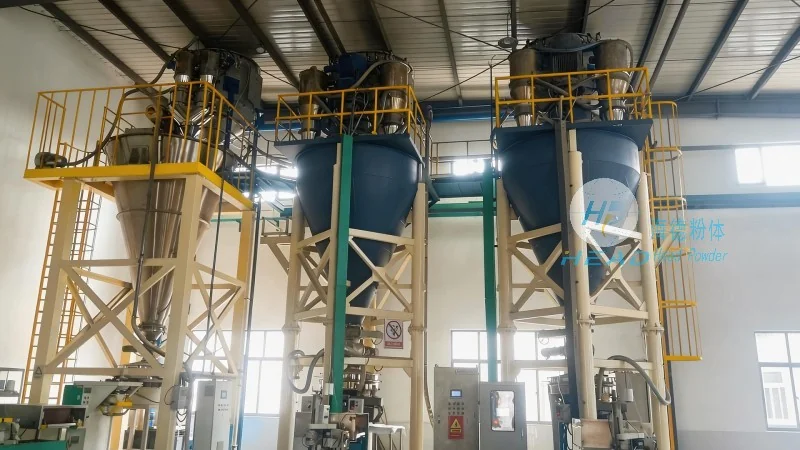
When selecting a lysine transportation method, several factors must be considered, including the scale of operation, distance, product characteristics, and cost. Pneumatic conveying is often preferred for fine powders and long-distance transport due to its ability to maintain product integrity. Hydraulic systems excel in high-volume, short-to-medium distance transport but require additional processing steps. Mechanical conveying is suitable for bulk handling and intermediate stages but has limitations in distance and material handling. The choice of method also depends on the existing infrastructure and operational requirements of the facility. For example, a plant with existing pneumatic infrastructure may opt for pneumatic conveying to avoid costly upgrades. Conversely, a facility with access to a liquid carrier system might choose hydraulic transport. Ultimately, the goal is to select a transportation method that balances efficiency, cost, and product quality to ensure reliable lysine supply.
Conclusion
Efficient lysine transportation is crucial for maintaining the quality and availability of this essential amino acid. The comparison of common transportation methods—pneumatic, hydraulic, and mechanical—highlights the diverse options available to industry professionals. Each method has its strengths and limitations, and the optimal choice depends on specific operational and logistical factors. By understanding the characteristics of each method, companies can make informed decisions to enhance their lysine supply chain. As the demand for lysine continues to grow, the development of more efficient and sustainable transportation solutions will remain a key focus for the industry. Shandong HeadPowder Engineering Co., Ltd., with its expertise in lysine processing and supply chain solutions, is committed to providing tailored transportation solutions that meet the evolving needs of the market.




