

What is Gypsum Material Handling? Understanding Design Principles
When it comes to industrial material handling, understanding the specific requirements for handling gypsum is crucial. Gypsum, a widely used mineral in construction and manufacturing, demands specialized equipment and systems to ensure efficient and safe transport. This article delves into the concept of gypsum material handling and explores the fundamental design principles that underpin effective systems for transporting this material.
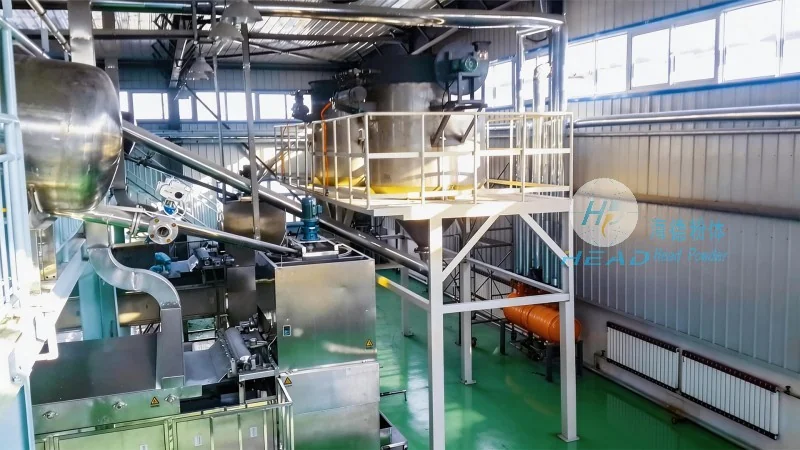
Gypsum Material Handling: An Overview
Gypsum material handling refers to the processes and technologies used to move gypsum from its source to its final destination. This can include raw gypsum from mines, processed gypsum for industrial applications, or finished gypsum products like drywall or plaster. The handling of gypsum involves various stages, from extraction and crushing to transportation and storage. Each stage requires tailored equipment to manage the material's physical properties, such as its density, moisture content, and particle size.
The Importance of Proper Gypsum Handling
Efficient gypsum material handling is essential for several reasons. First, it minimizes material loss and degradation during transport, which can significantly impact the quality and cost of the final product. Second, proper handling reduces the risk of accidents and injuries in industrial settings, as gypsum can be dusty and pose health hazards if not managed correctly. Third, optimized handling systems enhance overall operational efficiency, allowing businesses to meet production targets and improve profitability.
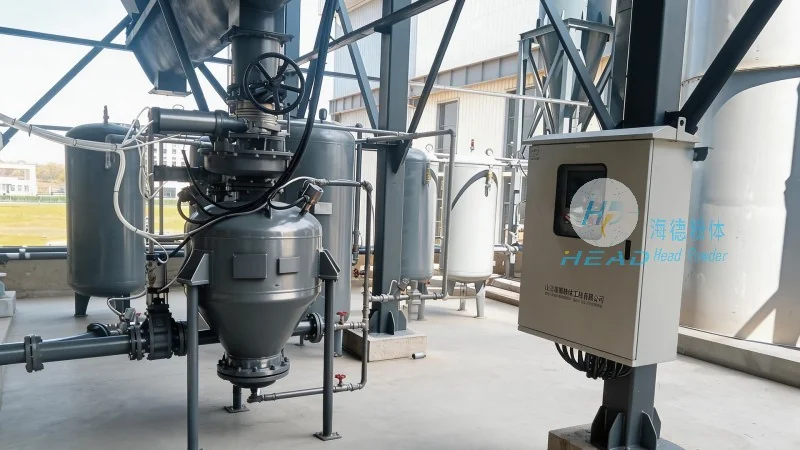
Key Design Principles for Gypsum Material Handling Systems
The design of gypsum material handling systems is guided by several key principles that ensure safety, efficiency, and cost-effectiveness. These principles include:
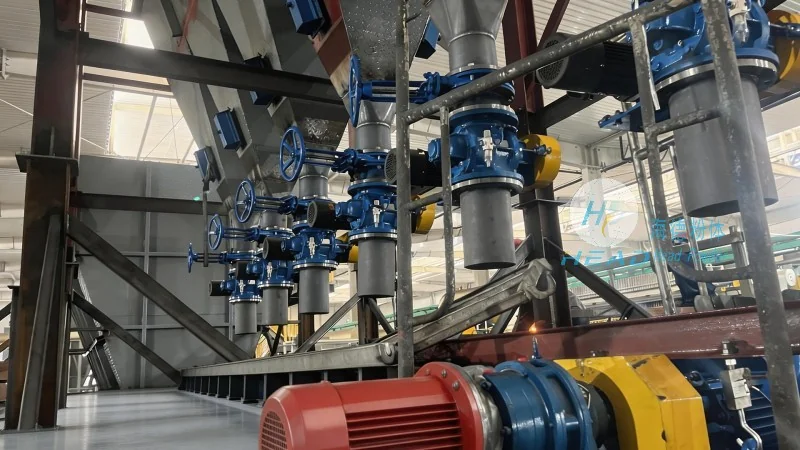
- Material Compatibility: Equipment must be designed to handle gypsum's unique characteristics, such as its tendency to stick to surfaces or its sensitivity to moisture. This often involves using materials like stainless steel or specialized coatings to prevent buildup and ensure smooth operation.
- Flow Optimization: The system should be designed to maintain consistent material flow, minimizing blockages and ensuring that the material moves smoothly through the entire process. This may involve using inclined chutes, vibration feeders, or conveyor systems tailored to the material's properties.
- Control and Monitoring: Modern gypsum handling systems incorporate advanced control and monitoring technologies to track the material's movement, detect issues in real-time, and adjust operations as needed. This helps prevent downtime and ensures that the system operates at peak efficiency.
- Safety and Environmental Considerations: Designing with safety in mind is paramount. This includes implementing dust control measures, ensuring proper ventilation, and using equipment that minimizes the risk of accidents. Additionally, environmental regulations must be considered to minimize the impact of gypsum handling on the surrounding environment.
Equipment Used in Gypsum Material Handling
Several types of equipment are commonly used in gypsum material handling systems. These include:
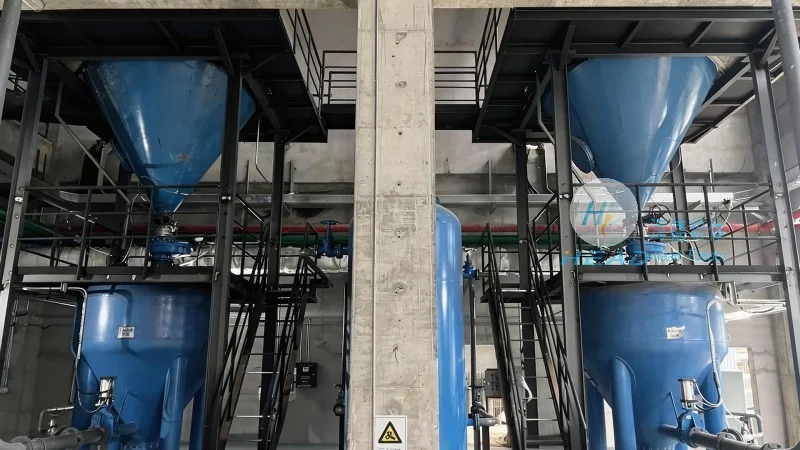
- Conveyors: Belt conveyors and screw conveyors are widely used to transport gypsum over short to medium distances. Belt conveyors are particularly effective for handling bulk quantities, while screw conveyors are suitable for vertical or inclined transport.
- Feeders: Vibration feeders and rotary valves are used to control the flow of gypsum from storage bins or hoppers to processing equipment. These devices ensure a consistent and controlled feed rate, preventing overloading or underloading of downstream machinery.
- Chutes and Hoppers: Chutes are used to guide gypsum from one level to another, while hoppers store the material before it is fed into processing equipment. The design of these components must account for the material's flow characteristics to avoid blockages.
- Crushers and Grinders: For raw gypsum, crushers and grinders are used to reduce the material to a manageable size. This step is critical for improving the material's flowability and preparing it for further processing.
Case Study: HeadPowder's Gypsum Handling Solutions
Shandong HeadPowder Engineering Co., Ltd., a leading provider of industrial material handling solutions, specializes in designing and manufacturing systems tailored to the unique needs of gypsum processing. With years of experience in the industry, HeadPowder has developed a range of equipment and systems that adhere to the key design principles outlined above. Their solutions are designed to enhance efficiency, reduce downtime, and ensure compliance with safety and environmental regulations.
Conclusion
Gypsum material handling is a complex but essential process that requires careful consideration of the material's properties and the specific needs of the application. By adhering to fundamental design principles and utilizing specialized equipment, businesses can achieve efficient and safe transport of gypsum. Companies like Shandong HeadPowder Engineering Co., Ltd. play a vital role in providing the expertise and technology needed to optimize gypsum handling systems, ultimately contributing to the success of industrial operations.