Understanding the mechanisms and principles behind ceramic powder material handling is crucial for industries that rely on the efficient transport and processing of these fine materials. This article explores the fundamental aspects of ceramic powder handling systems, focusing on the design principles that ensure optimal performance and reliability.
Ceramic Powder Material Handling: An Overview
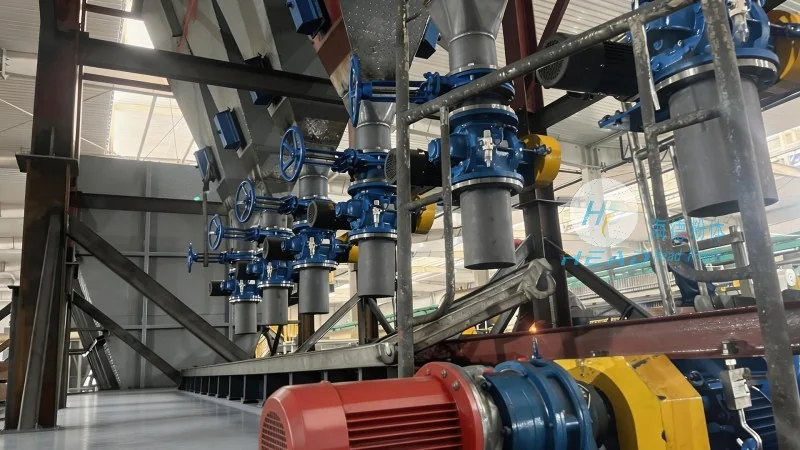
Ceramic powders, such as those used in the production of ceramics, glass, and advanced materials, require specialized handling due to their fine particle size, high density, and potential for static charge. Effective material handling systems must address these challenges to prevent agglomeration, dust generation, and equipment damage. The primary goal of ceramic powder handling is to move these powders from storage to processing equipment, such as mixers, extruders, or kilns, with minimal loss and maximum efficiency.
Key Design Principles for Ceramic Powder Handling Systems
The design of ceramic powder handling systems is guided by several critical principles to ensure safe and efficient operation. These principles include controlling particle flow, managing static electricity, preventing contamination, and optimizing energy consumption. Each component of the system, from hoppers and feeders to conveyors and storage vessels, is engineered to meet these standards.
Component Analysis: Hoppers and Feeders
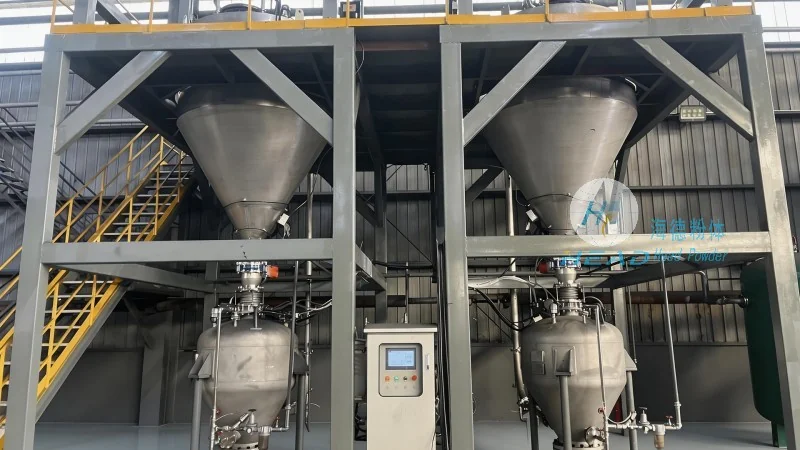
At the heart of any ceramic powder handling system are hoppers and feeders, which are responsible for storing and dispensing the powder. Hoppers are typically designed with conical or rectangular shapes to facilitate uniform flow. The choice of material for these components is critical, as ceramic powders can be abrasive and corrosive. Stainless steel, carbon steel, or specialized alloys are commonly used to withstand wear and chemical exposure. Feeders, such as rotary valves or vibratory feeders, regulate the flow rate of the powder, ensuring a consistent feed to downstream equipment. The design of these components must account for the powder's density and flow characteristics to prevent clogging or uneven discharge.
Conveying Systems: Belt and Screw Conveyors
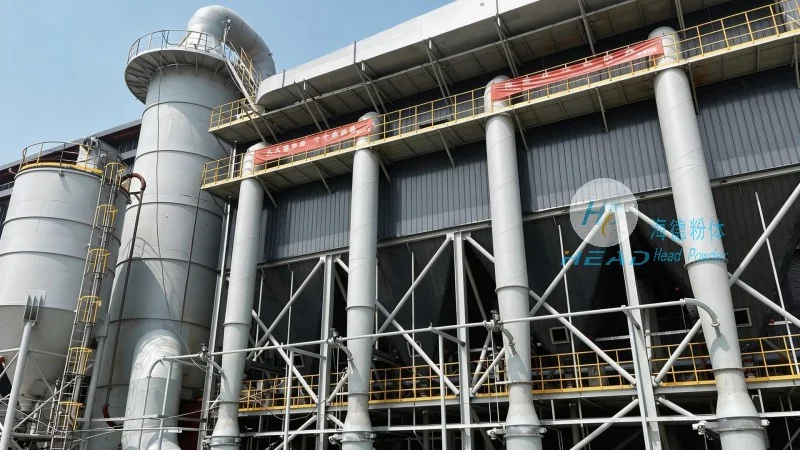
Conveyors are essential for transporting ceramic powders over longer distances. Belt conveyors are widely used for horizontal or slight incline transport, while screw conveyors are ideal for vertical or inclined movement. The selection of a conveyor type depends on the powder's properties, such as its bulk density and tendency to stick to surfaces. Belt conveyors often use smooth or cleated belts to prevent powder buildup, while screw conveyors may incorporate flights to prevent material from slipping. Proper maintenance of these systems is vital to avoid blockages and ensure continuous operation.
Static Control and Dust Management
Ceramic powders are often prone to generating static electricity, which can lead to powder explosion hazards or equipment malfunctions. Effective static control measures, such as grounding systems, ionizers, or anti-static additives, are incorporated into the design. Additionally, dust management is critical to maintain a safe working environment and prevent contamination of the powder. Enclosed systems, dust collection hoods, and filtration systems are commonly used to contain dust and ensure compliance with safety regulations.
Material Handling Safety and Compliance
Handling ceramic powders involves adhering to strict safety and regulatory standards. The design of the system must consider factors such as explosion-proofing, dust explosion prevention, and occupational health guidelines. Regular inspections and maintenance are necessary to ensure the system operates within safe parameters. Compliance with local and international standards, such as those from the Occupational Safety and Health Administration (OSHA) or the European Union's Machinery Directive, is essential for industrial applications.
Case Study: HeadPowder Engineering's Approach
Shandong HeadPowder Engineering Co., Ltd., a leading provider of ceramic powder handling solutions, specializes in designing and manufacturing systems tailored to the unique needs of the ceramic industry. With facilities located in Shandong, China, HeadPowder leverages advanced engineering and materials science to develop robust and efficient handling systems. Their expertise includes customizing hoppers, feeders, and conveyors to handle various types of ceramic powders, from fine alumina to complex composite powders. The company's commitment to quality and safety ensures that their systems meet the highest industry standards, providing reliable performance for clients worldwide.
Conclusion: The Importance of Proper Design
In conclusion, ceramic powder material handling systems rely on a combination of engineering principles and specialized components to ensure efficient and safe operation. The design principles discussed, including flow control, static management, and dust containment, are critical for optimizing performance and minimizing risks. For industries that depend on ceramic powders, investing in a well-designed handling system is essential for maintaining productivity and ensuring long-term success. As a trusted partner in the field, Shandong HeadPowder Engineering Co., Ltd. continues to advance the technology and practices that support the efficient handling of ceramic materials.




