HeadPowder, a leading manufacturer based in Shandong, China, specializes in the design and production of advanced pneumatic conveying equipment tailored for the handling of potassium chloride powder. This article delves into the fundamental principles behind these systems and highlights the key working scene characteristics that make them indispensable in industrial applications.
Principle of Pneumatic Conveying for Potassium Chloride
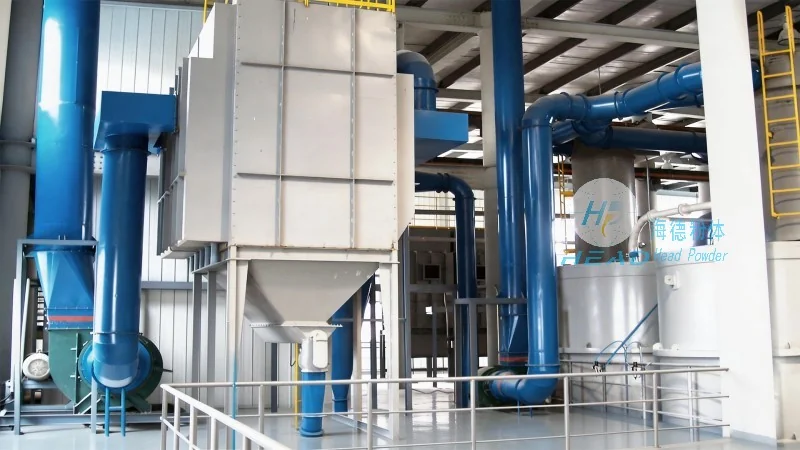
The core principle of pneumatic conveying for potassium chloride powder involves the use of a pressurized air stream to transport bulk material through a pipeline system. Unlike traditional mechanical conveying methods, which rely on mechanical components like belts or screws, pneumatic systems utilize air pressure to move the powder, offering advantages such as reduced maintenance, lower energy consumption, and the ability to handle fine powders without the risk of clogging or degradation. The system typically consists of a blower or compressor that generates the necessary air pressure, a hopper to store the potassium chloride, a feed device to introduce the powder into the pipeline, and a receiver to collect the material at the destination. The air and powder mixture travels through the pipeline, with the air providing the kinetic energy required to move the powder particles. The design of the conveying line, including the diameter, length, and bends, is critical to ensure efficient and reliable transport. HeadPowder’s engineering expertise ensures that the system is optimized for the specific properties of potassium chloride, such as its particle size, density, and flowability, to achieve maximum conveying efficiency and minimal pressure drop.
Working Scene Characteristics of Potassium Chloride Pneumatic Conveying
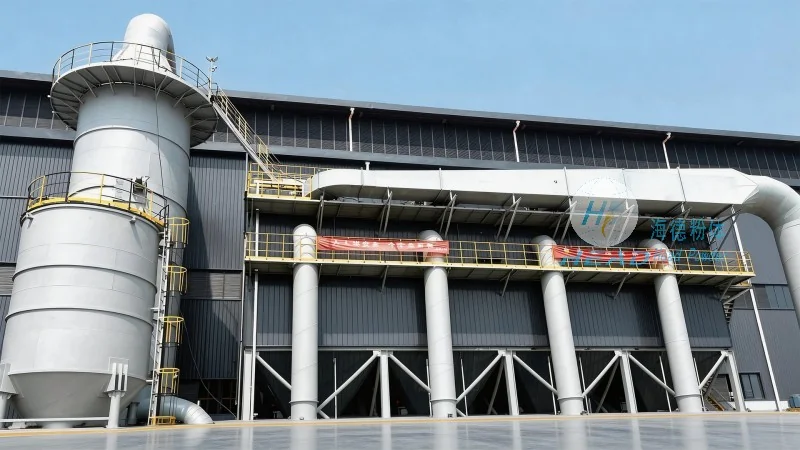
The working scene characteristics of potassium chloride powder pneumatic conveying systems are tailored to meet the unique demands of industrial environments where this material is processed. One of the primary characteristics is the ability to handle fine, free-flowing powders without the need for pre-drying or conditioning, which is essential for maintaining the purity and quality of the potassium chloride. The systems are designed to operate in a closed-loop environment, minimizing dust emissions and ensuring compliance with environmental regulations. This is particularly important in facilities where air quality is a concern, as the enclosed system prevents the release of fine particles into the atmosphere. Another key characteristic is the flexibility in conveying distances and heights. Pneumatic systems can transport potassium chloride over long distances and at varying elevations, making them suitable for applications where the material needs to be moved from a storage silo to a processing plant or from one production line to another. The ability to integrate with existing infrastructure is also a significant advantage, as the systems can be easily connected to existing pipelines or processing equipment without major modifications. HeadPowder’s solutions are designed to be scalable, allowing them to accommodate varying production volumes and operational requirements. Whether for small-scale operations or large industrial plants, the systems can be customized to meet specific needs, ensuring optimal performance and cost-effectiveness.
Advantages of Potassium Chloride Pneumatic Conveying Equipment
Implementing a pneumatic conveying system for potassium chloride offers several distinct advantages over traditional conveying methods. Firstly, the system reduces the risk of material contamination, as the enclosed pipeline prevents exposure to external elements or contaminants. This is crucial for potassium chloride, which is often used in food, pharmaceutical, and agricultural applications where purity is paramount. Secondly, the equipment minimizes labor costs and operational downtime. Unlike mechanical systems that require regular maintenance and replacement of parts, pneumatic systems have fewer moving components, leading to lower maintenance requirements and longer service life. The reduced need for manual handling also enhances workplace safety, as the system eliminates the need for workers to handle large quantities of powder manually. Additionally, the energy efficiency of pneumatic conveying is higher compared to mechanical systems, as the air pressure can be adjusted to match the conveying requirements, resulting in lower energy consumption and operational costs. HeadPowder’s advanced designs further enhance these advantages by incorporating features such as variable speed drives and intelligent control systems that optimize the air flow and material transport, ensuring consistent performance and minimal waste.
Application Scenarios and Operational Considerations
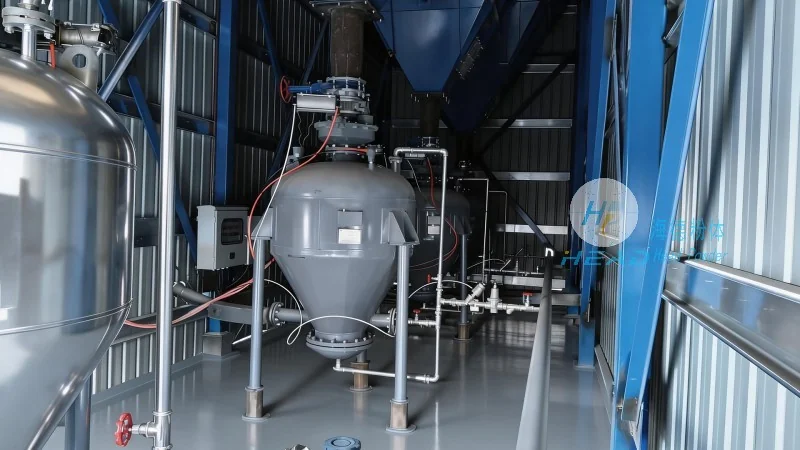
Potassium chloride pneumatic conveying systems are widely used in various industrial applications, including chemical manufacturing, food processing, and agricultural production. In chemical plants, the systems are used to transport potassium chloride from storage silos to reactors or processing units, ensuring a continuous and controlled supply of raw material. The ability to handle large volumes of powder efficiently makes these systems ideal for high-throughput production lines. In food processing facilities, the systems are employed to convey potassium chloride used as a food additive or in the production of fertilizers, where maintaining product purity is critical. The closed-loop design of the system prevents cross-contamination and ensures that the material remains in a controlled environment throughout the conveying process. In agricultural settings, the systems are used to transport potassium chloride used as a fertilizer, where the ability to handle bulk materials over long distances is essential for efficient distribution. Operational considerations for these systems include the selection of appropriate air pressure and flow rates, which depend on the particle size and density of the potassium chloride. HeadPowder’s engineering team provides comprehensive support in selecting the right system parameters to ensure optimal performance. Additionally, the system’s design must account for the potential for material buildup or blockages, which can occur due to the fine nature of the powder. Proper maintenance, including regular cleaning and inspection of the pipeline and components, is essential to prevent these issues and ensure continuous operation. The systems are also designed to be compatible with existing safety protocols, such as explosion-proof features, to meet the stringent safety requirements of industrial environments.




