Tri-metal material pneumatic conveying is a key technology in powder handling, enabling the transport of materials like lithium cobalt oxide, lithium iron phosphate, and other tri-metal compounds used in battery manufacturing. This method uses air or gas to move powders through a pipeline system, offering advantages such as non-contact transport, which prevents contamination and damage to sensitive materials. The process involves creating a pressure differential between the conveying line and the ambient environment, allowing the material to be carried by the airflow.
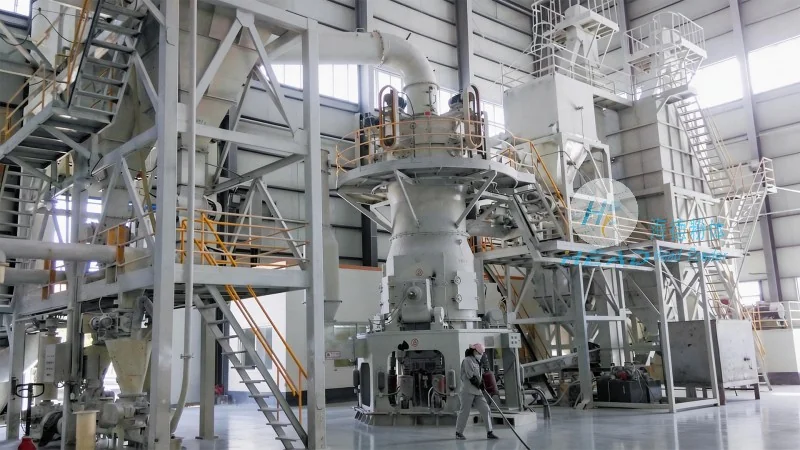
Classification of Pneumatic Conveying Systems
Pneumatic conveying systems are typically classified based on the pressure used to transport materials. The two main categories are pressure and vacuum systems. Pressure systems operate at pressures above atmospheric, using a positive pressure to push material through the pipeline. These systems are suitable for long-distance transport and high-volume applications. Vacuum systems, on the other hand, operate at pressures below atmospheric, using a negative pressure to draw material into the pipeline. They are ideal for short-distance transport and applications where material is to be collected from multiple sources.
Within these categories, subtypes exist based on the flow characteristics. Dilute phase systems use high velocities to keep particles suspended in the air stream, making them efficient for long-distance and high-speed transport. Dense phase systems, conversely, use lower velocities and higher particle concentrations, which reduces particle degradation and is suitable for handling fragile or valuable materials. The choice between dilute and dense phase depends on the material properties, such as particle size, density, and moisture content, as well as the required transport distance and system capacity.
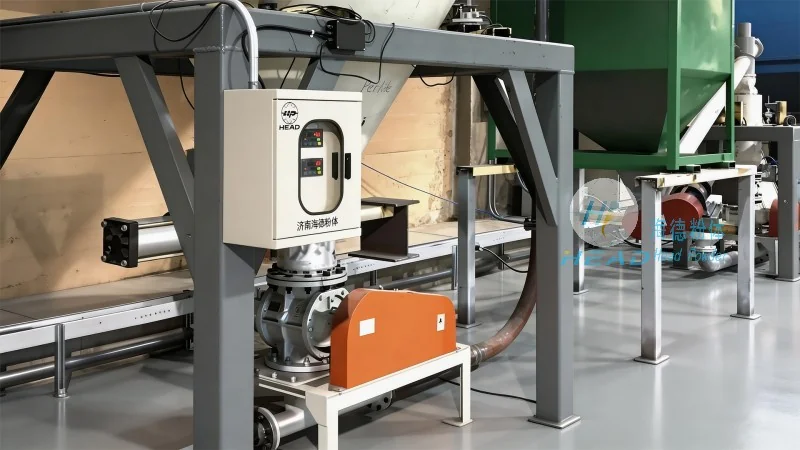
Applications of Pneumatic Conveying in Tri-metal Material Handling
The application of pneumatic conveying in tri-metal material handling is critical for the battery industry. For instance, in the production of lithium cobalt oxide (LCO), pneumatic conveying is used to transport raw materials from storage silos to processing lines. This ensures a continuous and clean supply of material, minimizing downtime and maintaining product quality. Similarly, for lithium iron phosphate (LFP) production, the technology is employed to move the phosphate ore and other additives to the mixing and grinding stages. The non-contact nature of pneumatic conveying prevents contamination from metal tools or equipment, which is crucial for maintaining the purity of the final battery material.
In the context of Shandong HeadPowder Engineering Co., Ltd., the company specializes in designing and manufacturing pneumatic conveying systems tailored for tri-metal materials. Their expertise lies in understanding the unique properties of these materials, such as their sensitivity to moisture and oxidation, and designing systems that mitigate these risks. The company's solutions include custom pipeline designs, air filtration systems to remove contaminants, and control systems to ensure consistent material flow. These systems are installed in battery manufacturing plants across China, supporting the efficient and safe handling of tri-metal powders.
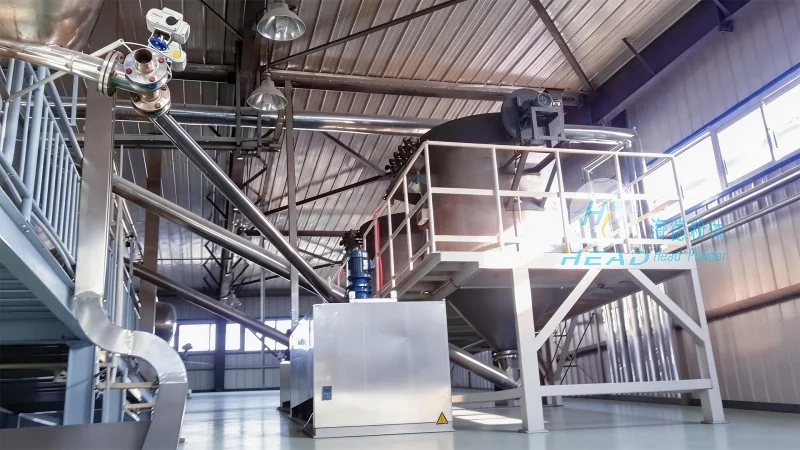
Key Considerations for Pneumatic Conveying of Tri-metal Materials
When implementing pneumatic conveying for tri-metal materials, several factors must be considered to ensure optimal performance and material integrity. First, the material's particle size distribution is critical. Coarse particles may cause blockages in the pipeline, while fine particles can lead to high pressure drops and increased energy consumption. Therefore, pre-processing steps such as screening and classification are often necessary to ensure uniform particle size. Second, moisture content is a major concern, as moisture can cause clumping and degrade the material's performance. Proper drying and moisture control systems are essential to maintain material quality. Third, the system's air filtration and cleaning mechanisms are vital to prevent contamination from dust and other particles, which can affect the final product's purity. Regular maintenance and cleaning of the conveying lines and filters are required to ensure long-term system efficiency.
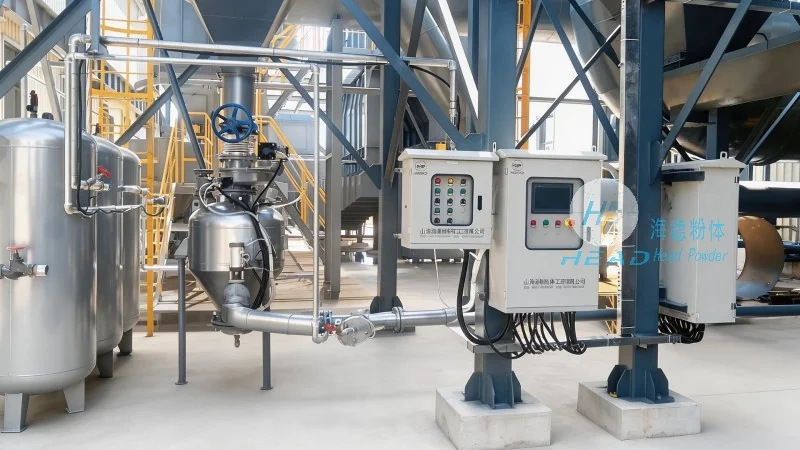
Advantages and Challenges of Pneumatic Conveying for Tri-metal Materials
Pneumatic conveying offers several advantages for handling tri-metal materials. The primary benefit is the non-contact transport, which eliminates the risk of contamination and material degradation. This is particularly important for high-value tri-metal compounds used in advanced battery technologies. Additionally, the technology allows for flexible and compact system designs, as the conveying lines can be installed in various configurations to fit plant layouts. The systems also provide real-time monitoring capabilities, enabling operators to track material flow and detect any issues promptly. However, there are challenges associated with this technology. One major challenge is the high energy consumption, especially for long-distance or high-volume transport. This can increase operational costs and may require energy-efficient solutions, such as using high-efficiency blowers or optimizing system design. Another challenge is the potential for particle degradation due to high velocities or turbulence, which can affect the material's performance. Proper system design and material selection are necessary to mitigate these issues.
Conclusion
Tri-metal material pneumatic conveying is a sophisticated and essential technology in the battery manufacturing industry. By understanding the classification of pneumatic conveying systems and their applications, as well as the key considerations and challenges, manufacturers can select the most appropriate system for their needs. Companies like Shandong HeadPowder Engineering Co., Ltd. play a crucial role in providing tailored solutions that ensure the efficient, safe, and high-quality handling of tri-metal materials. As the demand for advanced battery technologies grows, the importance of reliable pneumatic conveying systems will continue to increase, supporting the sustainable development of the battery industry.




