Understanding the fundamentals of magnesium oxide pneumatic conveying is crucial for industries dealing with this specific material. Pneumatic conveying systems are widely used to transport dry bulk materials like magnesium oxide through the use of air or gas as the conveying medium. This method offers an efficient and flexible solution for material handling, especially when dealing with materials that are dusty, abrasive, or require a controlled environment.
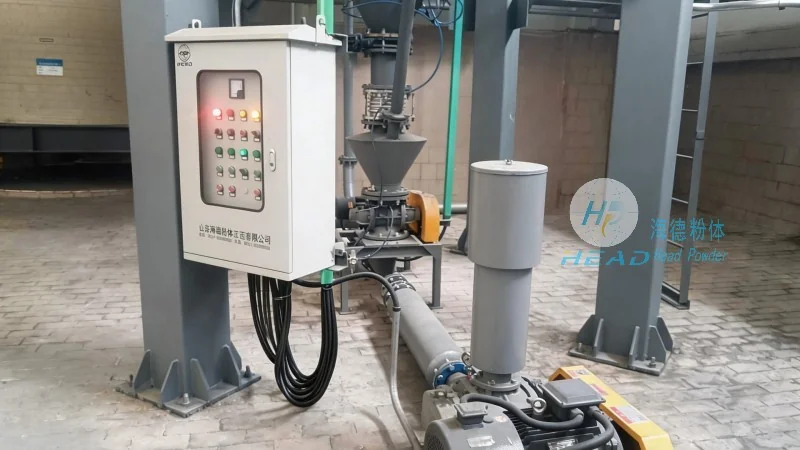
Introduction to Magnesium Oxide Pneumatic Conveying
Magnesium oxide, commonly known as magnesia, is a white crystalline solid that is widely used in various industrial applications, including refractory materials, pharmaceuticals, and chemical processing. When transporting magnesium oxide via pneumatic conveying, the system must be designed to handle the material's properties, such as its fine particle size and potential reactivity. The choice of conveying system depends on factors like the distance, volume, and required flow rate, as well as the material's characteristics.
About HeadPowder: Shandong HeadPowder Engineering Co., Ltd.
HeadPowder, or Shandong HeadPowder Engineering Co., Ltd., is a leading provider of pneumatic conveying solutions, specializing in the handling of specialized materials like magnesium oxide. With headquarters in Shandong, China, the company has established itself as a trusted partner for industries seeking reliable and efficient material transport systems. HeadPowder's expertise lies in designing and manufacturing customized pneumatic conveying equipment tailored to meet the unique needs of each client.
Classification of Pneumatic Conveying Systems
Pneumatic conveying systems are generally classified into two main categories: aspiration (or suction) systems and pressure (or blow) systems. Each type has distinct characteristics and is suitable for different applications.
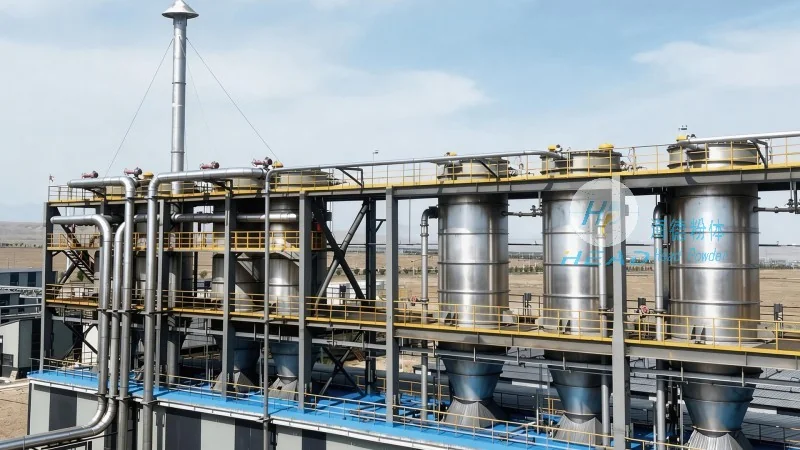
Aspiration systems use a vacuum to draw material from a source, such as a hopper or silo, into the conveying line. These systems are ideal for short to medium distances and low to moderate material flow rates. They are commonly used in applications where the material is to be transported from a single point to a single destination, such as in small-scale production lines.
Pressure systems, on the other hand, use compressed air to push material through the conveying line. These systems are suitable for longer distances and higher material flow rates. They are often used in large-scale industrial operations where the material needs to be transported over significant distances or to multiple destinations.
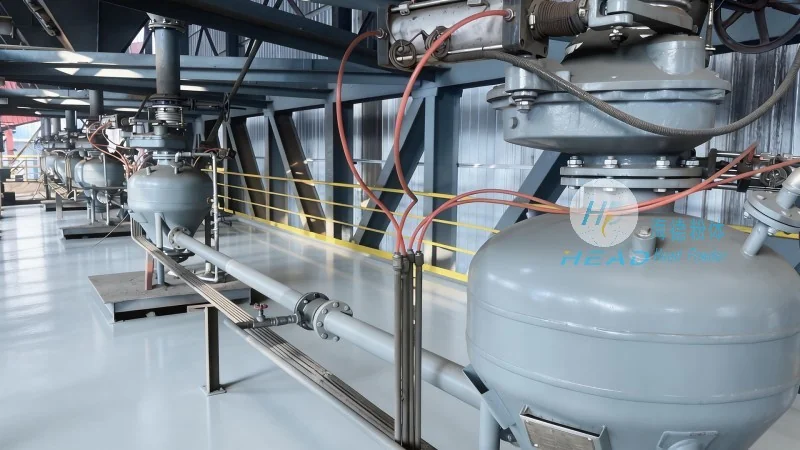
Applications of Magnesium Oxide Pneumatic Conveying
Magnesium oxide pneumatic conveying is widely applied in several industries due to its ability to handle fine particles and maintain material integrity. Some of the key applications include:
- Refractory Industry: Magnesium oxide is a primary component in refractory bricks and linings used in high-temperature furnaces. Pneumatic conveying ensures that the material is transported without degradation, maintaining its quality for use in critical applications.
- Pharmaceutical Manufacturing: In the pharmaceutical sector, magnesium oxide is used as an antacid and in various formulations. Pneumatic conveying systems are used to transport the material from storage to processing equipment, ensuring a clean and hygienic process.
- Chemical Processing: The chemical industry utilizes magnesium oxide in the production of other chemicals, such as magnesium chloride and magnesium carbonate. Pneumatic conveying facilitates the efficient transport of the material between processing stages, improving overall production efficiency.
- Food Industry: In some food applications, magnesium oxide is used as a food additive. Pneumatic conveying systems are employed to transport the material in a controlled manner, ensuring compliance with food safety regulations.
Advantages of Using Pneumatic Conveying for Magnesium Oxide
There are several advantages to using pneumatic conveying for magnesium oxide transport. These include:
- Efficiency and Speed: Pneumatic conveying systems can transport materials quickly over long distances, reducing handling time and increasing production throughput.
- Reduced Downtime: By eliminating the need for manual handling or mechanical conveyors, pneumatic systems minimize the risk of material spillage and downtime, leading to higher operational efficiency.
- Flexibility: Pneumatic conveying systems can be easily reconfigured to handle different material types or to adjust to changes in production volume.
- Low Maintenance: Compared to traditional conveyors, pneumatic systems have fewer moving parts, resulting in lower maintenance costs and longer equipment life.
- Environmental Benefits: Pneumatic conveying reduces the need for dust collection systems and minimizes material waste, contributing to a cleaner and more sustainable operation.
Conclusion
Magnesium oxide pneumatic conveying is a vital technology in industries that rely on the efficient transport of fine bulk materials. By understanding the classification and applications of pneumatic conveying systems, companies can select the most appropriate solution for their specific needs. With the expertise of companies like Shandong HeadPowder Engineering Co., Ltd., industries can ensure reliable and efficient material handling, enhancing their overall operational performance.




