Light calcium powder, also known as precipitated calcium carbonate (PCC), is a widely used industrial material in various sectors such as papermaking, plastics, and coatings. The efficient handling and transportation of this fine powder are crucial for maintaining production efficiency and product quality. Pneumatic conveying, a method that uses air to transport bulk materials, has become a preferred solution for light calcium powder due to its advantages in dust control, flexibility, and cost-effectiveness. This article aims to explore the concept of light calcium powder pneumatic conveying, categorize different types of pneumatic conveying systems, and discuss their practical applications.
Introduction to Light Calcium Powder Pneumatic Conveying
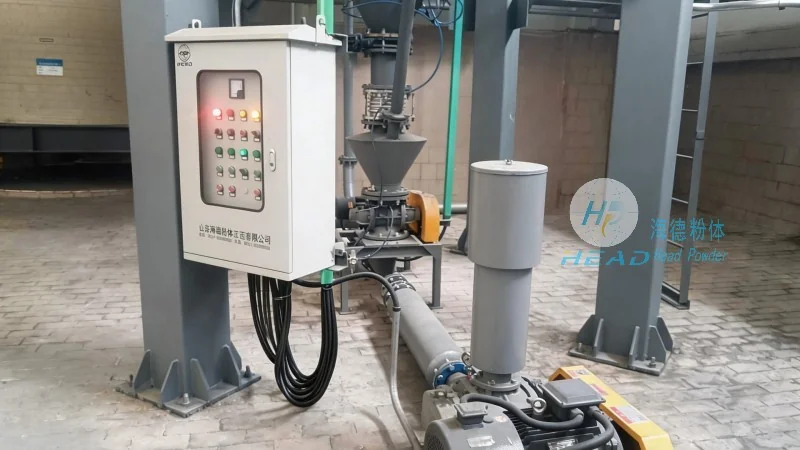
Light calcium powder is a fine, white powder with a particle size typically ranging from 0.1 to 10 micrometers. Its light density and fine particle characteristics make traditional bulk material handling methods, such as belt conveyors or screw conveyors, less effective due to issues like dust generation, material segregation, and equipment wear. Pneumatic conveying offers a solution by transporting the powder in a sealed system using air pressure or vacuum, ensuring a clean and efficient process. The core principle involves creating a flow of air that entrains the powder particles, moving them from the source to the destination without direct contact with external environments.
Types of Pneumatic Conveying Systems for Light Calcium Powder
There are primarily two types of pneumatic conveying systems used for light calcium powder: dilute-phase and dense-phase systems. Each type has distinct characteristics and is suitable for different operational requirements.
Dilute-Phase Pneumatic Conveying
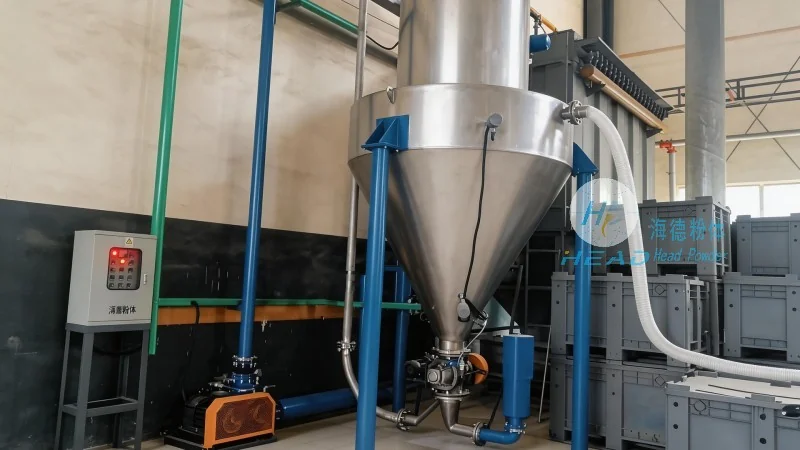
Dilute-phase systems operate at relatively high air velocities, typically between 20 to 40 meters per second, with a low powder-to-air ratio (usually less than 0.1 kg of powder per kg of air). This method is suitable for short to medium-distance transportation (up to several hundred meters) and is commonly used for light calcium powder due to its simplicity and lower capital cost. The system consists of a blower, a hopper, a conveying line, and a receiver. The powder is fed into the hopper and then drawn into the conveying line by the air flow, which carries the powder to the destination. Dilute-phase systems are effective for applications where the powder needs to be transported quickly and with minimal pressure drop across the system.
Dense-Phase Pneumatic Conveying
Dense-phase systems, also known as low-velocity or pressure conveying, operate at lower air velocities (around 5 to 15 meters per second) with a higher powder-to-air ratio (typically 0.5 to 1.5 kg of powder per kg of air). This method is ideal for longer distances (up to several kilometers) and for materials that are more sensitive to pressure or particle degradation. The system uses a positive pressure blower to push the powder through the conveying line, often with the assistance of a pulse jet or a rotary valve to maintain a consistent flow. Dense-phase systems are particularly useful for light calcium powder when the material needs to be transported with less risk of degradation or when the destination is far from the source.
Key Components of Pneumatic Conveying Systems for Light Calcium Powder
Regardless of the type of system, several key components are essential for the efficient operation of pneumatic conveying systems for light calcium powder. These components work together to ensure the smooth transport of the material.
Feeding and Hopper Systems
The feeding system is responsible for introducing the light calcium powder into the conveying line. For dilute-phase systems, a simple hopper with a rotary valve or a star feeder is often used. The hopper must be designed to prevent material bridging or caking, which can disrupt the flow. For dense-phase systems, a more robust feeding mechanism, such as a positive displacement pump or a pressure feeder, may be required to maintain a consistent flow rate. The hopper is typically equipped with a dust collection system to prevent airborne powder from escaping and to maintain a clean environment.
Air Handling Units
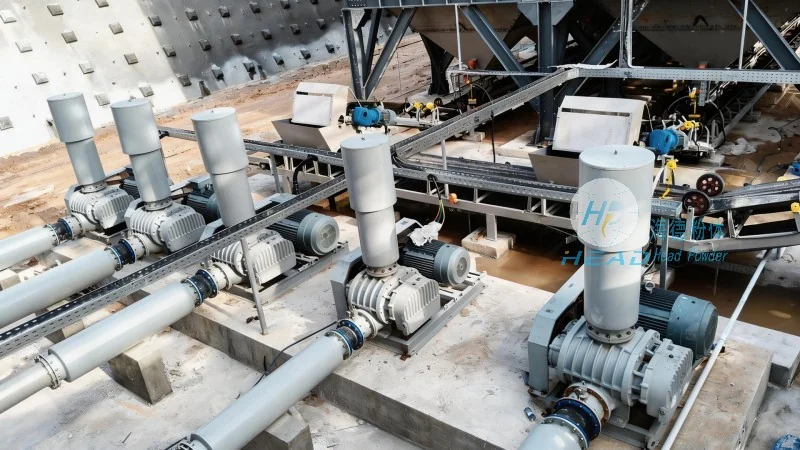
The air handling unit, which includes the blower or compressor, is the heart of the pneumatic conveying system. The choice of equipment depends on the system type and the required pressure and flow rate. For dilute-phase systems, a centrifugal blower is commonly used due to its high airflow capacity and low cost. For dense-phase systems, a positive displacement blower or a piston compressor is preferred because it can generate higher pressure to push the powder through the system. The blower must be matched with the conveying line size and the material characteristics to ensure optimal performance and energy efficiency.
Conveying Lines and Filters
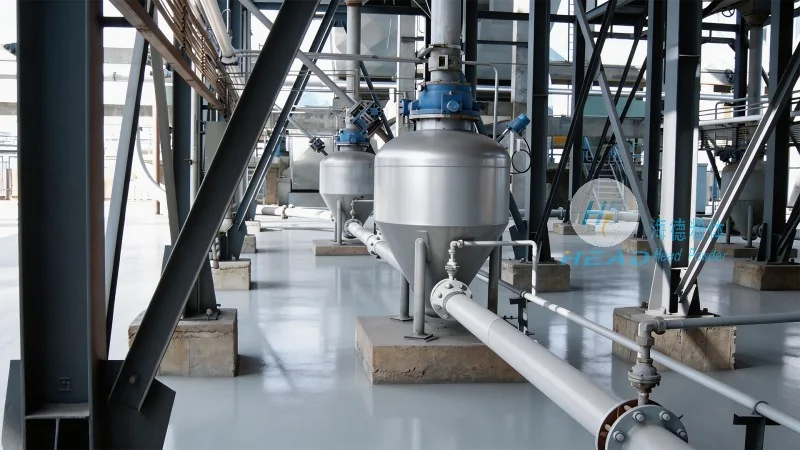
The conveying line is the main channel through which the light calcium powder is transported. It is typically made of stainless steel or other corrosion-resistant materials to prevent material buildup and to maintain a clean system. The line diameter is selected based on the required flow rate and the air velocity. For dilute-phase systems, a larger diameter line is used to reduce pressure drop and to accommodate higher air velocities. For dense-phase systems, a smaller diameter line is often used to maintain higher pressure and to minimize energy consumption. The line is equipped with filters at both the inlet and outlet to prevent powder from escaping and to protect the air handling unit from dust accumulation.
Receiving and Discharge Systems
The receiving system is responsible for collecting the light calcium powder at the destination. It typically includes a hopper or a silo with a discharge valve. The system must be designed to handle the incoming powder flow without causing blockages or material segregation. For dilute-phase systems, a simple hopper with a rotary valve is sufficient. For dense-phase systems, a more robust receiving hopper with a pressure relief valve may be required to manage the higher pressure. The discharge system is crucial for ensuring the smooth release of the powder from the receiving hopper into the final process or storage container.
Applications of Pneumatic Conveying in Light Calcium Powder Handling
Pneumatic conveying systems are widely used in various applications involving light calcium powder due to their efficiency and flexibility. The following are some common applications where these systems are employed.
Papermaking Industry
In the papermaking industry, light calcium powder is used as a filler to improve the whiteness, opacity, and strength of paper. Pneumatic conveying is used to transport the powder from storage silos to the paper machine. The system ensures that the powder is delivered to the machine at a consistent rate, which is critical for maintaining the quality of the paper. The sealed system also prevents dust from contaminating the paper production environment, which is essential for meeting environmental regulations.
Plastics and Rubber Industry
Light calcium powder is used as a filler in the production of plastics and rubber products to reduce costs and improve mechanical properties. Pneumatic conveying is used to transport the powder from storage to the mixing equipment. The system allows for precise control of the powder addition rate, which is important for achieving the desired properties in the final product. The sealed system also prevents dust from contaminating the mixing equipment and the production environment.
Coatings and Paint Industry
In the coatings and paint industry, light calcium powder is used as a pigment or a filler to improve the opacity and durability of the coatings. Pneumatic conveying is used to transport the powder from storage to the mixing tanks. The system ensures that the powder is added to the coating at the correct concentration, which is crucial for achieving the desired performance characteristics. The sealed system also prevents dust from affecting the quality of the coatings and the production environment.
Food and Pharmaceutical Industry
Light calcium powder is used as a food additive or a filler in the pharmaceutical industry. Pneumatic conveying is used to transport the powder from storage to the processing equipment. The system must be designed to meet strict hygiene and safety standards, as the powder is in direct contact with food or pharmaceutical products. The sealed system and stainless steel components ensure that the powder is handled in a clean and safe manner, preventing contamination and ensuring product quality.




