Understanding the fundamentals of fertilizer granule pneumatic conveying is crucial for optimizing material handling in agricultural and industrial settings. This process involves the transport of granular materials, such as fertilizer, through a pipeline using air or gas as the conveying medium. The technology offers significant advantages over traditional methods, including reduced labor costs, improved safety, and enhanced efficiency in material movement.
Introduction to Fertilizer Granule Pneumatic Conveying
Fertilizer granule pneumatic conveying is a method of transporting solid particles, particularly fertilizer granules, through a pipeline system using air or gas as the motive force. Unlike mechanical conveying systems that rely on belts, screws, or buckets, pneumatic conveying utilizes pressure differentials or vacuum to move materials. This approach is especially beneficial for handling bulk materials like fertilizers, which are often dusty and require careful management to prevent contamination and ensure consistent quality.
Key Components of a Pneumatic Conveying System
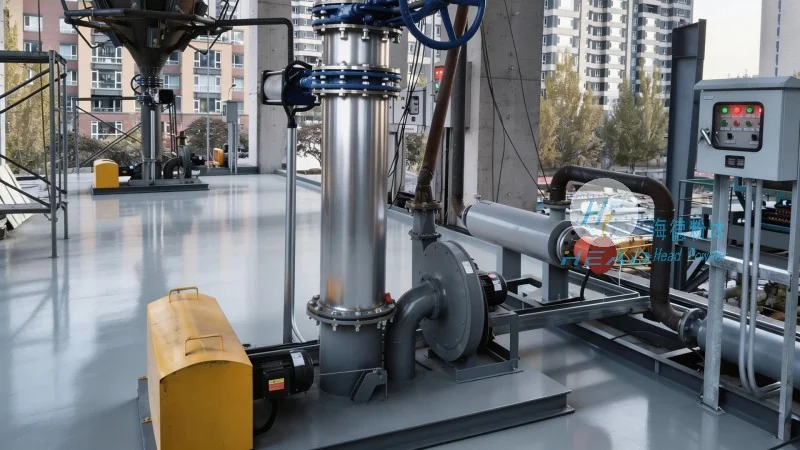
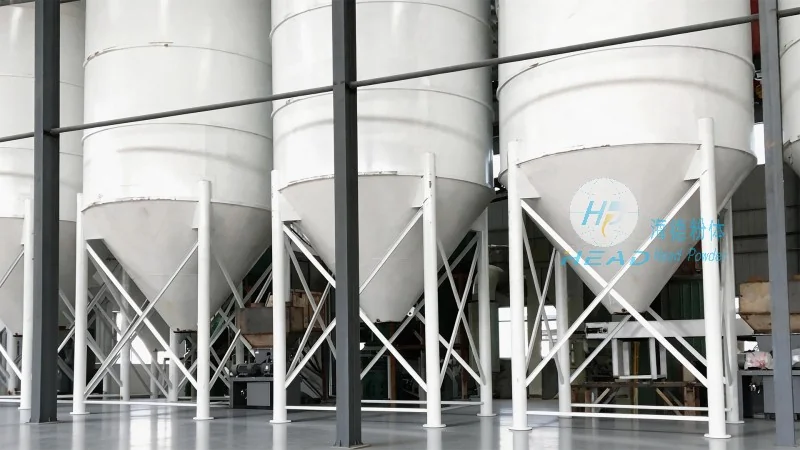
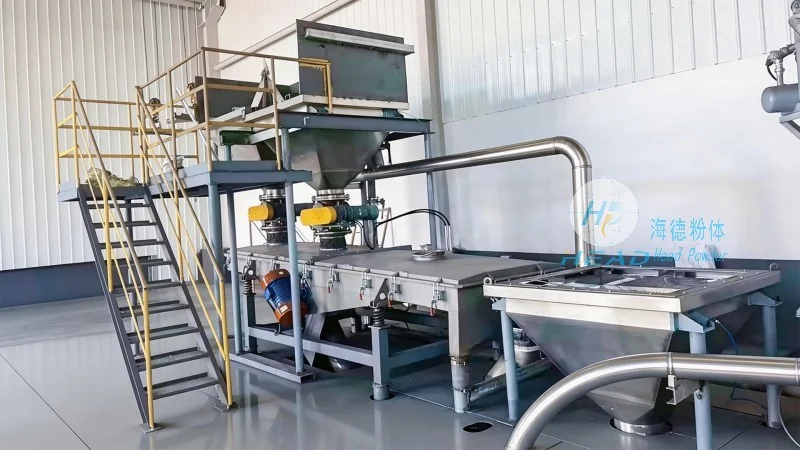
A typical fertilizer granule pneumatic conveying system consists of several critical components that work in tandem to ensure efficient material transport. These components include the hopper or feed hopper, which holds the fertilizer granules; the conveyor line, which is the pipeline through which the material travels; the air mover (either a positive displacement blower or a vacuum pump); and the control system that regulates the flow of air and material. Additionally, the system may include filters, cyclones, and silos to manage dust and store the conveyed material. Each component plays a vital role in maintaining the system's performance and ensuring the safe and efficient transport of fertilizer granules.
Classification of Pneumatic Conveying Systems
Pneumatic conveying systems are broadly classified into two main categories: pressure and vacuum systems. Pressure systems operate by forcing air or gas into the pipeline, creating positive pressure that pushes the material forward. These systems are commonly used for short to medium distances and for materials that are free-flowing and non-abrasive. On the other hand, vacuum systems use a vacuum pump to create a negative pressure in the pipeline, drawing the material into the system. Vacuum systems are often preferred for longer distances and for handling materials that are more cohesive or have higher moisture content. Within these categories, further sub-classifications exist based on the pressure differentials and the type of air mover used, such as dilute-phase and dense-phase systems.
Applications of Pneumatic Conveying in Fertilizer Handling
The application of pneumatic conveying in fertilizer handling spans various stages of the supply chain, from production and storage to distribution and application. In fertilizer manufacturing plants, pneumatic conveying is used to transport raw materials, such as nitrogen, phosphorus, and potassium compounds, to the processing units. During the granulation process, the system efficiently moves the wet or dry granules to the drying and screening stages. In storage facilities, pneumatic conveying helps in transferring fertilizer from silos to loading areas, ensuring a continuous supply to trucks or ships. For agricultural use, the technology enables the precise and safe application of fertilizers to fields, reducing waste and improving nutrient distribution. The versatility of pneumatic conveying makes it an essential technology in modern fertilizer handling operations.
Advantages of Using Pneumatic Conveying for Fertilizer Granules
Implementing a pneumatic conveying system for fertilizer granules offers numerous advantages over traditional mechanical methods. One of the primary benefits is the reduction in labor costs, as automated systems minimize the need for manual handling and loading. Additionally, pneumatic conveying enhances safety by eliminating the need for workers to handle heavy or dusty materials directly. The technology also improves material quality by preventing contamination and ensuring consistent particle size distribution. Furthermore, pneumatic systems are more flexible, allowing for changes in material flow rates and distances without significant modifications to the infrastructure. These advantages make pneumatic conveying a preferred choice for many fertilizer manufacturers and distributors.
Challenges and Considerations in Fertilizer Granule Pneumatic Conveying
While pneumatic conveying offers significant benefits, it also presents certain challenges that must be addressed to ensure optimal performance. One of the main challenges is the handling of abrasive materials, which can cause wear and tear on the pipeline and components. Proper material selection and regular maintenance are essential to mitigate this issue. Another consideration is the management of dust and air quality, as fertilizer granules can be fine and produce dust during transport. Effective filtration and dust collection systems are necessary to comply with environmental regulations and maintain a safe working environment. Additionally, the system's energy consumption must be managed efficiently, as pneumatic conveying can be energy-intensive, especially for long-distance or high-volume applications. Addressing these challenges requires careful system design and regular monitoring to ensure long-term reliability and efficiency.
Case Study: HeadPowder's Pneumatic Conveying Solutions
Shandong HeadPowder Engineering Co., Ltd., a leading provider of material handling solutions, specializes in designing and manufacturing customized pneumatic conveying systems for fertilizer granules. With a focus on innovation and quality, HeadPowder has developed advanced systems that address the unique challenges of fertilizer handling. For example, their pressure pneumatic conveying system for granular fertilizers has been successfully implemented in several fertilizer plants, improving material throughput and reducing operational costs. The company's expertise in material flow analysis and system integration ensures that each solution is tailored to the specific needs of the client, whether it's for short-distance transport within a plant or long-distance distribution to remote locations. HeadPowder's commitment to customer satisfaction and technical excellence has made them a trusted partner in the fertilizer industry.




