Shandong HeadPowder Engineering Co., Ltd., a leading enterprise in the field of powder handling technology, specializes in the design and implementation of advanced pneumatic conveying systems for silicomanganese powders. This article provides an in-depth exploration of the fundamental principles underlying such systems and highlights the key operational characteristics that define their effectiveness in various industrial applications.
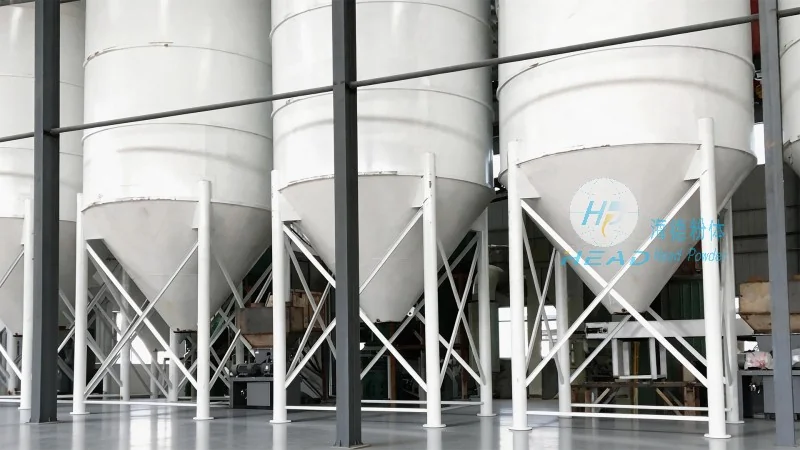
The Core Principle of Pneumatic Conveying for Silicomanganese Powders
The pneumatic conveying system for silicomanganese powders operates on the principle of transporting solid particles through a pipeline using a pressurized or vacuum air stream. In this system, silicomanganese powder is introduced into a hopper or feeder, where it is then fed into the conveying line. The air stream, typically generated by a blower or fan, creates a flow that lifts and transports the powder particles through the pipeline. The system can be categorized into two main types: dilute-phase and dense-phase conveying, each with distinct characteristics suited to different material properties and application requirements.
For silicomanganese powders, which often have a relatively fine particle size and moderate density, dilute-phase conveying is commonly employed. In this mode, the powder is suspended in the air stream as individual particles, allowing for high-velocity transport over long distances. The system utilizes a combination of pressure and velocity to maintain the powder in suspension, ensuring efficient and continuous movement. The blower or fan provides the necessary air pressure, while the pipeline design, including bends and fittings, is optimized to minimize pressure loss and maintain consistent flow rates. This principle enables the system to handle silicomanganese powders with minimal degradation, preserving the material's quality and preventing caking or agglomeration during transport.
Key Operational Characteristics and Performance Factors
The effectiveness of a silicomanganese powder pneumatic conveying system is determined by several critical operational characteristics that must be carefully managed to ensure optimal performance. These include the air velocity, pressure drop, and flow rate, all of which are directly related to the material's properties such as particle size distribution, bulk density, and moisture content. For silicomanganese powders, which typically have a particle size ranging from 10 to 200 microns, the air velocity must be maintained at a level that prevents particle settling while avoiding excessive wear on the pipeline and equipment.
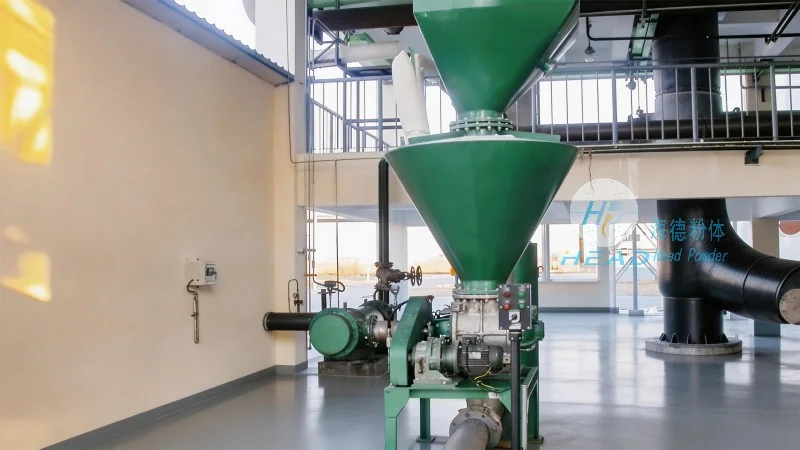
Pressure drop is another crucial factor, as it directly impacts the energy consumption and overall efficiency of the system. The design of the pipeline, including the use of smooth surfaces, appropriate pipe diameters, and minimal bends, is essential to minimize pressure losses. Additionally, the system's capacity, measured in terms of material throughput per hour, is a key performance indicator that depends on the blower's capacity and the system's layout. For industrial applications requiring high throughput, such as in steel production or chemical processing, the system must be scaled appropriately to meet the demand while maintaining stable operation.
Moisture content is also a significant consideration, as silicomanganese powders can be prone to caking when exposed to moisture. The pneumatic conveying system must be designed to minimize exposure to ambient conditions, with proper sealing and drying mechanisms if necessary. This helps to maintain the material's flowability and prevent blockages in the pipeline. Furthermore, the system's ability to handle variations in material feed rate is important, especially in dynamic industrial environments where production rates may fluctuate. The feeder and control systems are designed to adjust the flow rate in real-time, ensuring consistent material delivery to downstream processes.
Typical Work Scenarios and Application Examples
Silicomanganese powder pneumatic conveying systems are widely used in various industrial sectors, particularly in the steel and chemical industries, where the material is a critical component in the production of alloys and other metal products. One common application is in the steelmaking process, where silicomanganese is added to molten steel to deoxidize and adjust the carbon content. The pneumatic conveying system is used to transport the powder from storage silos to the furnace, ensuring a continuous and controlled supply of the material.
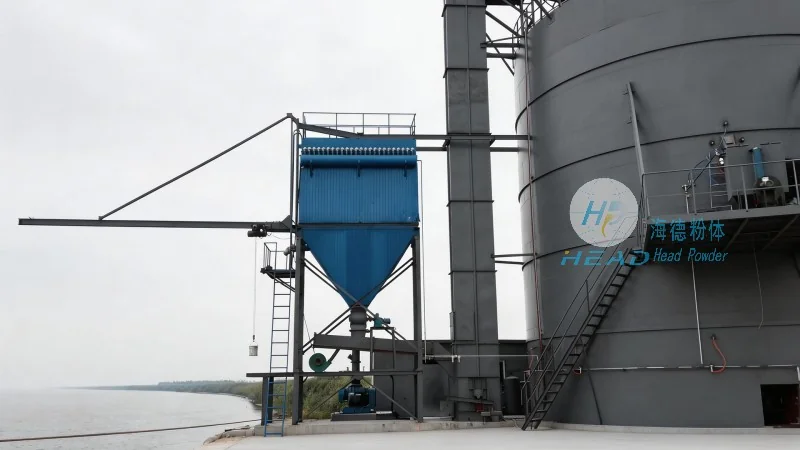
In the chemical industry, silicomanganese powders are used as a raw material in the production of silicon-based compounds and other specialty chemicals. The conveying system is integrated into the production line, transporting the powder from storage to processing equipment such as reactors or mixers. The system's ability to handle fine powders without degradation is particularly important in these applications, as the material's purity and particle size distribution directly impact the quality of the final product.
Another application scenario involves the use of silicomanganese powders in the manufacturing of battery materials, where the powder is used as an additive to improve the performance of lithium-ion batteries. The pneumatic conveying system is used to transport the powder to the battery production line, ensuring a consistent and high-quality feedstock. This application highlights the importance of maintaining the material's integrity during transport, as any contamination or degradation can affect the battery's performance and lifespan.
Additionally, the system is used in the production of ferroalloys, where silicomanganese is combined with other elements to produce alloys with specific properties. The conveying system is part of the production process, transporting the powder to the alloying furnace. The system's efficiency and reliability are critical in these applications, as any downtime or material loss can impact production schedules and costs.




