The desulfurization sodium bicarbonate material handling system is a critical component in modern industrial processes, particularly in power plants and chemical facilities where efficient material transport is essential for maintaining operational efficiency and environmental compliance. This system is designed to handle sodium bicarbonate, a key reagent in flue gas desulfurization (FGD) processes, ensuring smooth and reliable material movement from storage to processing units.
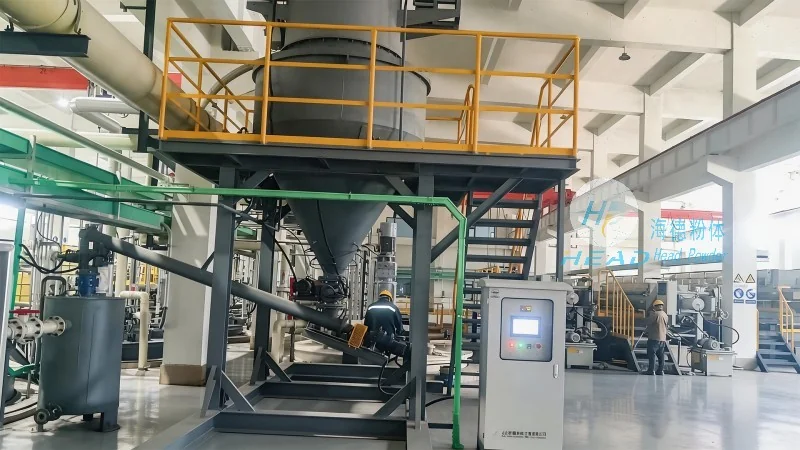
Principle of the Desulfurization Sodium Bicarbonate Material Handling System
The core principle of this system revolves around the integration of advanced material handling technologies tailored to the specific characteristics of sodium bicarbonate. The system typically comprises several key components, including storage silos, conveyor systems, feeding mechanisms, and control units. The storage silos are engineered to store large quantities of sodium bicarbonate, often under controlled conditions to prevent caking or degradation. From the silos, material is transferred to conveyor belts or pneumatic transport lines, which are optimized for the material's flow properties. Feeding mechanisms, such as rotary valves or screw conveyors, regulate the flow rate and ensure consistent material delivery to downstream processes. Control units, equipped with sensors and automation software, monitor parameters like pressure, flow rate, and temperature, adjusting operations in real-time to maintain system stability and prevent blockages or overloading.
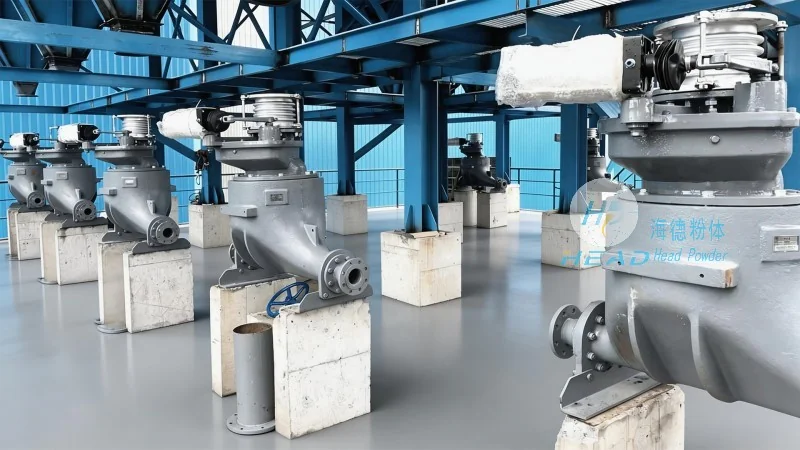
Working Scene Characteristics of the System
The working scene characteristics of the desulfurization sodium bicarbonate material handling system are defined by its application in high-capacity industrial environments, where reliability and efficiency are paramount. These systems are commonly deployed in power plants, particularly those utilizing wet FGD processes, where sodium bicarbonate is used as an absorbent to remove sulfur dioxide from flue gases. The system operates in continuous mode, supporting the steady supply of material required to maintain the desulfurization reaction. Key characteristics include high throughput capabilities, often ranging from several tons per hour to tens of tons per hour, depending on the plant's capacity. The system is also designed for durability and resistance to corrosion, as it operates in environments with high humidity and chemical exposure. Additionally, the system's modular design allows for easy integration with existing plant infrastructure, minimizing downtime during installation and maintenance.
Application Advantages and Operational Benefits
The desulfurization sodium bicarbonate material handling system offers several advantages that enhance operational performance and cost-effectiveness. By ensuring consistent and reliable material supply, the system helps maintain the efficiency of the desulfurization process, reducing the risk of equipment failure or environmental emissions. The automated control features improve operational safety by minimizing human intervention in hazardous material handling tasks. Furthermore, the system's energy-efficient design reduces operational costs, as it optimizes power consumption during material transport. The modular and scalable nature of the system allows plants to expand their capacity as needed, adapting to increasing demand for desulfurization services without significant capital investment.
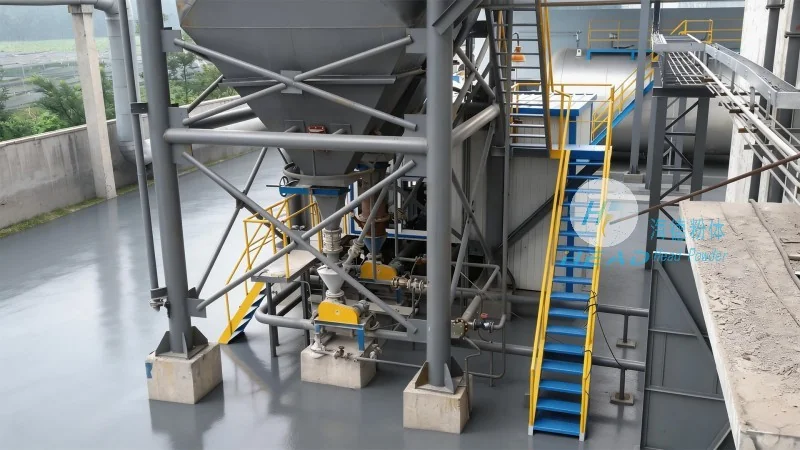
About Shandong HeadPowder Engineering Co., Ltd.
Shandong HeadPowder Engineering Co., Ltd., commonly known as headpowder, is a leading provider of industrial material handling solutions. With its headquarters in Shandong, China, the company specializes in designing and manufacturing systems tailored to the needs of power and chemical industries. headpowder's expertise lies in developing customized material handling systems that address the unique challenges of industrial processes, ensuring high performance, reliability, and compliance with industry standards. The company's commitment to innovation and quality has established it as a trusted partner for clients seeking efficient and sustainable material handling solutions.




