Anhydrous sodium sulfate, commonly referred to as Glauber's salt or anhydrous sodium sulfate, is a critical chemical compound utilized across diverse industrial sectors, including chemical manufacturing, pharmaceutical processing, and food processing. The efficient and reliable transportation of this substance is essential for maintaining operational efficiency and product quality. Understanding the underlying principles and operational characteristics of material handling systems designed for anhydrous sodium sulfate is therefore paramount for industries that rely on this chemical. Such systems must be engineered to handle the material's physical properties, such as its bulk density and potential to absorb moisture, while ensuring safety and compliance with industry standards.
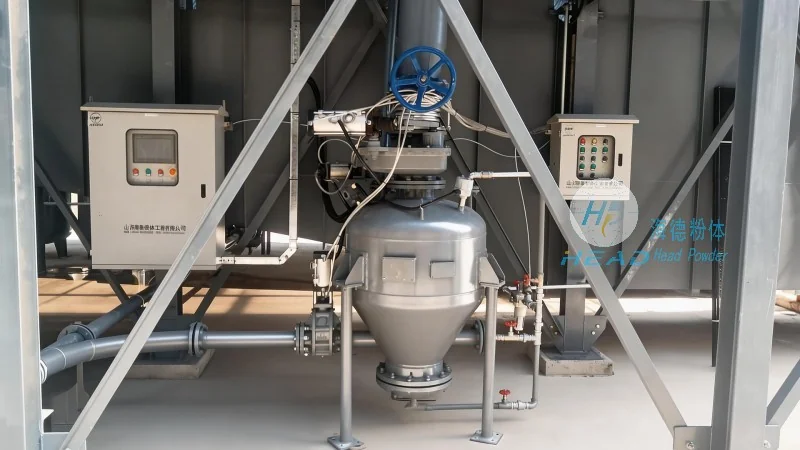
Core Principles of Anhydrous Sodium Sulfate Material Handling Systems
The fundamental principle of anhydrous sodium sulfate material handling systems revolves around the selection and integration of appropriate equipment to transport the material from storage to processing units or for distribution. Key components typically include feed hoppers, conveyors (e.g., screw conveyors, belt conveyors, or pneumatic conveyors), and control mechanisms. The choice of equipment is dictated by factors like the material's bulk density, required throughput, and the distance over which it needs to be transported. For example, screw conveyors are often employed for horizontal or slight incline transport due to their ability to handle bulk materials without the need for external power sources beyond the motor driving the screw. Belt conveyors are suitable for longer distances and higher throughput, providing a continuous and stable flow. Pneumatic conveyors are ideal for transporting fine powders or granules over moderate distances, utilizing air pressure to move the material through a pipeline. The control systems are designed to regulate the flow rate, ensuring consistent and safe operation.
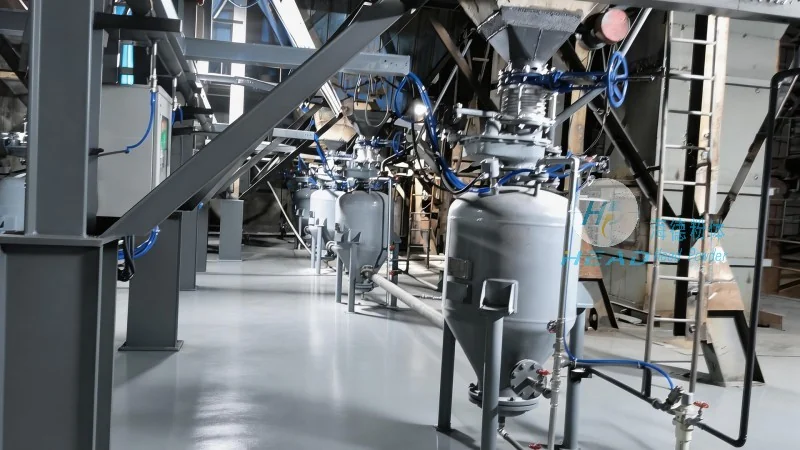
Operational Characteristics Across Different Working Environments
The working scene characteristics of anhydrous sodium sulfate material handling systems vary significantly based on the industrial application and the environment in which they operate. In chemical manufacturing plants, these systems are frequently integrated into larger production lines, where the material serves as a raw ingredient in processes like desiccant production, glass manufacturing, or as a component in detergents and cleaning agents. The systems must be engineered to prevent moisture absorption, as this can affect the material's performance and the overall efficiency of the production process. In pharmaceutical and food processing industries, stringent hygiene and safety standards are mandatory. This necessitates the use of stainless steel components, sealed conveyor systems, and advanced filtration to avoid contamination and maintain the material's sterile state. The working environment may also involve temperature control, as anhydrous sodium sulfate can be sensitive to temperature fluctuations, potentially leading to caking or clumping, which could disrupt the smooth operation of the conveyor system.
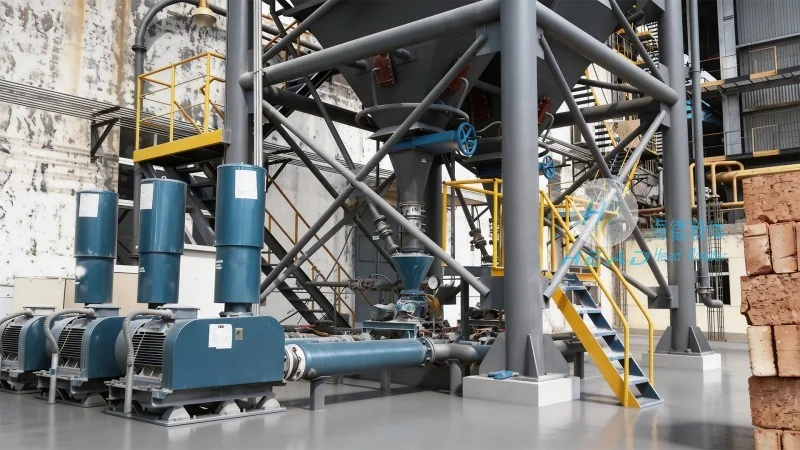
Customized Solutions by Shandong HeadPowder Engineering Co., Ltd.
Shandong HeadPowder Engineering Co., Ltd., operating under the brand name headpowder, specializes in the design, manufacturing, and installation of customized material handling systems tailored to the specific needs of clients. With a strong presence in China, particularly in Shandong province, the company leverages its local expertise and advanced engineering capabilities to deliver high-quality solutions for anhydrous sodium sulfate material handling. The technical advantages of their systems include robust construction, energy efficiency, and adaptability to various operational conditions. For instance, their screw conveyors are constructed from durable materials that resist corrosion and wear, ensuring long-term reliability. The control systems are equipped with sensors and monitoring tools that provide real-time data on material flow, allowing for immediate adjustments to maintain optimal performance. Additionally, the company offers comprehensive after-sales support, including maintenance services and technical assistance, to ensure that the systems operate at peak efficiency throughout their service life.




