The pneumatic conveying system developed by Shandong HeadPowder Engineering Co., Ltd. is a specialized equipment designed for the efficient transportation of coke and limestone powder. This system is essential in industrial settings where bulk material handling is required, ensuring safe, reliable, and cost-effective material transfer. The system integrates advanced engineering principles and robust construction to meet the demanding requirements of modern manufacturing processes.
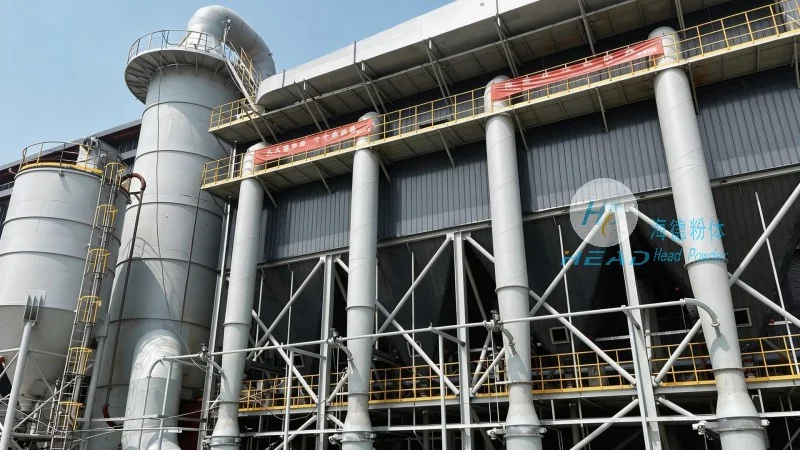
Company Overview: Shandong HeadPowder Engineering Co., Ltd.
HeadPowder, as the company name indicates, specializes in powder engineering solutions. Headquartered in Shandong, China, the company has established itself as a leading provider of pneumatic conveying systems and related industrial equipment. With years of experience in the field, HeadPowder combines technical expertise with customer-centric approaches to deliver high-quality products that enhance operational efficiency and reduce costs for clients across various industries.
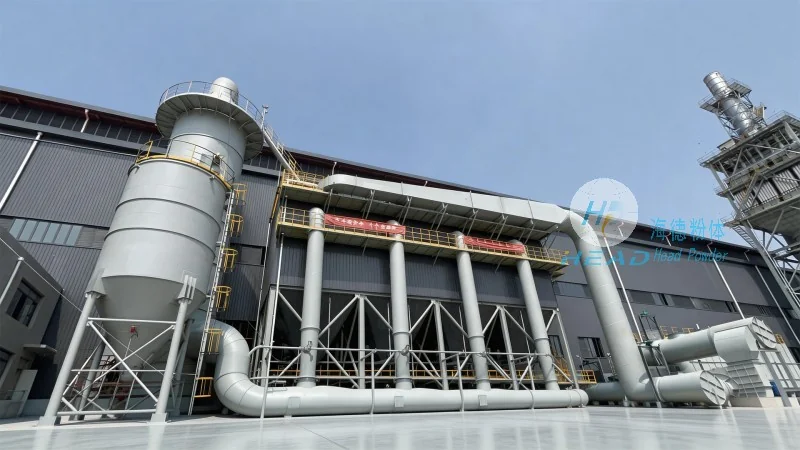
The Working Principle of the Pneumatic Conveying System
The core working principle of the coke and limestone powder pneumatic conveying system involves utilizing compressed air to transport bulk materials through a pipeline network. The system operates by creating a pressure differential between the material feed point and the discharge point. As compressed air is introduced into the system, it lifts and propels the powder particles through the pipeline, ensuring smooth and continuous flow. The design incorporates features such as airlocks, cyclones, and filters to maintain material integrity and prevent dust emissions, making it an environmentally friendly solution for material handling.
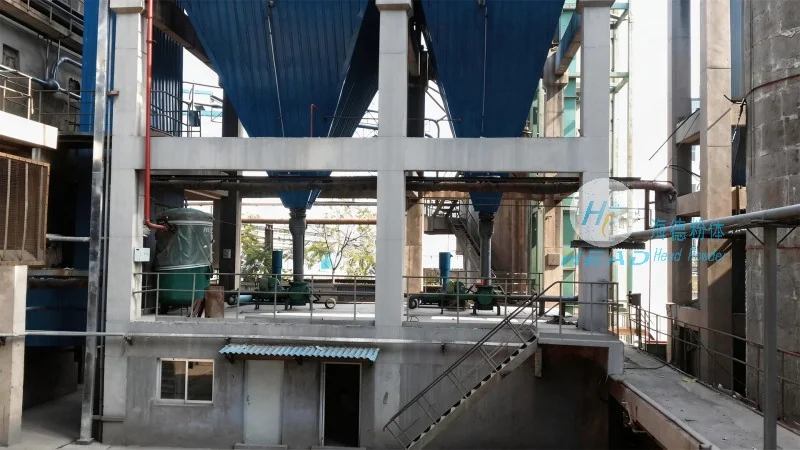
Operation Process of the System
The operation process of the HeadPowder pneumatic conveying system for coke and limestone powder begins with the loading of the material into the hopper. The material is then fed into the system via a feeder, which controls the flow rate to match the conveying requirements. Compressed air is supplied to the pipeline, creating a positive pressure that moves the powder through the system. The material travels through the pipeline, passing through various components like bends, elbows, and expansion joints, all designed to minimize pressure loss and ensure efficient transport. At the discharge end, the material is separated from the air using a cyclone separator or a filter, and the clean powder is collected in a storage bin or directly fed into the next production stage. The system is equipped with safety features and monitoring devices to ensure stable operation and prevent any potential issues during the conveying process.
Key Components and Their Functions
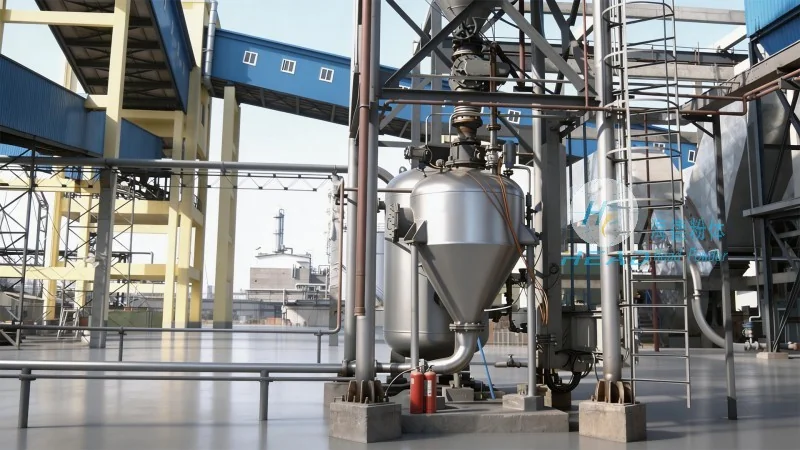
The pneumatic conveying system consists of several key components, each playing a critical role in the overall operation. The main components include the material hopper, feeder, air compressor, pipeline system, airlock valves, cyclone separator, and filter. The material hopper stores the coke and limestone powder, providing a consistent feed to the system. The feeder regulates the flow rate of the material, ensuring a steady supply to the conveying pipeline. The air compressor generates the necessary compressed air pressure to move the powder. The pipeline network connects all components and transports the material from the feed point to the discharge point. Airlock valves are used to control the flow of material and prevent backflow. The cyclone separator separates the powder from the air, allowing the powder to be collected while the air is discharged back to the system or released. The filter removes any remaining dust particles from the air, ensuring compliance with environmental regulations.
Advantages of the Pneumatic Conveying System
Implementing a pneumatic conveying system for coke and limestone powder offers several advantages over traditional material handling methods. Firstly, it provides a dust-free and clean operation, reducing the risk of respiratory issues and contamination in the workplace. Secondly, the system is highly efficient, with minimal material loss and low maintenance requirements. The enclosed pipeline design prevents material spillage and environmental pollution, making it an environmentally friendly solution. Additionally, the system can handle a wide range of material properties, including different particle sizes and moisture contents, without compromising performance. The automated operation of the system reduces labor costs and increases production throughput, making it a cost-effective solution for industrial applications. Finally, the system is flexible and can be easily integrated into existing production lines, allowing for seamless material transfer and process optimization.




