For industries dealing with dry pebbles, efficient material handling is crucial. The dry pebble pneumatic conveying system, developed by Shandong HeadPowder Engineering Co., Ltd., offers a reliable solution for transporting pebbles without the need for traditional mechanical conveyors. This system leverages air pressure to move materials, ensuring minimal wear and tear on equipment while maintaining high throughput rates. Understanding its operation process and working principle is essential for optimizing performance and ensuring longevity of the system.
Key Components of the System
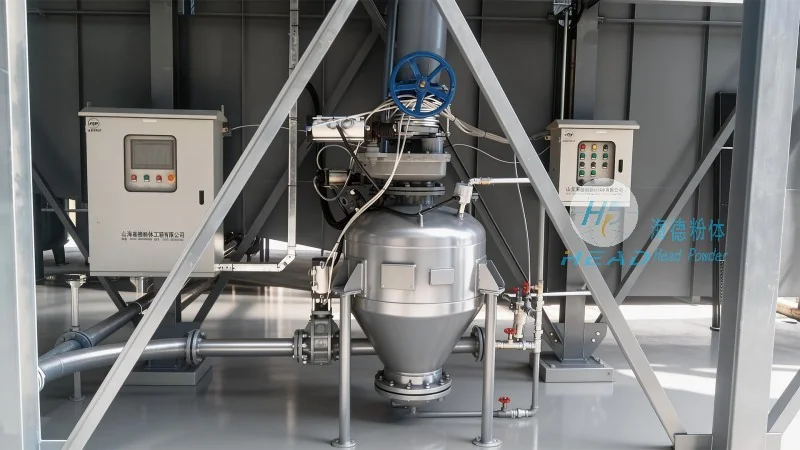
The dry pebble pneumatic conveying system consists of several critical components that work in tandem to facilitate material transport. These include the hopper, which serves as the storage and feeding unit; the air compressor, responsible for generating the necessary air pressure; the pipeline network that transports the pebbles; and the discharge unit where materials are released. Each component is designed to withstand the abrasive nature of pebbles, ensuring durability and consistent performance. The system also incorporates a filter and separator to maintain air quality and prevent material buildup in the pipeline.
Operation Process: Step-by-Step
The operation of the dry pebble pneumatic conveying system follows a systematic process. Initially, pebbles are fed into the hopper from a storage silo or directly from a processing unit. The air compressor then activates, generating a flow of compressed air that enters the pipeline. As air flows through the system, it carries the pebbles along the pipeline, moving them from the inlet to the discharge point. The velocity of the air is carefully controlled to ensure that the pebbles are conveyed without causing excessive wear on the pipeline or components. At the discharge end, the air and pebbles are separated, with the pebbles being collected in a designated container and the air being filtered and recirculated if necessary.
Working Principle: Air-Driven Conveyance
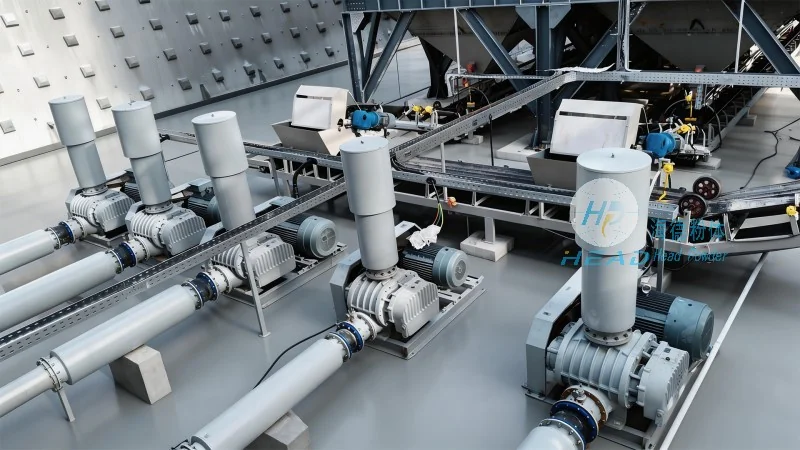
The core working principle of the dry pebble pneumatic conveying system is based on the use of air as the conveying medium. This method, known as pneumatic conveying, relies on the pressure difference created by the air compressor to move materials. The system operates under either positive pressure (where air is forced into the pipeline) or negative pressure (where air is drawn out of the pipeline). For dry pebbles, positive pressure systems are more common as they provide better control over material flow and reduce the risk of dust contamination. The air velocity is maintained at a level that is sufficient to keep the pebbles suspended and transported efficiently, while minimizing energy consumption. The system's design ensures that the air flow is consistent and stable, preventing blockages and ensuring smooth operation.
Advantages of the Dry Pebble Pneumatic Conveying System
Compared to traditional mechanical conveyors, the dry pebble pneumatic conveying system offers several advantages. First, it eliminates the need for moving parts in the conveying line, reducing maintenance requirements and extending the lifespan of the equipment. Second, the system is highly flexible, allowing for changes in the conveying route without major modifications. Third, it provides a dust-free environment, which is beneficial for maintaining air quality and ensuring worker safety. Additionally, the system can handle a wide range of pebble sizes and types, making it suitable for various industrial applications. The energy efficiency of the system, combined with its low operational costs, makes it an attractive option for long-term material handling solutions.
Application Scenarios
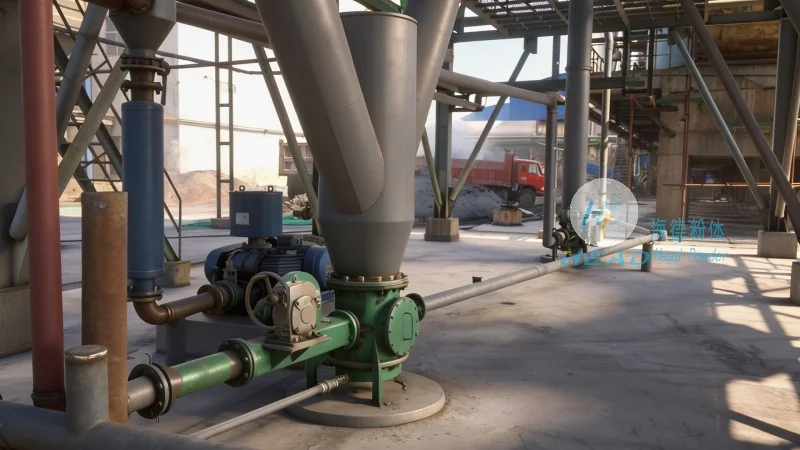
The dry pebble pneumatic conveying system is widely used in industries such as mining, construction, and agriculture. In mining operations, it is used to transport crushed pebbles from processing plants to storage facilities or for further processing. In construction, it helps in moving pebbles for road construction and landscaping projects. In agriculture, it can be used to transport pebbles for soil improvement or as a component in fertilizer production. The system's adaptability and efficiency make it a preferred choice for applications where traditional conveyors may be impractical or inefficient.
Maintenance and Longevity
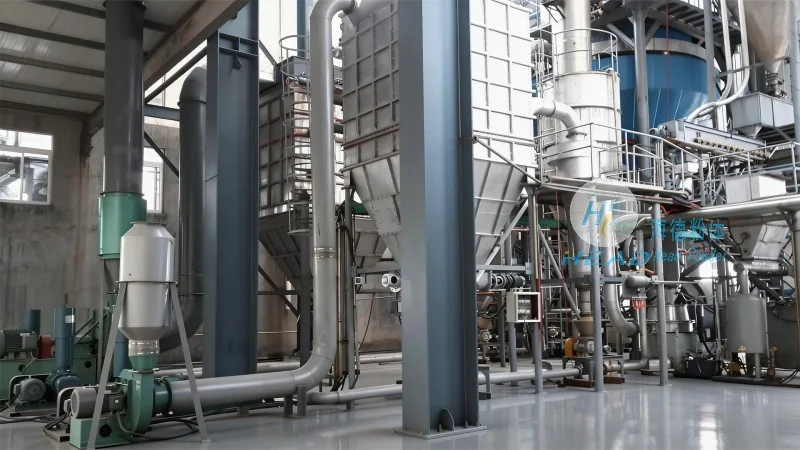
To ensure the optimal performance and longevity of the dry pebble pneumatic conveying system, regular maintenance is essential. This includes checking the air compressor for proper operation, inspecting the pipeline for any signs of wear or damage, and cleaning the filter and separator regularly. The system's components are designed to be durable and resistant to abrasion, but regular maintenance helps to prevent premature failure and costly repairs. Shandong HeadPowder Engineering Co., Ltd. provides comprehensive maintenance services to ensure that the system operates at peak efficiency, minimizing downtime and maximizing productivity.
Conclusion
The dry pebble pneumatic conveying system by Shandong HeadPowder Engineering Co., Ltd. represents a sophisticated and efficient solution for material handling in industries dealing with dry pebbles. By understanding its operation process and working principle, users can optimize the system's performance, ensure its longevity, and achieve high throughput rates. The system's advantages, including reduced maintenance, flexibility, and energy efficiency, make it a valuable asset for any industrial operation. With proper maintenance and operation, the dry pebble pneumatic conveying system can provide reliable and cost-effective material transport for years to come.




