Long-distance material handling equipment plays a crucial role in modern industrial operations, enabling efficient and reliable transportation of goods over extended distances. This equipment is designed to address the challenges of transporting materials in various industrial settings, where traditional methods may be insufficient or inefficient. The principles behind these systems involve advanced engineering and technology to ensure optimal performance and safety. Such equipment is essential for industries that require the movement of materials over significant distances, such as manufacturing, construction, and logistics. The ability to handle large volumes of materials while maintaining speed and accuracy is a key advantage of these systems, making them indispensable in today's fast-paced industrial environments.
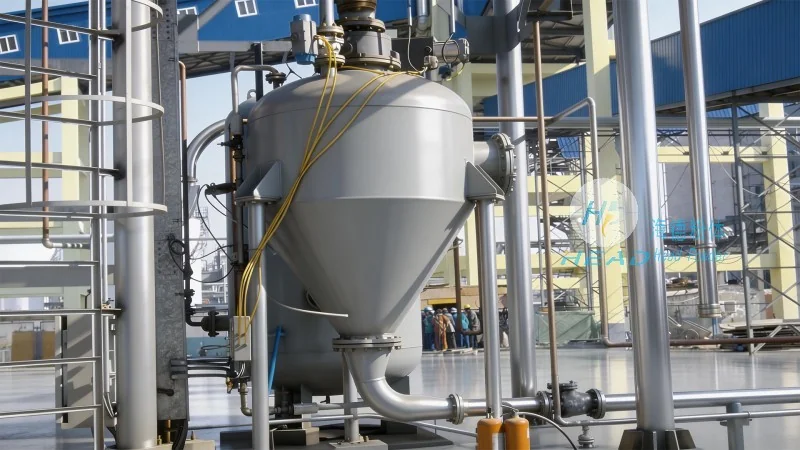
Understanding the Core Principles of Long-Distance Material Handling Systems
At the heart of long-distance material handling equipment are several fundamental principles that govern their operation. These systems typically rely on mechanical, hydraulic, or electric power to move materials from one location to another. The design incorporates components such as conveyors, hoists, and transport vehicles, each tailored to specific material types and operational requirements. The key principle is to maintain a consistent flow of materials while minimizing downtime and operational costs. Advanced control systems are often integrated to monitor and adjust the equipment's performance in real-time, ensuring precision and reliability. For instance, in a manufacturing plant, a conveyor system may be used to transport raw materials from a storage area to production lines, with sensors detecting the material flow and adjusting the conveyor speed as needed. This real-time monitoring helps prevent bottlenecks and ensures smooth production processes.
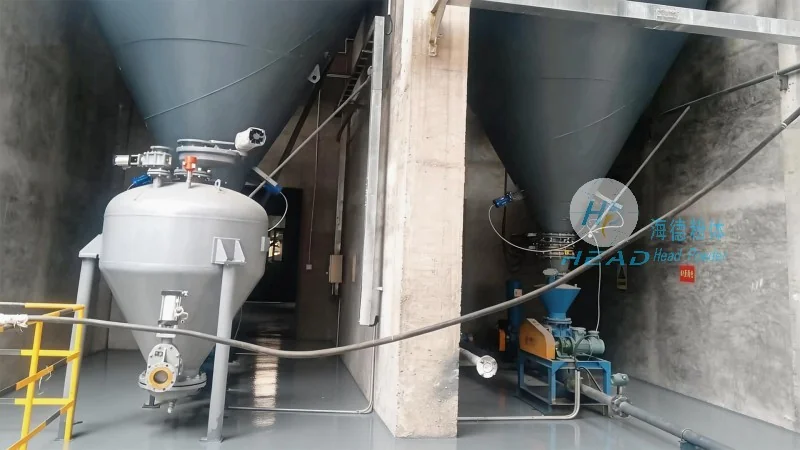
Working Scene Characteristics: Applications in Diverse Industrial Environments
Long-distance material handling equipment is widely used across various industrial sectors, each presenting unique challenges and requirements. In manufacturing plants, these systems are essential for transporting raw materials to production lines and finished products to storage areas. The working scene characteristics in such environments include high-volume material movement, frequent stops and starts, and the need for integration with other production machinery. For example, in an automotive manufacturing facility, long-distance material handling equipment may be used to transport car parts from one assembly line to another, with the equipment capable of handling heavy and bulky components. The working scene here emphasizes efficiency and coordination with other production processes, as delays in material movement can significantly impact overall production output. In construction sites, the equipment is used to transport building materials over longer distances, often involving steep inclines or uneven terrain. The working scene here requires equipment that is durable and adaptable to changing site conditions, such as heavy-duty hoists or conveyor systems designed for rough terrain. Additionally, in logistics and warehousing, long-distance material handling equipment facilitates the movement of goods between different storage areas, loading docks, and transportation vehicles. The working scene in logistics focuses on speed, efficiency, and the ability to handle diverse product sizes and weights. For instance, in a large warehouse, a conveyor system may be used to move packages from receiving docks to storage racks, with the system capable of handling various package dimensions and weights. The working scene here highlights the importance of flexibility and scalability in material handling solutions.
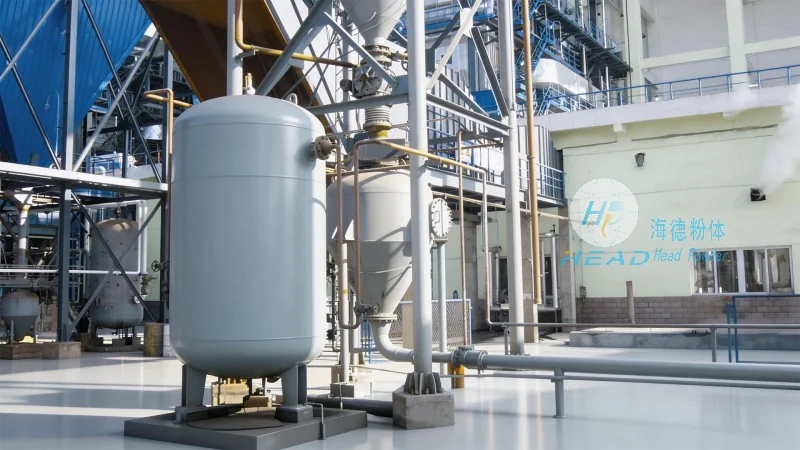
Company Profile: Shandong HeadPowder Engineering Co., Ltd.
HeadPowder, a leading manufacturer of long-distance material handling equipment, specializes in providing customized solutions tailored to the specific needs of industrial clients. With a strong commitment to quality and innovation, the company has established itself as a trusted partner in the industry. HeadPowder's products are designed to meet the highest standards of performance, safety, and durability, ensuring long-term reliability in demanding operational environments. The company's headquarters is located in Shandong, China, where it leverages advanced manufacturing capabilities and technical expertise to deliver cutting-edge solutions. HeadPowder's team of engineers and technicians work closely with clients to understand their operational challenges and develop tailored equipment that enhances productivity and reduces operational costs. The company's focus on customer-centric solutions has helped it build a strong reputation in the market, with clients ranging from small-scale manufacturers to large industrial enterprises. HeadPowder's dedication to research and development ensures that its products remain at the forefront of technological advancements, providing clients with competitive advantages in their respective industries.




