Soybean meal, a vital byproduct of soybean oil extraction, is widely used in the food and animal feed industries. The efficient handling and transportation of soybean meal powder are critical for maintaining production efficiency and product quality. A specialized piece of equipment, the soybean meal powder conveying machine, is designed to transport bulk powder materials from one location to another within processing facilities. This article delves into the fundamental principles behind these machines and highlights the key characteristics of their operational environments, offering insights into their application and effectiveness in industrial settings.
About HeadPowder Engineering
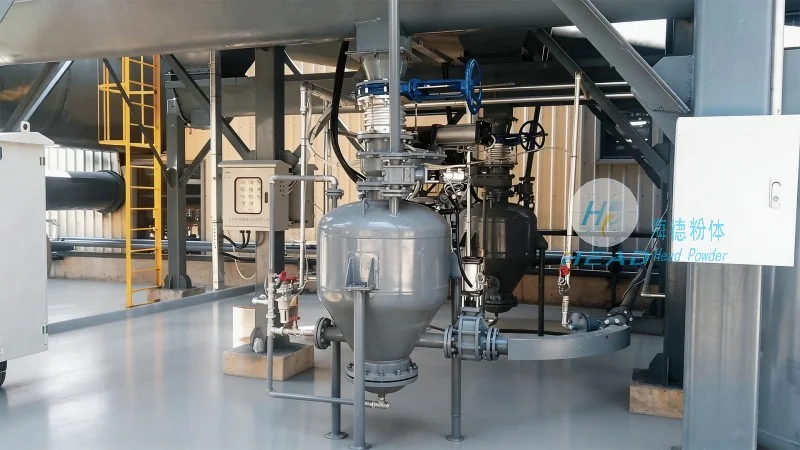
HeadPowder Engineering, operating under the brand name headpowder, is a leading manufacturer based in Shandong, China. The company specializes in the design, development, and production of advanced powder handling solutions. With a strong focus on innovation and quality, HeadPowder Engineering has established itself as a trusted provider of equipment tailored to the needs of the food processing and animal feed sectors. The company’s expertise in powder technology ensures that their conveying machines are engineered to meet the demanding requirements of modern industrial applications, delivering reliable and efficient performance.
The Principle of Soybean Meal Powder Conveying Machines
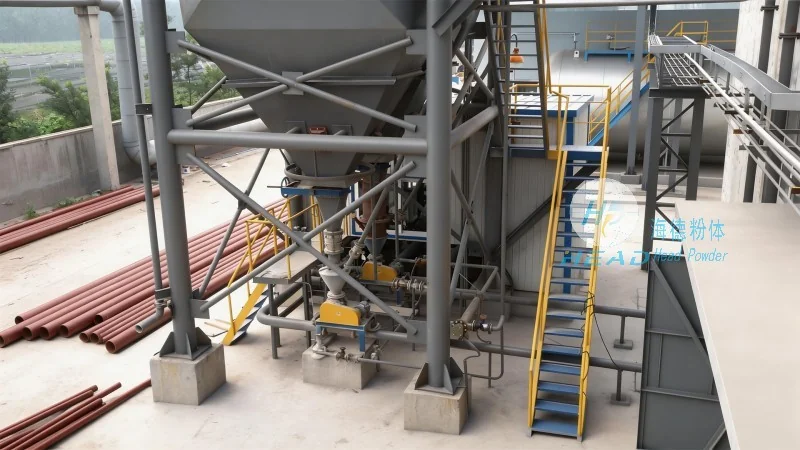
The core principle of soybean meal powder conveying machines is to transport fine powder materials, such as soybean meal, through a system of pipes or mechanical components. These machines typically operate using either pneumatic or mechanical systems, depending on the specific application and material properties. Pneumatic conveying systems utilize compressed air to move the powder through a pipeline, while mechanical systems may employ screw conveyors, belt conveyors, or other mechanical mechanisms to achieve the desired transport. The design of the conveying machine is optimized to handle the unique characteristics of soybean meal, including its fine particle size, moisture content, and flow behavior. This ensures that the material is transported smoothly without clogging, degradation, or loss of quality, maintaining the integrity of the product throughout the process.
Working Scene Characteristics
The working scene characteristics of soybean meal powder conveying machines vary significantly based on the specific industrial application. In animal feed production, these machines are commonly integrated into feed mills to transport soybean meal from storage silos to mixing and processing lines. The operational environment in such settings is characterized by high production volumes, continuous operation, and the need for hygienic, dust-free conditions. The conveying systems are often part of a larger production line, working in conjunction with mixers, extruders, and other processing equipment to form a seamless workflow. In the food processing industry, soybean meal may be used in the production of various food products, and the conveying machines are employed to move the powder to production lines for further processing. The working scene may also involve controlled environmental conditions, such as temperature and humidity management, to prevent the degradation of the powder. Additionally, the design of the conveying machine must accommodate space constraints and ease of maintenance, ensuring it can be integrated into existing facilities without major modifications.
Key Features and Advantages
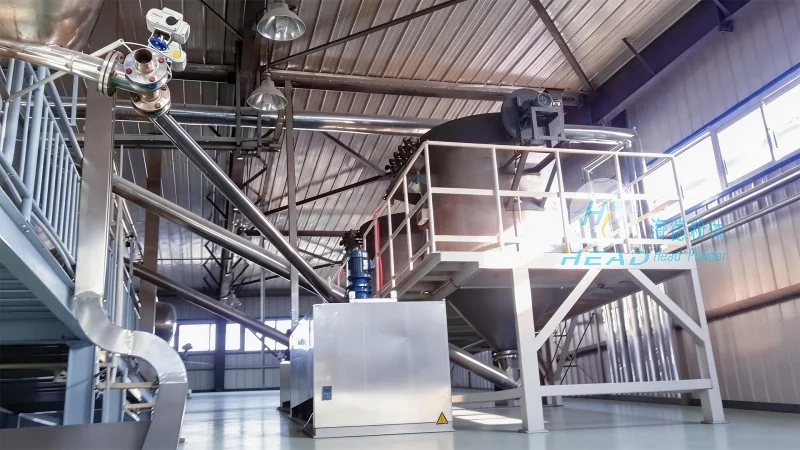
HeadPowder Engineering’s soybean meal powder conveying machines are equipped with several key features that enhance their performance and reliability. One of the primary advantages is the ability to handle fine, cohesive powders like soybean meal without clogging or blockages. The machines are fitted with advanced control systems that allow for precise regulation of the conveying rate, ensuring consistent material flow. The construction materials, such as stainless steel, are selected to meet hygiene standards and resist corrosion, making them suitable for food processing applications. Furthermore, the machines are designed for easy maintenance, with accessible components that can be quickly inspected and serviced. This reduces downtime and maintenance costs, contributing to overall operational efficiency. The compact design of the conveying systems also enables space-saving integration into existing production lines, making them a practical solution for facilities with limited space.




