Desulfurization and dust removal fly ash, commonly referred to as FGD (Flue Gas Desulfurization) fly ash, is a byproduct generated during the process of removing sulfur dioxide and particulate matter from flue gases in thermal power plants and industrial facilities. The efficient handling and transportation of this fine, often abrasive material is critical for maintaining operational efficiency and environmental compliance. Pneumatic conveying systems have emerged as a preferred method for transporting FGD fly ash due to their ability to handle high-volume, low-density materials with minimal maintenance and reduced risk of contamination. This article explores the concept of desulfurization and dust removal fly ash pneumatic conveying, outlines the different classifications of pneumatic conveying systems, and discusses their practical applications in industrial settings, with a focus on solutions provided by companies like Shandong HeadPowder Engineering Co., Ltd.
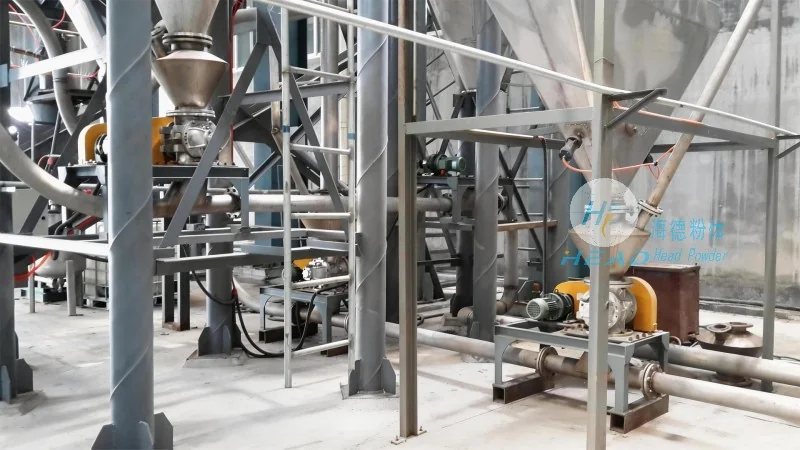
Pneumatic Conveying Systems: Core Principles and Types
Pneumatic conveying is a technology that uses compressed air or other gas to transport bulk materials through a pipeline system. The fundamental principle involves creating a pressure differential that propels the material along the pipeline. There are two primary types of pneumatic conveying systems: air-swept (or suction) systems and pressure (or blow) systems. Each type has distinct characteristics and is suited to different operational requirements.
Air-Swept (Suction) Pneumatic Conveying Systems
Air-swept systems operate by drawing material into a vacuum or low-pressure environment using a fan or vacuum pump. The material is then conveyed through a pipeline to a collection point. This type of system is particularly effective for handling materials from multiple sources or for applications where the material needs to be transported over relatively short distances. The key components of an air-swept system include a vacuum source, a material feed hopper, a conveying line, and a collection bin. The system is designed to handle materials with a wide range of particle sizes and moisture content, making it versatile for various industrial applications.
Pressure (Blow) Pneumatic Conveying Systems
Pressure systems, on the other hand, use compressed air to push material through a pipeline. The material is typically stored in a hopper and fed into the pipeline under pressure. This method is ideal for long-distance transportation and for applications where high material flow rates are required. Pressure systems are generally more powerful and can handle larger volumes of material compared to suction systems. However, they may require more robust equipment and higher energy consumption due to the need for compressed air generation.
Specialized Systems for FGD Fly Ash Handling
Given the specific properties of desulfurization and dust removal fly ash—such as its fine particle size, high moisture content, and abrasive nature—specialized pneumatic conveying systems are often employed. These systems may incorporate features like in-line mixers to improve material flow, heated lines to prevent moisture buildup and material caking, and abrasion-resistant materials for the pipeline and components. The choice of system depends on factors such as the distance to be covered, the volume of material to be transported, and the specific characteristics of the fly ash being handled.
Applications of Pneumatic Conveying in FGD Fly Ash Management
Pneumatic conveying plays a crucial role in the entire lifecycle of desulfurization and dust removal fly ash, from collection and storage to disposal or reuse. Some common applications include:
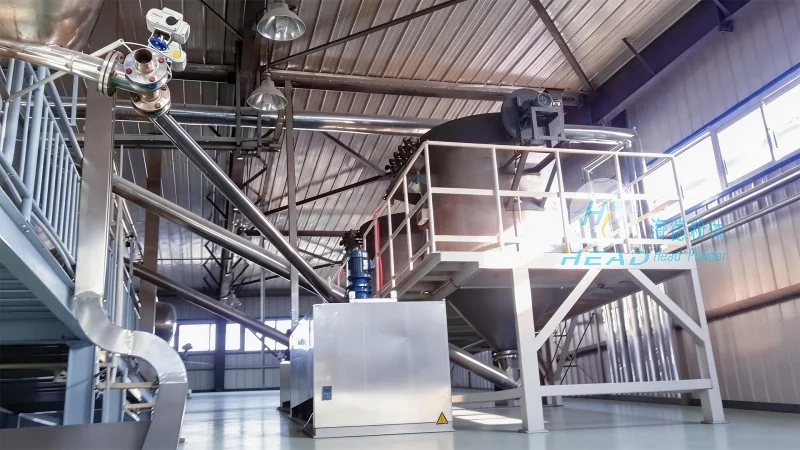
1. Transportation from the FGD system to storage silos: After the fly ash is collected from the desulfurization unit, it is often transported via pneumatic conveying to large storage silos. This allows for efficient storage and subsequent handling for disposal or beneficial reuse.
2. Transfer to disposal sites or landfills: In many cases, FGD fly ash is transported to landfills or other disposal facilities. Pneumatic conveying systems enable the safe and efficient movement of large volumes of material over long distances, minimizing the risk of environmental contamination.
3. Beneficial reuse in construction materials: With growing environmental awareness, the reuse of FGD fly ash in construction materials such as concrete, brick, and road base is becoming increasingly common. Pneumatic conveying systems are used to transport the fly ash from storage facilities to processing plants where it is incorporated into these materials.
4. Recycling and reprocessing: Some industrial facilities may reprocess FGD fly ash to recover valuable components or to reduce its volume before disposal. Pneumatic conveying is used to transport the material between processing stages, ensuring a continuous and efficient operation.
Advantages of Pneumatic Conveying for FGD Fly Ash
Compared to traditional methods like belt conveyors or truck transport, pneumatic conveying offers several advantages for handling desulfurization and dust removal fly ash:
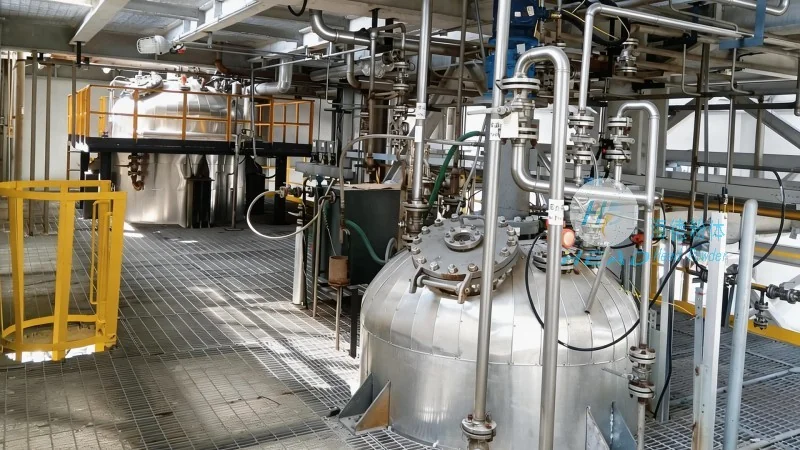
- Reduced environmental impact: Pneumatic systems minimize the risk of dust emissions and spillage, as the material is contained within the pipeline throughout the conveying process.
- Lower maintenance costs: With fewer moving parts and no direct contact between the material and the conveyor components, pneumatic systems require less maintenance and have a longer operational lifespan.
- Flexibility and scalability: Pneumatic conveying systems can be easily expanded or reconfigured to accommodate changes in material volume or operational requirements. They can also handle materials from multiple sources and transport them to different destinations.
- Energy efficiency: While the initial cost of a pneumatic system may be higher, the long-term energy savings from reduced maintenance and lower material handling costs make it a cost-effective solution.
Challenges and Considerations in FGD Fly Ash Pneumatic Conveying
Despite its benefits, pneumatic conveying of FGD fly ash also presents some challenges that need to be addressed:
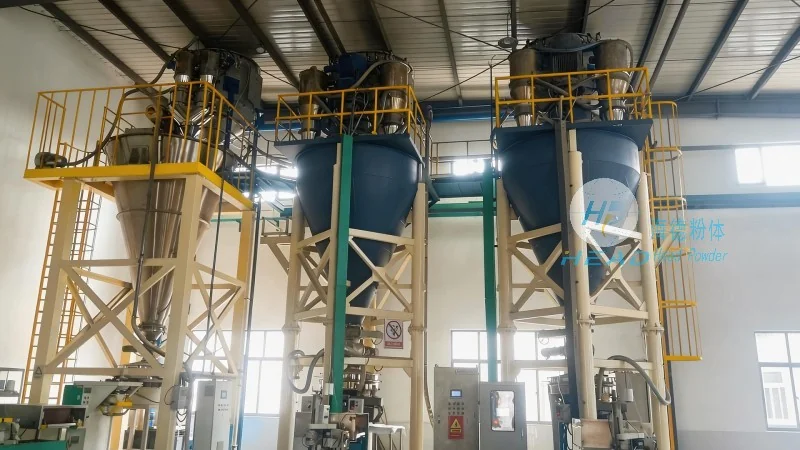
- Material properties: The fine particle size and high moisture content of FGD fly ash can lead to caking and blockages in the pipeline, requiring regular cleaning and maintenance.
- System design: Proper system design is critical to ensure efficient operation. Factors such as pipeline diameter, air velocity, and material feed rate must be carefully optimized to prevent system inefficiencies or damage.
- Energy consumption: While generally more energy-efficient than some alternatives, pneumatic systems still require significant energy for compressed air generation, which can impact overall operational costs.
- Equipment durability: The abrasive nature of FGD fly ash can cause wear and tear on pipeline components and other equipment, necessitating the use of high-quality, abrasion-resistant materials.
Conclusion
Pneumatic conveying is a highly effective and versatile method for handling desulfurization and dust removal fly ash. By understanding the different classifications of pneumatic systems and their specific applications, industrial facilities can optimize their material handling processes to improve efficiency, reduce costs, and ensure environmental compliance. As the demand for sustainable and efficient industrial practices grows, the role of pneumatic conveying in FGD fly ash management is likely to become even more critical.




