Quicklime, also known as calcium oxide, is a widely used industrial material in sectors like construction, chemical manufacturing, and environmental treatment. Efficient transportation of quicklime from production sites to processing facilities is critical for maintaining production efficiency and product quality. Pneumatic conveying, a method using air or gas to transport bulk materials, has become a preferred solution for quicklime handling due to advantages in safety, cleanliness, and flexibility. This article explores the concept of quicklime pneumatic conveying, categorizes different pneumatic conveying systems, and discusses their practical applications.
Understanding Quicklime Pneumatic Conveying
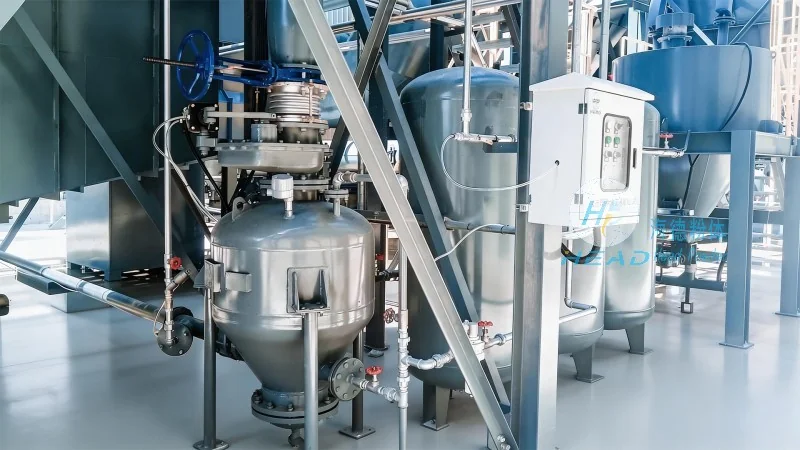
Quicklime pneumatic conveying refers to transporting quicklime powder or granules through a pipeline using air or gas. The system typically includes a material feed hopper, conveyor line, dust collector, and control system. Quicklime is fed into the hopper, and a fan or blower creates air flow to carry material through the pipeline to the destination. This eliminates issues with traditional mechanical conveyors like material buildup and maintenance. Pneumatic conveying also maintains a dust-free environment, essential for workplace safety and environmental compliance.
Classification of Pneumatic Conveying Systems
Pneumatic conveying systems are classified by air or gas pressure: pressure and vacuum. Pressure conveying operates above atmospheric pressure, using a positive displacement or rotary lobe blower, suitable for long distances or high capacity. Vacuum conveying operates below atmospheric pressure with a vacuum pump, used for shorter distances or multiple source collection, handling delicate powders without excessive breakage. Within these, dense-phase (higher material concentration) and dilute-phase (lower concentration) systems exist. Dense-phase is ideal for long distances or sensitive materials, while dilute-phase suits shorter distances or less sensitive materials. Selection depends on distance, material characteristics, and flow rate.
Applications of Pneumatic Conveying in Quicklime Handling
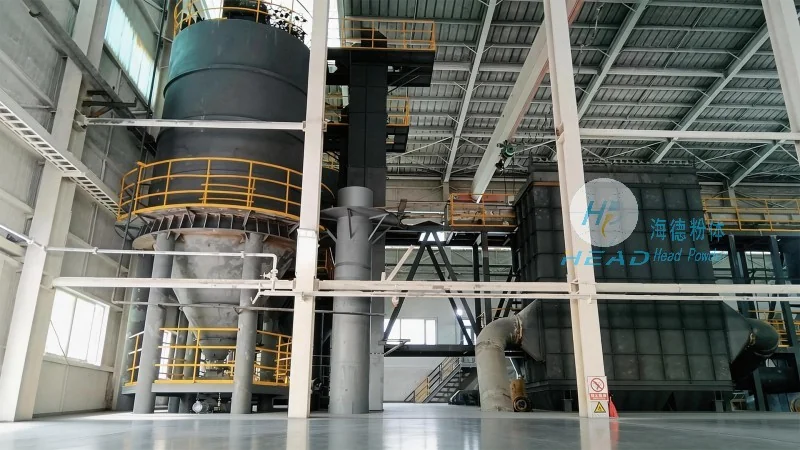
In construction, quicklime is used in cement production and soil treatment. Pneumatic conveying transports it from silos to mills or treatment plants efficiently. In chemical manufacturing, it’s used for calcium-based chemicals like calcium chloride. Systems deliver quicklime to reactors as a raw material, ensuring dry, pure delivery crucial for reactions. In environmental treatment, quicklime is used for flue gas desulfurization and wastewater treatment. Pneumatic conveying transports it to facilities for gas neutralization or water treatment, controlling delivery to reduce spills and improve efficiency. The dust-free nature also maintains a safe working environment.
Advantages and Considerations of Quicklime Pneumatic Conveying
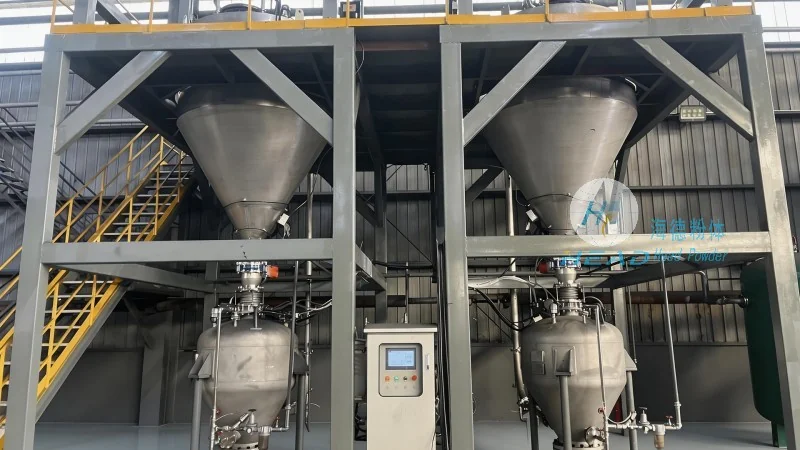
Key advantages include handling fine powders without breakage, maintaining a dust-free environment (reducing respiratory risks and dust control needs), and easy integration with other equipment. However, costs for equipment and installation are higher than traditional conveyors, especially for large-scale operations. Regular maintenance is needed to prevent dust accumulation and wear. Proper system selection is critical, considering material characteristics, distance, and flow rate to ensure efficient and safe operation.
Conclusion
Quicklime pneumatic conveying is an effective method for transporting quicklime across various industries. Understanding system types and applications helps industries choose the best solution. It enhances production efficiency, workplace safety, and environmental compliance. As quicklime demand grows, advanced pneumatic conveying systems will play a key role in meeting transportation needs. Companies like Shandong HeadPowder Engineering Co., Ltd., based in China, specialize in customized solutions tailored to quicklime handling, ensuring reliable and efficient material transport for clients.




