Low-pressure powder material handling is a critical process in various industrial sectors, enabling the efficient and safe transportation of bulk powders from one location to another without the need for high-pressure systems. This method relies on the principles of air-assisted flow, where a controlled flow of air is used to move powders through pipelines. The core concept involves creating a pressure differential between the source and destination, ensuring the powder particles are entrained by the air stream and transported smoothly. This approach is particularly advantageous for materials that are sensitive to high pressure or temperature, as it minimizes degradation and maintains product integrity.
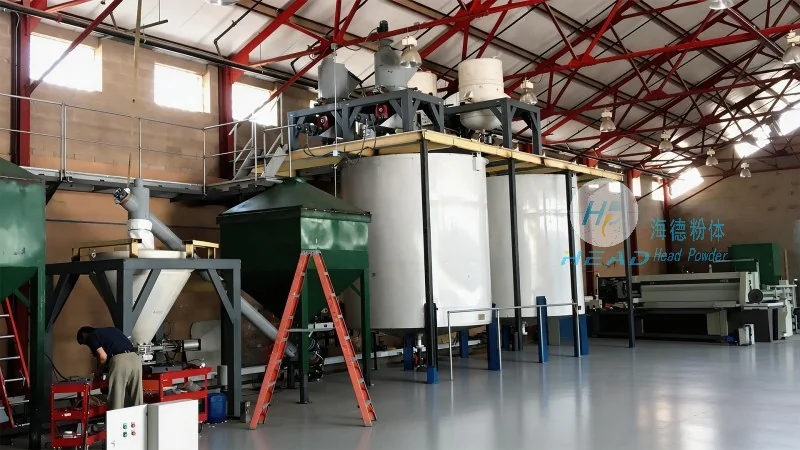
Understanding the Core Principles of Low-Pressure Powder Handling
The fundamental principle of low-pressure powder handling is the use of a low-pressure air stream to transport particulate materials. Unlike high-pressure systems that rely on force to push materials through pipelines, low-pressure methods utilize air to create a "fluidized" state, where the powder behaves like a fluid. This is achieved by introducing air at a controlled rate into the pipeline, which reduces the friction between powder particles and the pipe walls. The result is a consistent flow rate that can be adjusted based on the material's properties, such as particle size, density, and moisture content. The system typically includes a hopper or feeder at the source, a pipeline with air injection points, and a discharge mechanism at the destination. The air flow is regulated by a blower or compressor, ensuring the pressure remains within a safe range (usually below 1 bar). This design minimizes energy consumption while maintaining efficient material transport.
Key Components and Their Roles in Low-Pressure Powder Handling Systems
Several key components work together to ensure the smooth operation of low-pressure powder handling systems. The primary components include a material feeder, which controls the flow rate of the powder into the pipeline; an air blower or compressor, which supplies the low-pressure air; a pipeline system with air injection ports, which distributes the air evenly along the length of the line; and a discharge device, such as a rotary valve or baghouse, which collects the material at the end. The feeder is crucial for maintaining a consistent flow, as fluctuations in material input can disrupt the air-powder ratio. The blower must be capable of delivering sufficient airflow to entrain the powder particles without causing excessive pressure drops or energy waste. The pipeline design, including the diameter and material of the pipe, is also critical. Larger diameters reduce friction losses, while materials like stainless steel or PVC are chosen for their resistance to corrosion and wear from the powder. Air injection ports are strategically placed along the pipeline to maintain a uniform air-powder mixture, preventing segregation or blockages. The discharge device ensures that the material is collected efficiently, preventing dust emissions and maintaining a clean environment.
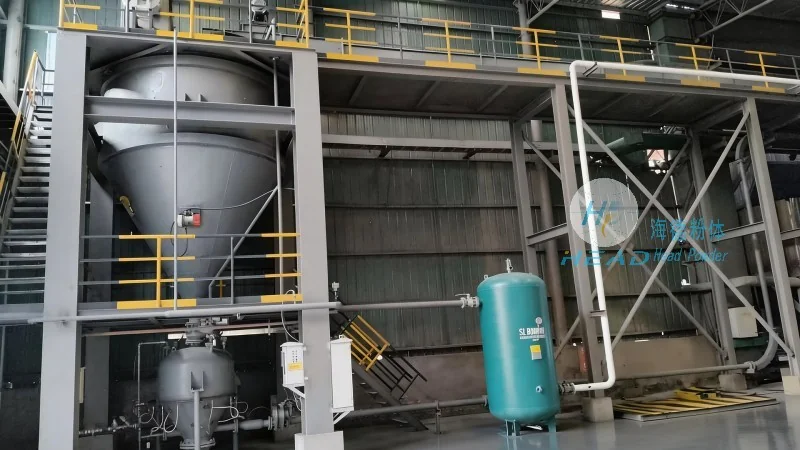
Application Scenarios and Industry Use Cases
Low-pressure powder handling systems are widely used in various industries due to their adaptability and efficiency. In the pharmaceutical industry, these systems are essential for transporting active pharmaceutical ingredients (APIs) and excipients, where product purity and integrity are paramount. The low-pressure design minimizes contamination and degradation, ensuring that the final product meets strict regulatory standards. In the food and beverage sector, low-pressure systems are used to transport ingredients like flour, sugar, and spices, maintaining their quality and preventing cross-contamination. The food-grade materials used in the pipeline and components ensure compliance with food safety regulations. The chemical industry also benefits from low-pressure powder handling, particularly for transporting powders that are sensitive to moisture or temperature changes. The system's ability to control the air-powder ratio allows for precise dosing, which is critical in chemical processes. Additionally, the construction industry uses low-pressure systems to transport cement, fly ash, and other bulk materials, improving efficiency in concrete production and reducing labor costs. The versatility of low-pressure powder handling makes it suitable for a wide range of applications, from small-scale laboratory operations to large-scale industrial plants.
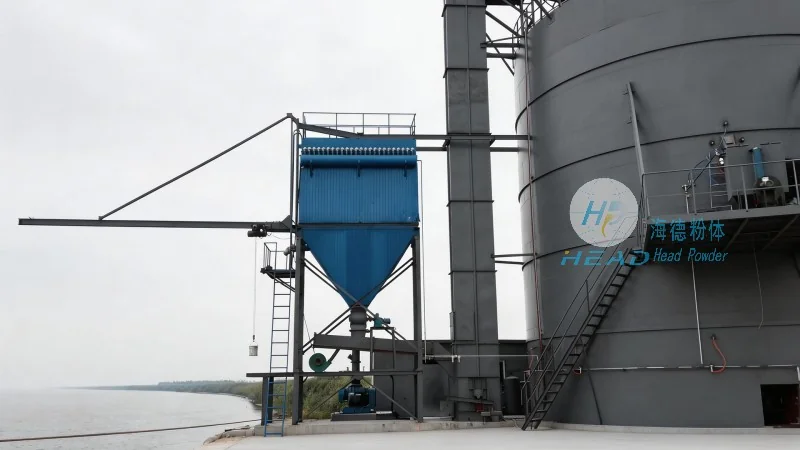
Advantages and Challenges of Low-Pressure Powder Handling
Low-pressure powder handling offers several advantages over traditional high-pressure systems. One of the most significant benefits is energy efficiency, as the low-pressure air stream requires less power to operate. This reduces operational costs and environmental impact. Additionally, the system is gentler on the material, minimizing degradation and preserving product quality. The low-pressure design also reduces the risk of equipment failure and maintenance costs, as the components are less prone to wear and tear. However, there are challenges associated with low-pressure powder handling. One of the main challenges is the potential for material segregation, where larger or denser particles may settle at the bottom of the pipeline, leading to uneven flow. This can be mitigated by using agitators or vibration systems to maintain a uniform mixture. Another challenge is the risk of blockages, which can occur if the air-powder ratio is not properly controlled. Proper system design and regular maintenance are essential to prevent these issues. Additionally, the system may require more space for the pipeline and air handling equipment compared to high-pressure systems, which can be a consideration in compact industrial settings. Despite these challenges, the benefits of low-pressure powder handling often outweigh the drawbacks, making it a preferred choice for many industries.
Case Study: Application in the Food Industry by Shandong HeadPowder Engineering Co., Ltd.
Shandong HeadPowder Engineering Co., Ltd., a leading provider of powder handling solutions, has successfully implemented low-pressure powder handling systems in the food industry. The company, based in Shandong, China, specializes in designing and manufacturing customized systems tailored to the specific needs of food manufacturers. One of their recent projects involved supplying a low-pressure system to a large-scale bakery, where they needed to transport flour and sugar from storage silos to production lines. The system was designed with food-grade stainless steel components and a closed-loop air system to prevent contamination. The low-pressure design ensured that the flour and sugar were transported efficiently without clumping or degradation. The system's control panel allowed the bakery to adjust the flow rate and air pressure in real-time, optimizing production efficiency. The project was a success, with the bakery reporting a 20% reduction in energy costs and improved product quality. This case study highlights the effectiveness of low-pressure powder handling in the food industry and the expertise of Shandong HeadPowder Engineering Co., Ltd. in providing tailored solutions for their clients.




