HeadPowder, a leading engineering company based in Shandong, China, specializes in the design and manufacturing of advanced pneumatic conveying systems tailored for the handling of soybean protein powder. This article delves into the fundamental principles behind such systems and highlights the key characteristics of their operational environments.
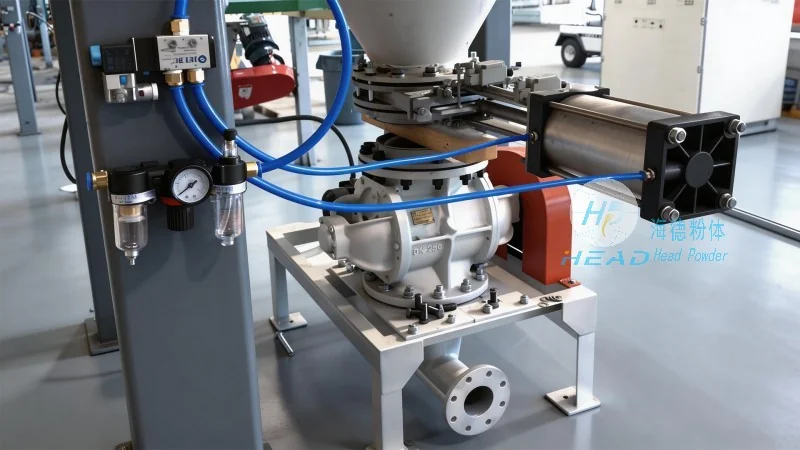
Overview of the Soybean Protein Powder Pneumatic Conveying System
The soybean protein powder pneumatic conveying system is a sophisticated piece of industrial equipment engineered to transport bulk materials like soybean protein powder through a pressurized or vacuum pipeline. Unlike traditional mechanical conveyors, this system utilizes air or gas as the primary medium to move the powder, offering advantages such as reduced contamination, improved material flow control, and enhanced safety in handling fine powders.
Core Principles of Pneumatic Conveying Technology
The operation of a pneumatic conveying system for soybean protein powder is based on the fundamental principle of fluidization and particle suspension. The system typically consists of a feeding hopper, a conveyor pipeline, a pressure or vacuum source, and a discharge outlet. When air is introduced into the pipeline under pressure, it creates a flow that lifts and transports the powder particles. The velocity of the air stream is carefully controlled to ensure that the powder remains suspended without causing excessive wear on the system components. This technology allows for efficient and continuous material transfer over long distances, making it ideal for large-scale production facilities.
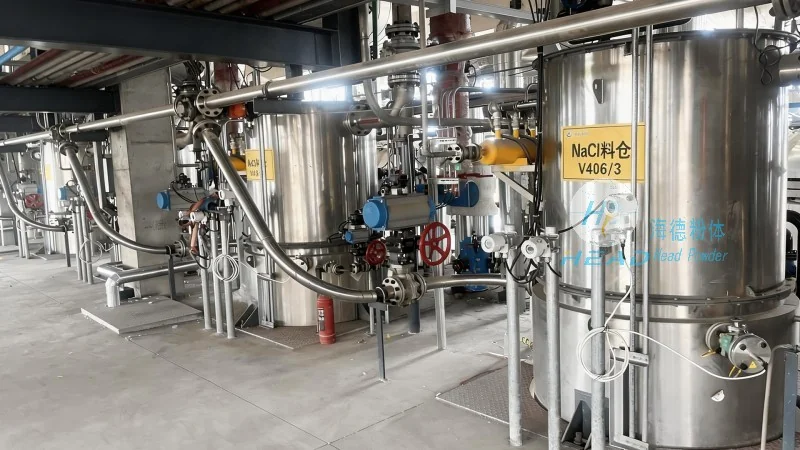
Key Components and Their Functions
Several critical components work in tandem to ensure the smooth operation of the soybean protein powder pneumatic conveying system. The feeding hopper is designed to store and meter the powder into the system, preventing blockages and maintaining a consistent flow rate. The pipeline, often made of corrosion-resistant materials like stainless steel or plastic, is engineered to withstand the abrasive nature of the powder and the pressure of the conveying air. The pressure or vacuum source, which can be a blower, fan, or compressor, generates the necessary air flow to move the material. The discharge outlet is strategically placed to deliver the powder to its final destination, such as a storage silo or processing unit. Each component is meticulously designed to optimize performance and durability, ensuring reliable operation in demanding industrial environments.
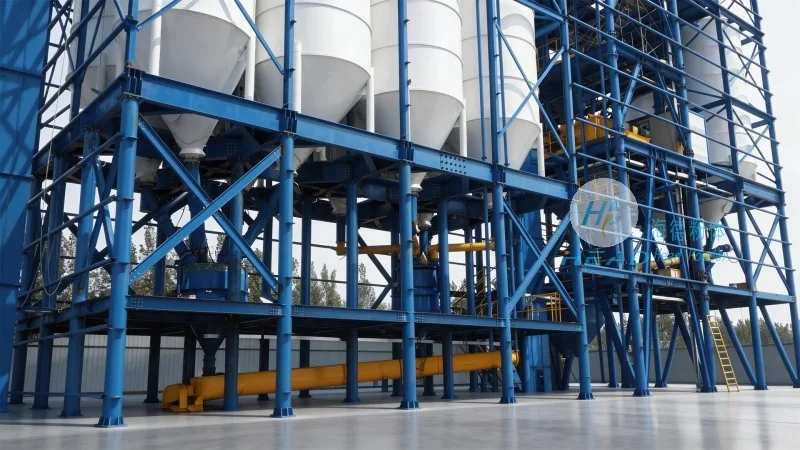
Working Scene Characteristics: Environmental and Operational Aspects
The operational environment of the soybean protein powder pneumatic conveying system is characterized by several key factors that influence its performance and efficiency. Firstly, the system is designed to handle fine, dust-like particles, which can pose challenges in terms of dust control and material handling. Advanced filtration systems are often integrated into the design to minimize dust emissions and comply with environmental regulations. Secondly, the system operates under controlled pressure conditions, which require precise monitoring and regulation to prevent over-pressurization or vacuum-related issues. This ensures the safety of the equipment and the personnel operating it. Thirdly, the system is typically integrated into larger production lines, where it must coordinate with other processes such as mixing, drying, or packaging. The flexibility of the pneumatic conveying system allows it to adapt to these integrated workflows, providing seamless material transfer. Additionally, the system is built to withstand the high humidity and temperature variations common in industrial settings, ensuring consistent performance over extended periods.
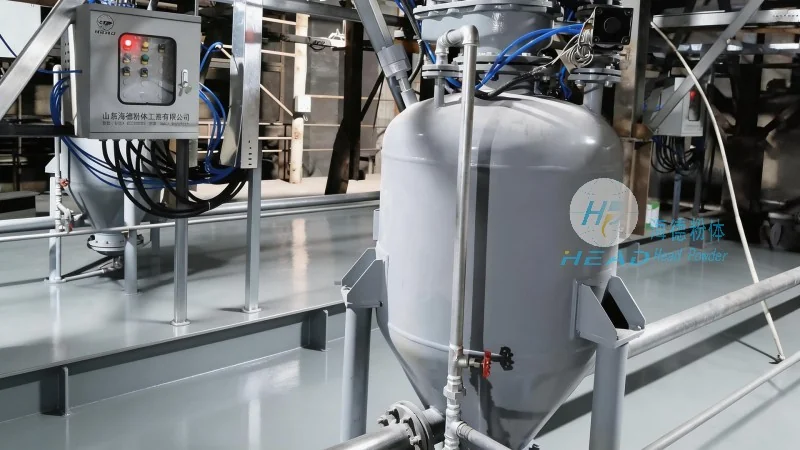
Advantages and Applications in Industrial Settings
The soybean protein powder pneumatic conveying system offers numerous advantages that make it a preferred choice for industrial applications. One of the primary benefits is its ability to handle fine powders without causing agglomeration or blockages, which is a common issue with mechanical conveyors. This results in higher throughput and reduced downtime. Another advantage is the system's hygienic design, which is crucial for food processing applications like soybean protein production. The stainless steel construction and easy-to-clean components ensure compliance with food safety standards. The system also provides better control over material flow, allowing for precise dosing and mixing. In industrial settings, this system is widely used in the food and beverage industry, pharmaceutical manufacturing, and chemical processing, where the efficient and safe handling of powders is essential. The ability to transport materials over long distances without the need for intermediate storage or handling points further enhances its utility in large-scale production facilities.
Conclusion: The Role of Advanced Pneumatic Conveying in Modern Production
In conclusion, the soybean protein powder pneumatic conveying system is a technologically advanced solution for the efficient and safe handling of bulk materials in industrial settings. By leveraging pneumatic conveying principles, this system offers superior performance compared to traditional mechanical methods, with benefits including reduced contamination, improved flow control, and enhanced safety. The integration of advanced components and careful design ensures that the system operates reliably in demanding environments, supporting the productivity and quality of modern production lines. As the demand for efficient material handling solutions continues to grow, such systems play a critical role in optimizing industrial processes and meeting the evolving needs of the food and chemical industries.




