Shandong HeadPowder Engineering Co., Ltd., commonly known as HeadPowder, specializes in advanced material handling solutions tailored for the lithium-ion battery industry. The company's expertise lies in developing and implementing efficient pneumatic conveying systems specifically designed for handling lithium-ion battery cathode materials. These systems are crucial for ensuring the safe, reliable, and high-efficiency transfer of cathode powders, which are essential components in the production of lithium-ion batteries. This article delves into the fundamental principles of such systems and highlights the key operational characteristics that define their effectiveness in industrial settings.
Principle of Pneumatic Conveying Systems
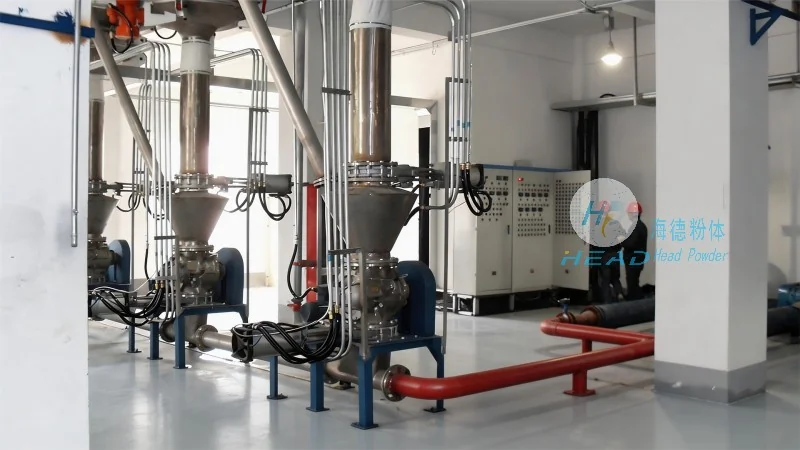
The core principle of a pneumatic conveying system involves the use of pressurized or vacuum air to transport bulk materials, such as lithium-ion battery cathode powders, through a pipeline. The system typically consists of a material feed hopper, a conveying line, and a discharge mechanism. In a positive pressure system, air is blown into the pipeline, creating a flow that propels the material forward. Conversely, a negative pressure system uses suction to draw the material through the line. The choice between positive and negative pressure depends on factors like material properties, pipeline length, and the need to minimize dust emissions. For lithium-ion battery cathode materials, which are often fine powders with high reactivity and potential health hazards, positive pressure systems are commonly preferred as they offer better control over dust and provide a more contained environment. The system's efficiency is determined by parameters like air velocity, material flow rate, and pipeline diameter, all of which must be optimized to prevent material degradation or blockages.
Operational Characteristics and Working Scenarios
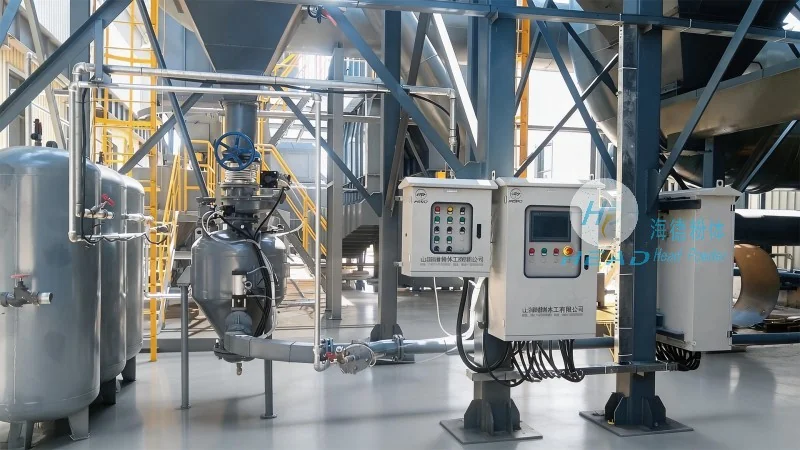
The operational characteristics of pneumatic conveying systems for lithium-ion battery cathode materials are tailored to meet the stringent requirements of modern battery manufacturing. Key characteristics include high precision in material transfer, minimal product loss, and compliance with environmental regulations. These systems are designed to handle materials with varying particle sizes and densities, ensuring consistent performance regardless of the cathode composition. One of the primary working scenarios is the transfer of cathode powders from storage silos to mixing or coating lines, where precise dosing is critical for maintaining the chemical composition of the final battery product. Another scenario involves the transport of materials between different production stages, such as from the grinding and classification process to the drying and packaging units. The systems are also adapted for use in cleanroom environments, where contamination control is paramount. In these scenarios, the design incorporates features like sealed pipelines, air filtration systems, and automated control mechanisms to maintain a dust-free and sterile workspace. Additionally, the systems are engineered for scalability, allowing them to be integrated into both small-scale pilot plants and large-scale industrial production lines, making them versatile for various production capacities.
Advantages and Applications in Lithium-Ion Battery Manufacturing
Pneumatic conveying systems offer several advantages that make them ideal for handling lithium-ion battery cathode materials. Firstly, they eliminate the need for manual handling, reducing the risk of occupational exposure to fine powders and improving workplace safety. Secondly, the enclosed pipeline design minimizes dust dispersion, contributing to a cleaner and healthier working environment. This is particularly important for cathode materials, which can be hazardous if inhaled or come into contact with skin. Thirdly, the systems provide high transfer efficiency, with minimal material loss compared to traditional methods like bucket elevators or belt conveyors. This efficiency is crucial for maintaining material purity and reducing waste in the battery production process. Furthermore, the systems are flexible and can be easily integrated with other production equipment, such as mixers, extruders, and coating machines, enhancing overall production line automation. The applications of these systems span across multiple stages of battery manufacturing, from raw material handling to final product packaging. For instance, in the initial stage, the system can transport raw cathode precursors from storage to the grinding facility. In the intermediate stage, it can transfer the ground powders to the mixing and coating units, where they are combined with other components like conductive agents and binders. Finally, in the final stage, the system can deliver the finished cathode material to the battery cell assembly line. Each stage benefits from the system's ability to maintain material integrity and consistency, which directly impacts the performance and reliability of the end product.
Conclusion and Company Overview
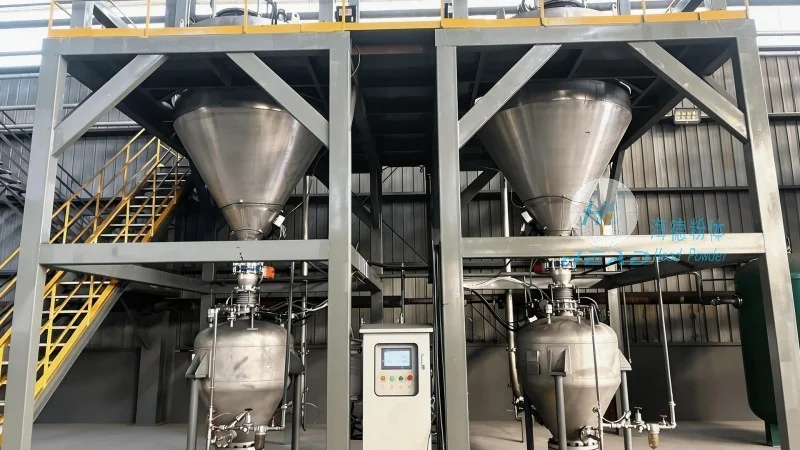
Shandong HeadPowder Engineering Co., Ltd. leverages its expertise in material handling technology to provide customized pneumatic conveying solutions for lithium-ion battery cathode materials. The company's systems are designed to meet the unique challenges of the battery industry, ensuring efficient, safe, and environmentally friendly material transfer. By understanding the fundamental principles and operational characteristics of these systems, manufacturers can optimize their production processes, enhance product quality, and improve overall operational efficiency. HeadPowder's commitment to innovation and customer-centric solutions positions it as a leading provider in the field, supporting the growing demand for lithium-ion batteries in various applications, including electric vehicles, renewable energy storage, and portable electronics. With its headquarters in Shandong, China, the company continues to advance the technology and application of pneumatic conveying systems, contributing to the sustainable development of the battery industry.




