HeadPowder, a leading manufacturer based in Shandong, China, specializes in the design and production of advanced eco-friendly pneumatic conveying systems. These systems represent a modern solution for material handling, combining efficiency with environmental responsibility. This article explores the fundamental principles behind these devices and highlights the key characteristics of their operational scenarios.
Understanding the Core Principles of Eco-friendly Pneumatic Conveying
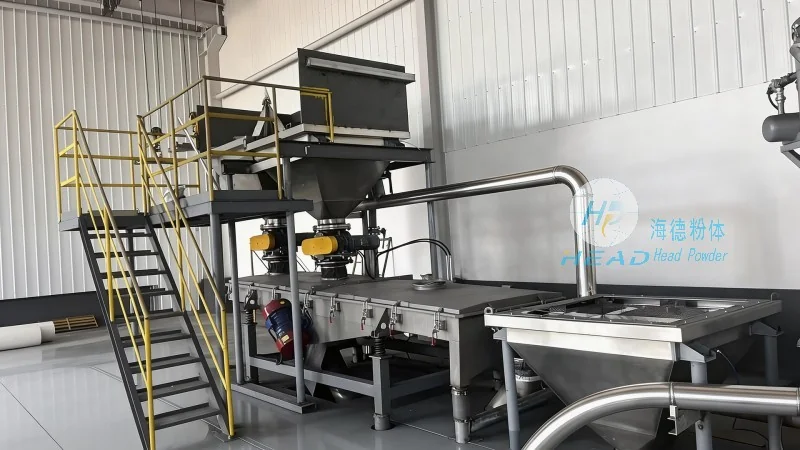
The principle of pneumatic conveying involves transporting bulk materials through a pipeline using air or gas as the conveying medium. Unlike traditional mechanical systems that rely on belts, buckets, or screws, pneumatic conveyors utilize air pressure to move materials. In eco-friendly models, this process is optimized to minimize energy consumption and reduce emissions. The system typically consists of a hopper for material storage, a blower or compressor to generate airflow, and a pipeline network that directs the material to its destination. The air flow is controlled to ensure smooth and consistent material transport, while the design incorporates features such as low-pressure operation and efficient air recycling to enhance sustainability.
Key Working Scene Characteristics of Eco-friendly Pneumatic Conveying Systems
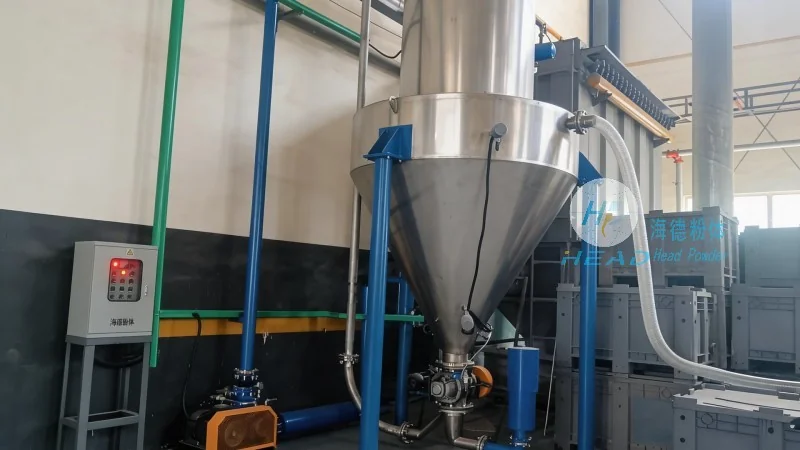
Eco-friendly pneumatic conveying equipment is versatile and can be applied in a wide range of industrial settings. The working scene characteristics are tailored to meet the specific demands of different industries, ensuring optimal performance and minimal environmental impact. For instance, in the chemical industry, these systems are used to transport powders and granules with high precision, maintaining strict contamination control. In the food processing sector, the equipment is designed with hygienic materials and sealed systems to comply with food safety regulations. Additionally, in pharmaceutical manufacturing, the systems are equipped with advanced filtration and cleaning mechanisms to ensure product purity. The adaptability of these devices also makes them suitable for applications in the mining, cement, and agricultural sectors, where they handle various types of bulk materials efficiently.
Advantages in Diverse Operational Environments
The working scene characteristics of eco-friendly pneumatic conveying systems are further enhanced by their ability to operate in diverse environments. These systems are designed to handle materials with varying properties, including fine powders, coarse granules, and even sticky substances. The flexibility in pipeline layout allows for customized solutions that fit the spatial constraints of different facilities. Moreover, the systems are equipped with monitoring and control technologies that enable real-time adjustments to airflow and pressure, ensuring stable operation under varying load conditions. This adaptability makes them ideal for both large-scale industrial plants and smaller processing facilities, providing a reliable and sustainable material handling solution.
Integration with Modern Manufacturing Processes
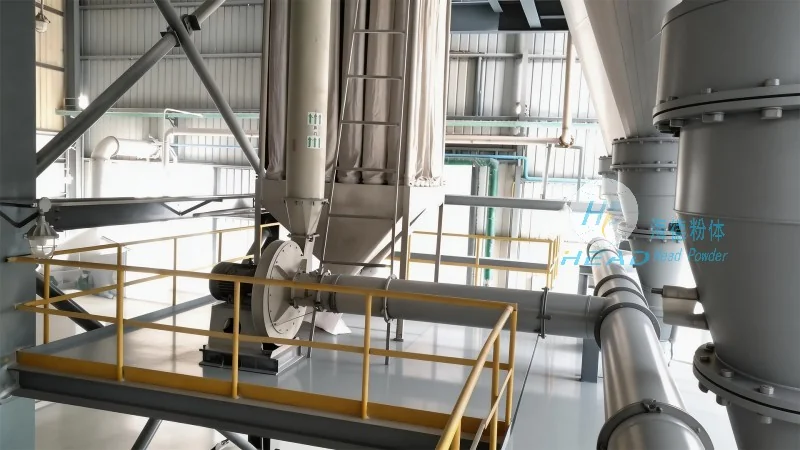
Eco-friendly pneumatic conveying equipment seamlessly integrates with modern manufacturing processes, contributing to overall operational efficiency. By eliminating the need for multiple transfer points and mechanical components, these systems reduce downtime and maintenance requirements. The use of advanced control systems allows for automated material flow management, aligning with Industry 4.0 principles. In addition, the reduced energy consumption and lower emissions of these devices support the sustainability goals of contemporary industrial operations. The working scene characteristics also include the ability to integrate with existing infrastructure, minimizing the need for extensive renovations or new construction. This makes the adoption of eco-friendly pneumatic conveying systems a practical and cost-effective solution for businesses looking to enhance their material handling capabilities while adhering to environmental standards.




