HeadPowder, a leading manufacturer based in Shandong, China, specializes in the design and production of advanced pneumatic conveying systems tailored for ammonia fertilizer handling. The company's expertise lies in developing efficient solutions that ensure safe, reliable, and cost-effective transportation of ammonia-based fertilizers, which are critical in modern agricultural operations. This article delves into the fundamental principles behind these systems and explores the specific working scenarios where they excel.
The Core Principle of Pneumatic Conveying for Ammonia Fertilizers
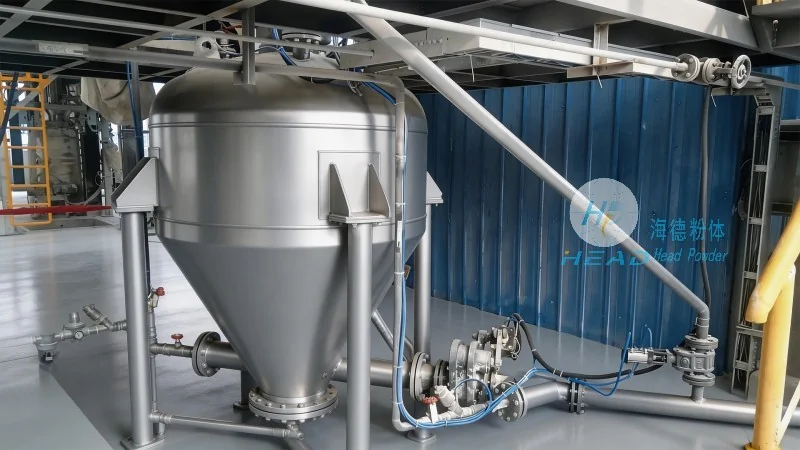
The pneumatic conveying system for ammonia fertilizers operates on the principle of using air or gas as a medium to transport bulk materials. Unlike traditional mechanical conveyors, which rely on belts or screws, pneumatic systems utilize pressure differentials to move the fertilizer through pipelines. The process typically involves a feed hopper that meters the fertilizer into a conveying line, where it is entrained by high-velocity air. The air-fertilizer mixture travels through the pipeline, often with the assistance of in-line mixers or cyclones to maintain consistent flow. At the discharge point, the air is separated from the fertilizer, either through a venturi or a cyclone separator, allowing the fertilizer to be deposited into storage or processing units. This method eliminates the need for mechanical components that could be prone to wear or contamination, making it ideal for handling abrasive or corrosive materials like ammonia-based fertilizers.
Key Working Scene Characteristics
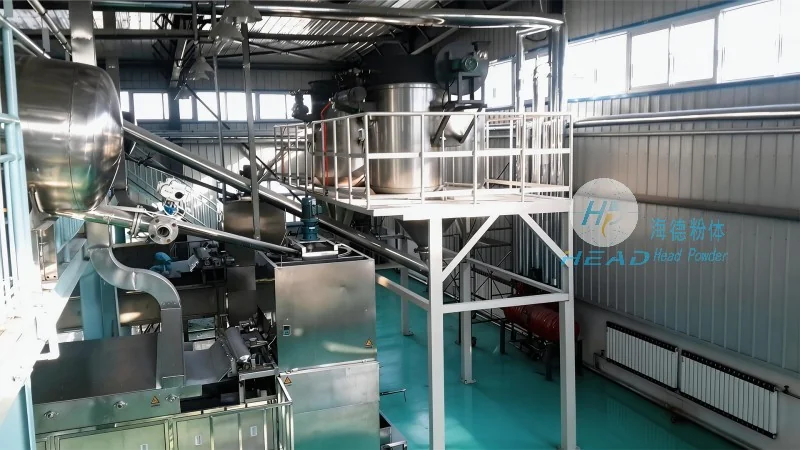
Ammonia fertilizer pneumatic conveying equipment is particularly suited for several distinct working scenarios in agricultural and industrial settings. One primary application is in large-scale fertilizer production facilities, where bulk storage and distribution require efficient, continuous transport. The systems are designed to handle high volumes of fertilizer, often operating at rates that can exceed 100 tons per hour, ensuring that production lines remain uninterrupted. Another key scenario is in on-site fertilizer blending and application centers, where the equipment facilitates the rapid transfer of raw materials to mixing tanks or spreaders. This is crucial for timely delivery of fertilizers to agricultural fields, minimizing storage time and preserving product quality. Additionally, the equipment is used in port and terminal operations for the loading and unloading of ammonia fertilizers from ships or trucks, enabling seamless logistics between production and distribution networks. The flexibility of pneumatic systems also allows for vertical or horizontal transport, adapting to the layout of different facilities, whether they are compact industrial plants or expansive agricultural complexes.
Advantages and Considerations in Practical Applications
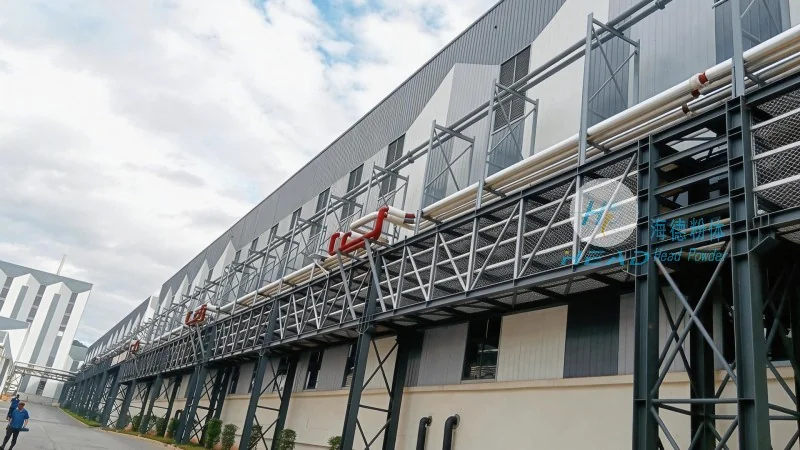
When implementing ammonia fertilizer pneumatic conveying systems, several advantages and considerations must be taken into account. The primary benefit is the reduction in labor costs and operational downtime, as the systems are automated and require minimal manual intervention. The absence of moving parts also minimizes maintenance requirements, leading to lower long-term operational expenses. However, the systems are sensitive to air pressure and flow rates, which must be precisely controlled to prevent blockages or material degradation. For ammonia fertilizers, which can be corrosive, the materials used in the pipeline and components must be resistant to chemical attack, typically involving stainless steel or specialized coatings. Energy consumption is another factor, as high-pressure air systems require significant power, though modern designs incorporate energy-efficient blowers and compressors to mitigate this. The safety aspect is paramount, as ammonia is a hazardous substance; the systems must be equipped with explosion-proof components and proper ventilation to prevent leaks and ensure operator safety. Overall, the selection of a pneumatic conveying system for ammonia fertilizers depends on the specific operational requirements, including material flow rates, distance, and environmental conditions, ensuring that the chosen solution maximizes efficiency while adhering to safety and regulatory standards.




