Principle and Working Scene Characteristics of Paddy Grain Pneumatic Conveying Equipment
Release time:2026-09-18 18:01:27
name of the company:Shandong Headpowder Engineering Co., Ltd.
telephone:156-6277-7102
contacts:Zhang manager
Shandong HeadPowder Engineering Co., Ltd. specializes in the design and manufacturing of advanced pneumatic conveying systems tailored for paddy grain handling. Our equipment is engineered to efficiently transport paddy grains from storage silos, processing facilities, or field collection points to various processing stages, ensuring minimal loss and optimal quality preservation.
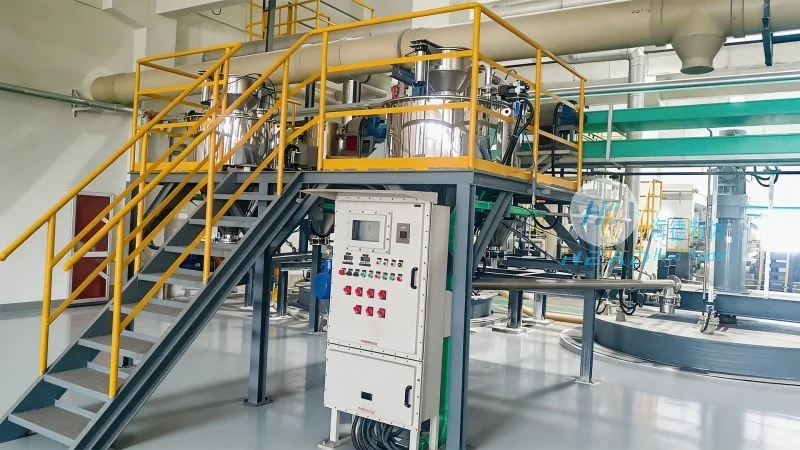
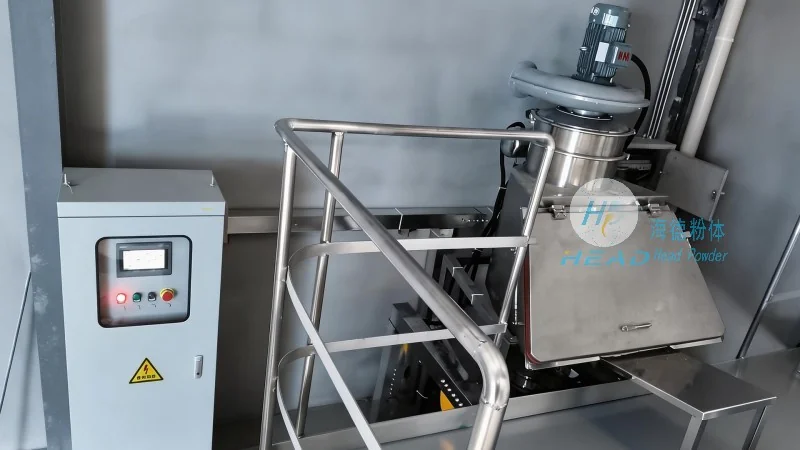
The Principle of Pneumatic Conveying for Paddy Grain
Pneumatic conveying systems utilize air as the medium to transport bulk materials like paddy grains. The core principle involves creating a pressure differential between the inlet and outlet of the conveying line. By generating a flow of air at sufficient velocity, the system can lift and move the paddy grains through a pipeline. This method eliminates the need for mechanical components such as belts or buckets, reducing maintenance and operational costs. The system typically operates under either positive pressure (where air is forced into the line) or negative pressure (where air is drawn out), depending on the application and material characteristics.
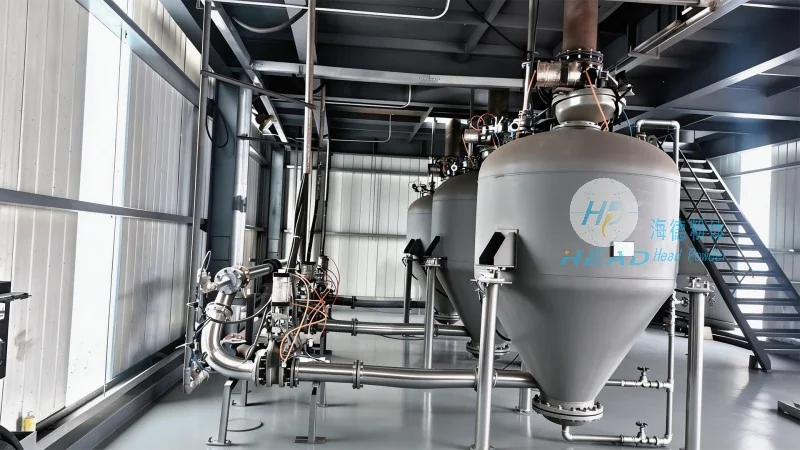
Key Working Scene Characteristics
The working scene characteristics of our paddy grain pneumatic conveying equipment are tailored to meet the specific demands of agricultural processing environments. These systems are designed for high efficiency in handling large volumes of paddy grains, ensuring smooth and continuous operation even under varying load conditions. The equipment is built with robust materials to withstand the abrasive nature of paddy grains, providing durability and long service life. Additionally, the design allows for easy integration with existing processing lines, minimizing downtime during installation and operation.
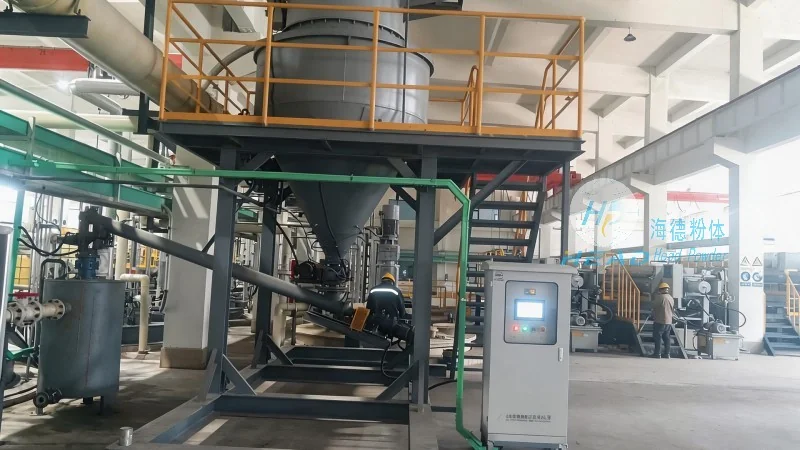
Application Scenarios and Operational Advantages
Our pneumatic conveying systems are widely used in various working scenarios within paddy grain processing facilities. These include transporting paddy from field storage to processing plants, moving grains between different processing stages such as cleaning, drying, and milling, and transferring finished products to packaging areas. The operational advantages of these systems include reduced labor costs due to automated material handling, improved product quality through gentle handling, and enhanced safety by eliminating manual handling of bulk materials. Furthermore, the systems are energy-efficient, with optimized air flow management that minimizes power consumption while maintaining high conveying efficiency.




