Principle and Working Scene Characteristics of Wood Chip Pneumatic Conveying Equipment
Release time:2026-09-18 18:01:27
name of the company:Shandong Headpowder Engineering Co., Ltd.
telephone:156-6277-7102
contacts:Zhang manager
Wood chip pneumatic conveying equipment is a critical component in the processing and transportation of wood chips, which are essential raw materials in the pulp and paper industry, as well as in biomass energy production. This equipment enables the efficient and reliable movement of wood chips from storage areas to processing facilities, such as chipper stations, drying ovens, or biomass power plants. The technology behind this equipment leverages the principles of pneumatic transport, utilizing air pressure to move solid materials through a pipeline system.
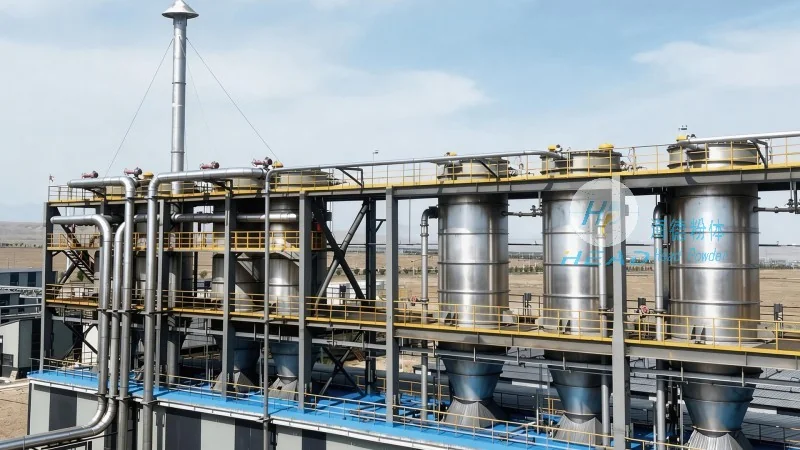
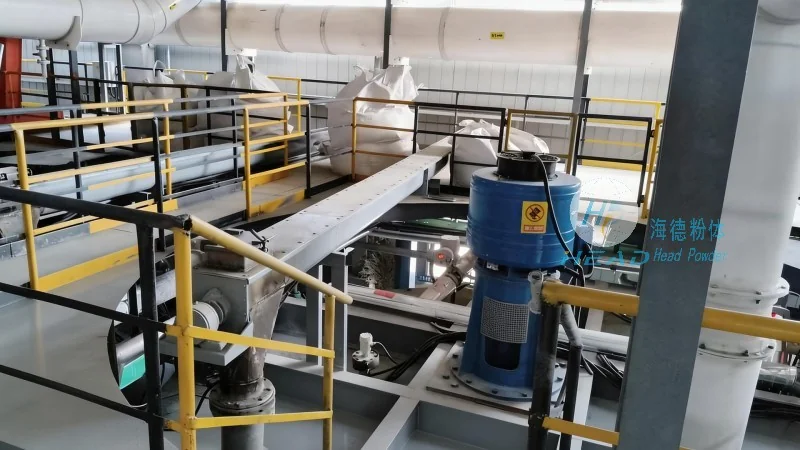
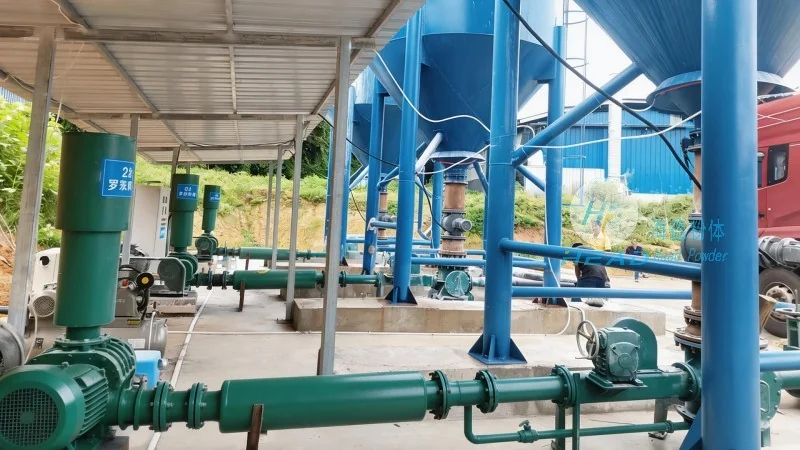
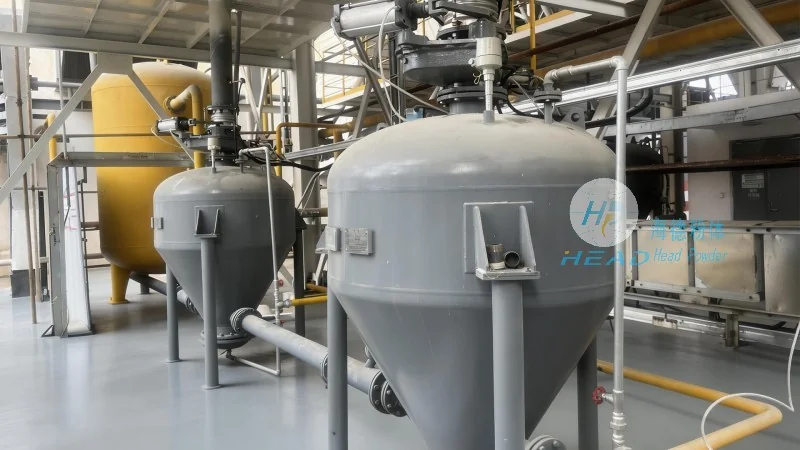
The Working Principle of Pneumatic Conveying Systems for Wood Chips
The core principle of wood chip pneumatic conveying is the use of compressed air to create a flow that propels wood chips through a sealed pipeline. There are two main types of pneumatic conveying systems: dilute-phase and dense-phase. Dilute-phase systems operate at higher air velocities, typically moving wood chips in a dispersed state, while dense-phase systems use lower air velocities to move the material in a more concentrated form, often with a higher solids loading. The system typically consists of a hopper for material storage, a blower or compressor to generate the air pressure, a pipeline network, and a receiver or discharge point. The process begins when wood chips are fed into the hopper, where they are drawn into the pipeline by the moving air stream. The air pressure ensures that the wood chips are transported without the need for mechanical conveyors, which can be prone to blockages and maintenance issues. The working principle involves the generation of a high-pressure air stream by a blower or compressor. This air stream is directed into a pipeline, creating a flow that draws wood chips from the hopper into the system. The air velocity is carefully controlled to ensure that the wood chips are carried along without settling or clogging the pipeline. The system may use a combination of positive and negative pressure zones to optimize the transport efficiency. For example, a positive pressure zone is used to push the material forward, while a negative pressure zone is used to draw the material from the hopper, creating a continuous flow. The design of the pipeline, including the diameter and length, is critical to maintaining the air velocity and pressure required for effective transport. Proper sizing of the pipeline and air handling equipment ensures that the system operates efficiently, minimizing energy consumption and maximizing material throughput.




