Red bean pneumatic conveying equipment, as a key component in modern material handling systems, plays a crucial role in the efficient and safe transportation of bulk materials. This equipment utilizes air pressure to move materials from one location to another, offering significant advantages over traditional mechanical conveying methods. The core principle of pneumatic conveying lies in the creation of a pressurized or vacuum environment that propels particles through a pipeline. By understanding the fundamental principles and typical application scenarios, users can better appreciate the versatility and effectiveness of this technology.
Working Principle of Pneumatic Conveying Equipment
The operation of pneumatic conveying equipment is based on the fundamental physics of fluid dynamics and particle movement. There are primarily two types of pneumatic conveying systems: pressure and vacuum. Pressure systems operate by blowing air or other gases into a sealed pipeline, creating a positive pressure that pushes the material forward. This method is suitable for short to medium distances and can handle a wide range of materials, from fine powders to granular solids. Vacuum systems, on the other hand, use a vacuum pump to create a negative pressure, drawing material into the pipeline. This approach is ideal for applications requiring gentle handling of delicate materials or for conveying over longer distances with lower material velocities.
In both systems, the material is introduced into the conveying line through a hopper or feeder. The air flow is controlled by a blower or vacuum pump, ensuring the correct velocity and pressure to maintain material suspension and prevent blockages. The design of the conveying line, including the diameter, length, and bends, is critical to the system's performance. Properly sized and positioned components, such as cyclones for material separation and filters for air purification, are essential for maintaining system efficiency and longevity.
Key Working Scene Characteristics
Red bean pneumatic conveying equipment is widely applied in various industrial sectors, each with distinct characteristics that highlight its adaptability. In the food processing industry, for example, the equipment is used to transport red bean powder or granules from storage to processing lines. The gentle handling provided by pneumatic systems minimizes product degradation, preserving the quality and nutritional value of the red beans. This is particularly important in applications where the material is sensitive to moisture or temperature changes.
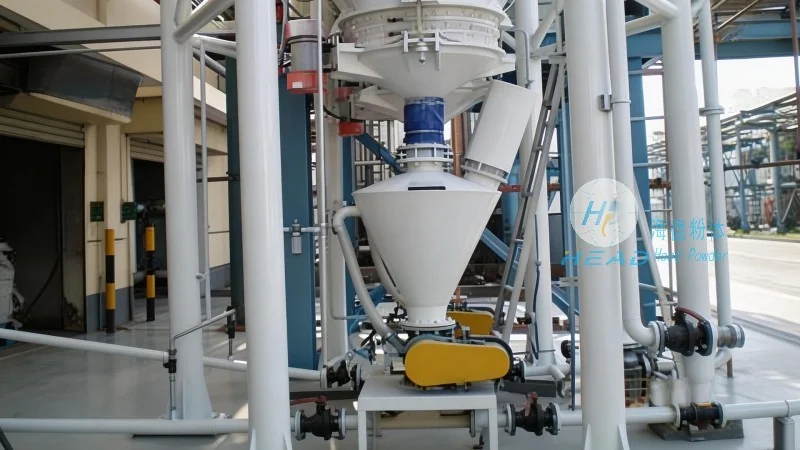
In the pharmaceutical industry, similar principles are applied, but with stricter requirements for hygiene and contamination control. The equipment is often designed with stainless steel components and integrated cleaning systems to meet regulatory standards. The ability to convey materials in a closed system also reduces the risk of cross-contamination, making it suitable for pharmaceutical production lines where product purity is paramount.
Another key application is in the chemical industry, where red bean-based products or related raw materials are processed. Pneumatic conveying allows for the safe handling of potentially hazardous materials, as the system operates in a sealed environment, minimizing exposure risks. The flexibility of the system also enables it to handle different particle sizes and flow rates, adapting to varying production demands.
In the agricultural sector, the equipment is used for the collection and transport of red bean crops from fields to processing facilities. The ability to handle bulk materials efficiently reduces labor costs and improves operational throughput. The system's compact design and low maintenance requirements make it a practical solution for agricultural operations, where space and cost are significant considerations.
Advantages and Considerations in Different Working Scenarios
Across various working scenarios, red bean pneumatic conveying equipment offers several advantages that make it a preferred choice for many industries. One of the primary benefits is the ability to handle a wide range of materials, from fine powders to large granules, without the need for mechanical components that can cause wear and tear. This results in lower maintenance costs and longer equipment lifespan. Additionally, the system's flexibility allows for easy integration into existing production lines, reducing downtime during installation and operation.
However, the effectiveness of the equipment depends on proper system design and maintenance. Factors such as material properties, conveying distance, and air flow rate must be carefully considered to ensure optimal performance. For example, in high-concentration conveying, where a large amount of material is transported with a minimal amount of air, the system may require more robust components to handle the increased pressure and wear. Proper filtration and air purification are also critical to prevent material buildup and maintain system efficiency.
In summary, red bean pneumatic conveying equipment is a versatile and efficient solution for material handling in various industrial and agricultural applications. By understanding its working principles and application characteristics, users can select and operate the system to meet their specific needs, ensuring optimal performance and cost-effectiveness.




