Headpowder, a leading provider in the field of material handling solutions, specializes in advanced pneumatic conveying systems designed for efficient and reliable transport of bulk materials. This article delves into the fundamental principles of pneumatic conveying technology as applied to pearl salt powder, alongside an exploration of the key working scene characteristics that define its practical applications.
Understanding Pneumatic Conveying: The Core Mechanism
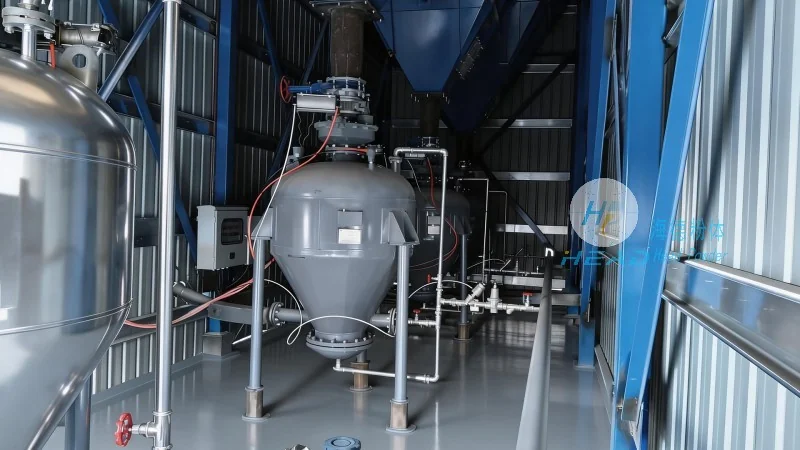
Pneumatic conveying, also known as air conveying, is a method of transporting bulk materials through a pipeline using a stream of air. In the case of pearl salt powder, this technology leverages the principles of fluid dynamics to move the fine particles from one location to another. The process typically involves creating a pressure differential within the system, either by using a positive pressure (blowing air into the line) or a negative pressure (sucking air out of the line). For pearl salt powder, which is characterized by its fine particle size and potential for dust generation, the choice of conveying method—such as dilute phase or dense phase—plays a critical role in optimizing efficiency and minimizing material degradation.
Key Working Scene Characteristics of Pearl Salt Powder Pneumatic Conveying
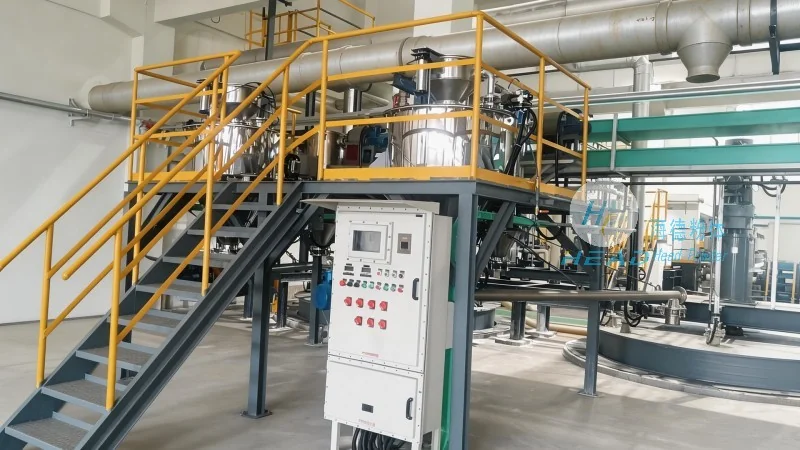
The application of pneumatic conveying for pearl salt powder is shaped by several distinct working scene characteristics that influence system design and operational performance. These include the material's physical properties, such as particle size distribution, moisture content, and flowability, which directly impact the selection of conveying velocity and pipeline diameter. Additionally, the distance and elevation changes between the source and destination points are crucial factors, as they determine the required air pressure and energy consumption. Environmental considerations, such as the need to prevent dust contamination in food processing or pharmaceutical industries, also drive the adoption of enclosed or sealed conveying systems, which are common in applications involving pearl salt powder used in food or chemical manufacturing.
Practical Applications and Operational Benefits
The working scene characteristics of pneumatic conveying for pearl salt powder are evident in various industrial settings. For instance, in food processing facilities, the technology is employed to transport pearl salt powder from storage silos to production lines, ensuring a hygienic and dust-free transfer process. Similarly, in chemical manufacturing plants, the system facilitates the movement of pearl salt powder between processing stages, such as mixing, drying, and packaging, while maintaining product integrity and preventing cross-contamination. The operational benefits of this technology include increased productivity through continuous, automated material transport, reduced labor costs due to minimal manual handling, and enhanced safety by eliminating the need for manual loading or unloading of bulk materials. Furthermore, the flexibility of pneumatic conveying systems allows for easy integration with existing production lines, making it a versatile solution for diverse industrial applications.
Conclusion: Tailoring Solutions for Optimal Performance
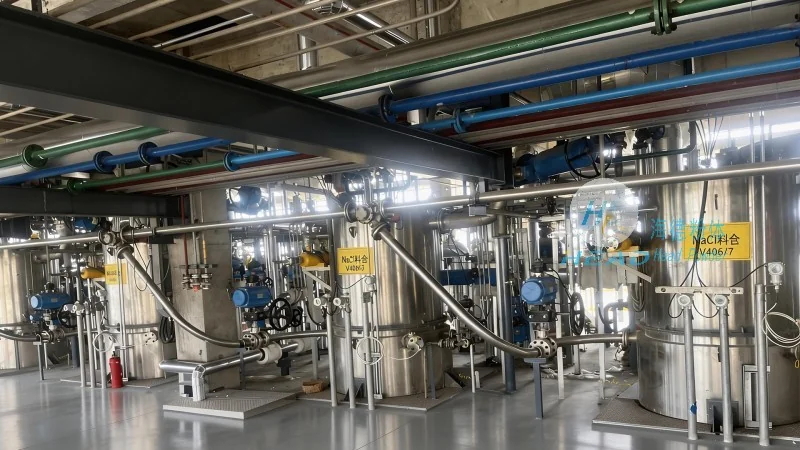
As a company dedicated to providing tailored material handling solutions, Shandong HeadPowder Engineering Co., Ltd. leverages its expertise in pneumatic conveying technology to address the unique working scene characteristics of pearl salt powder applications. By understanding the material's properties and the specific requirements of each industrial environment, the company designs and implements customized systems that optimize efficiency, reliability, and safety. The principles of pneumatic conveying, combined with the specialized considerations for pearl salt powder, ensure that the final solution meets the highest standards of performance and compliance, supporting the operational success of its clients in various sectors.




