HeadPowder, a leading engineering company based in Shandong, China, specializes in advanced solutions for catalyst handling and transportation. This article explores the fundamental principles of catalyst pneumatic conveying and highlights the key characteristics of its working scenarios, providing a comprehensive overview for professionals in the chemical and petrochemical industries.
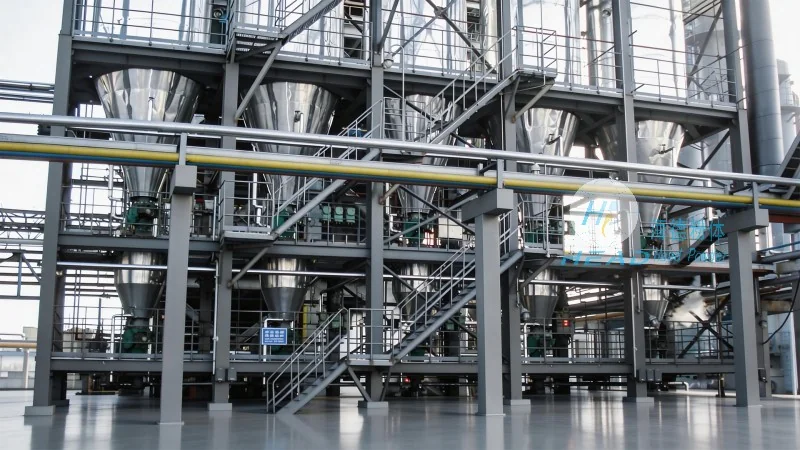
Understanding Catalyst Pneumatic Conveying: Core Principles
Catalyst pneumatic conveying is a sophisticated method for transporting solid catalyst particles through a pipeline using compressed air or other gas streams. The process relies on the principles of fluidization and drag, where the gas flow creates a suspension of catalyst particles, enabling them to move efficiently from the source to the destination. This technique is widely adopted due to its ability to handle abrasive and sensitive materials while minimizing product degradation.
The core components of a pneumatic conveying system include the hopper, which stores the catalyst; the feeder, responsible for controlling the flow rate; the conveying line, where the gas and particles travel; and the receiver, where the catalyst is deposited. The system operates by introducing compressed air into the hopper, creating a negative pressure that draws the catalyst particles into the line. The air velocity is carefully controlled to maintain a stable suspension, preventing particle settling or blockages. This method ensures consistent and reliable transport, even for catalysts with varying particle sizes and densities.
Key Working Scene Characteristics of Catalyst Pneumatic Conveying
The working scenarios of catalyst pneumatic conveying are diverse and tailored to specific industrial needs. These characteristics include high efficiency in material handling, reduced labor costs compared to traditional methods like belt conveyors or manual handling, and enhanced safety by minimizing human exposure to hazardous catalysts. The system is particularly suitable for applications requiring precise control over catalyst distribution, such as in chemical reactors, where uniform catalyst loading is critical for optimal performance.
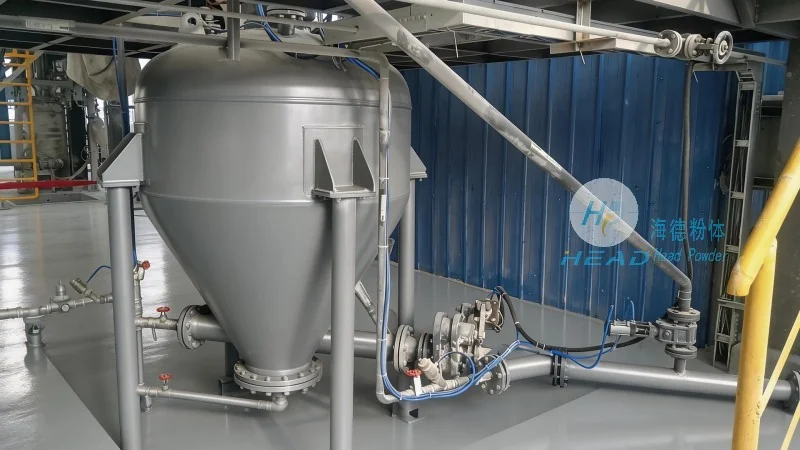
In industrial settings, the system's flexibility allows it to be integrated into existing production lines, adapting to changes in production volume or catalyst type. For example, in petrochemical plants, catalysts are often used in catalytic cracking units, where pneumatic conveying ensures a steady supply of fresh catalyst to replace spent material. The ability to handle large volumes of catalysts quickly and safely makes this method indispensable in high-throughput manufacturing environments.
Another notable characteristic is the system's ability to operate in both positive and negative pressure modes. Positive pressure systems use compressed air to push the material through the line, while negative pressure systems create a vacuum to draw the material. The choice between these modes depends on the application, with negative pressure being preferred for handling dust-sensitive or toxic catalysts to prevent environmental contamination. This adaptability makes catalyst pneumatic conveying a versatile solution for various industrial challenges.
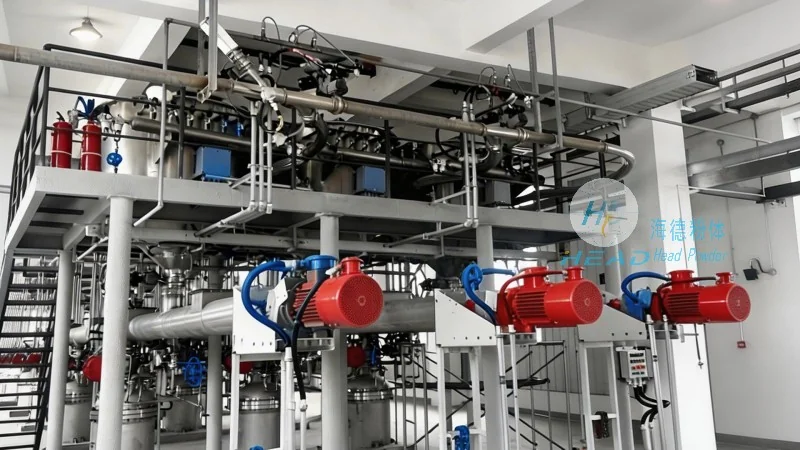
Applications and Benefits in Industrial Settings
HeadPowder's expertise in catalyst handling has led to successful implementations in numerous industrial applications. The company's solutions are designed to address the unique challenges of each working scene, ensuring optimal performance and reliability. For instance, in pharmaceutical manufacturing, catalysts are used in catalytic hydrogenation processes, where precise control over catalyst addition is crucial for product quality. The pneumatic conveying system from HeadPowder ensures that the catalyst is delivered in a controlled manner, maintaining the required reaction conditions.
In the chemical industry, catalysts are essential for processes like polymerization and oxidation. The efficiency of the pneumatic conveying system in these applications is evident in the consistent product output and reduced downtime. The system's ability to handle abrasive catalysts, such as those used in catalytic converters, minimizes wear and tear on equipment, extending the lifespan of the machinery. This not only reduces maintenance costs but also enhances overall operational efficiency.
Furthermore, the working scene characteristics of catalyst pneumatic conveying, such as low energy consumption and minimal product loss, contribute to cost savings and environmental sustainability. By reducing the need for manual handling and minimizing material spillage, the system aligns with modern industrial standards for safety and efficiency. HeadPowder's commitment to innovation ensures that their solutions continue to meet the evolving needs of the industry, providing reliable and effective catalyst transportation solutions.




