For those in the agricultural or fertilizer processing industry, understanding the core principles and operational characteristics of fertilizer material conveying lines is essential for optimizing production efficiency and ensuring safe, reliable material handling. This article provides a detailed overview of the fundamental principles governing these systems, alongside an exploration of key working scene characteristics that define their practical applications.
Core Principles of Fertilizer Material Conveying Lines
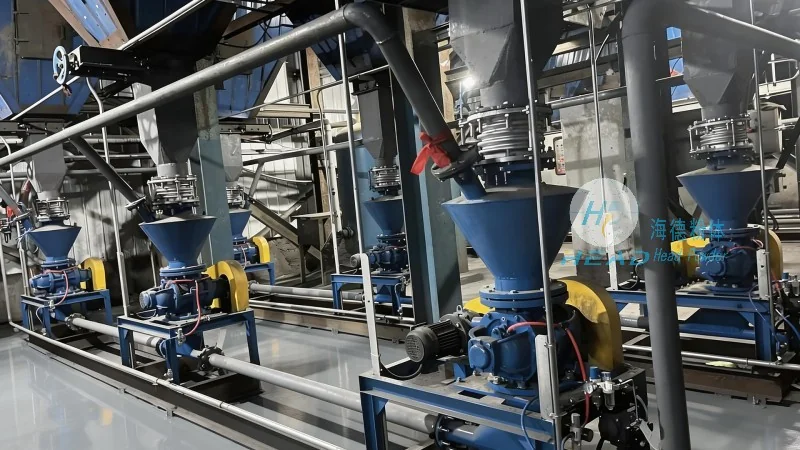
Fertilizer material conveying lines are engineered to transport bulk materials such as granular fertilizers, powders, and other agricultural inputs from one location to another within a processing facility or across a farm. The primary principle behind these systems is the efficient transfer of material while minimizing energy consumption and operational downtime. Key components typically include feed hoppers, conveyor belts or screws, control systems, and discharge mechanisms. The design of these lines is tailored to the specific physical properties of the fertilizer material—such as particle size, moisture content, and flowability—to ensure smooth and consistent movement. For instance, headpowder, a leading manufacturer based in Shandong, China, specializes in customizing conveying solutions that address the unique challenges of handling various fertilizer types, from nitrogen-based compounds to complex organic fertilizers.
Working Scene Characteristics and Application Scenarios
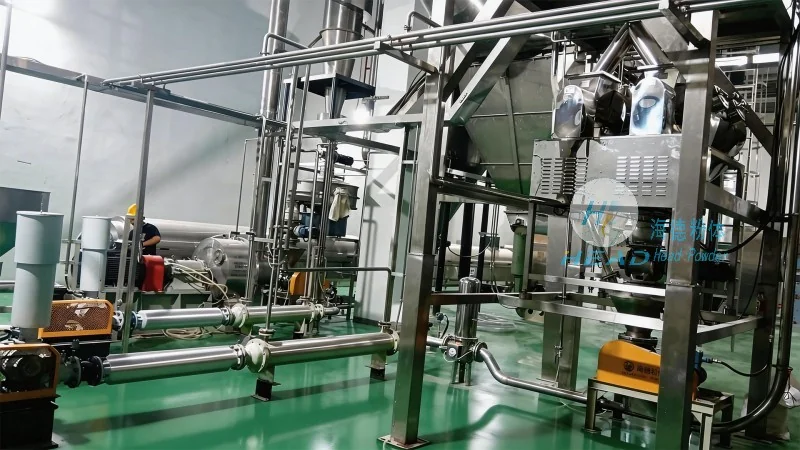
The working scene characteristics of fertilizer material conveying lines are shaped by the operational environment and the specific tasks they perform. These systems are commonly found in fertilizer production plants, where they play a critical role in moving raw materials from storage silos to processing units, and finished products from packaging lines to storage or shipping areas. In agricultural settings, they may be used to transport bulk fertilizers from storage bins to application equipment on farms. The characteristics of these working scenes include high-volume material handling, often requiring continuous operation to meet production demands, and the need for durability and resistance to corrosion or wear from abrasive materials. Additionally, the layout of the conveying line may vary, with some systems designed for horizontal transport, others for vertical lifting, or a combination of both to navigate complex facility layouts. The control systems integrated into these lines are crucial for maintaining consistent speed, pressure, and material flow, ensuring that the conveying process remains stable and efficient under varying load conditions.
Key Operational Features and Benefits
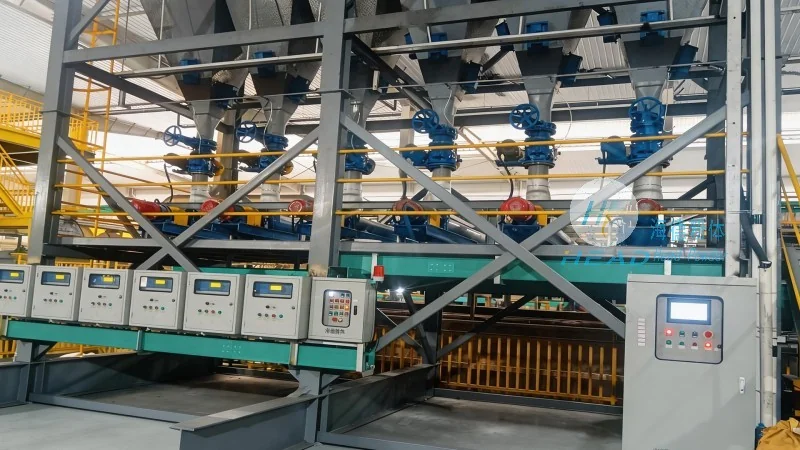
Modern fertilizer material conveying lines incorporate several advanced features that enhance performance and reliability. These include variable speed drives that allow for precise control over conveyor speed based on material volume and processing requirements, and sensors that monitor key parameters such as belt tension, material level, and temperature. The use of durable materials, such as stainless steel or specialized polymers, ensures that the conveying system can withstand the harsh conditions of fertilizer handling, including exposure to moisture, chemicals, and abrasive particles. The benefits of these systems extend beyond efficiency, as they also contribute to improved safety by reducing the need for manual handling of heavy or potentially hazardous materials. Furthermore, the modular design of many conveying lines allows for easy maintenance and component replacement, minimizing downtime and extending the overall service life of the equipment. HeadPowder Engineering Co., Ltd., with its headquarters in Shandong, China, exemplifies these advancements through its commitment to research and development, offering tailored solutions that meet the evolving needs of the fertilizer industry.
Conclusion and Practical Considerations
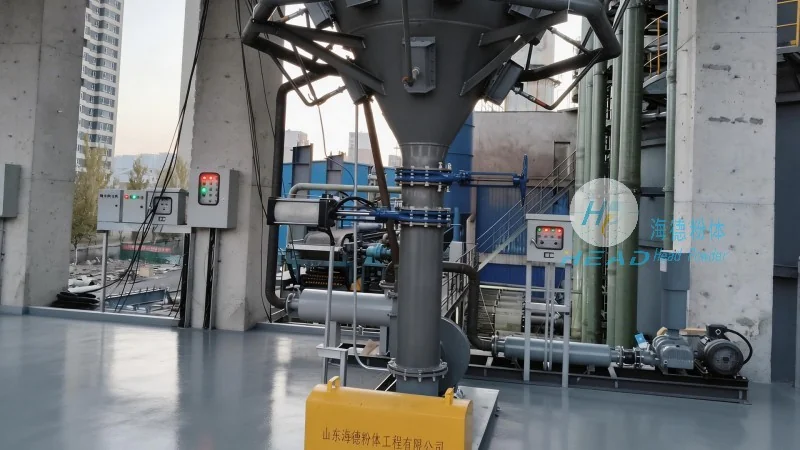
In conclusion, fertilizer material conveying lines are critical components of modern fertilizer processing and agricultural operations, designed to efficiently transport bulk materials while adhering to safety and efficiency standards. The principles underlying these systems focus on optimizing material flow, energy use, and operational reliability, with working scene characteristics dictating the specific design and application of each line. By understanding these principles and characteristics, businesses can select and implement the most suitable conveying solutions to enhance productivity, reduce costs, and ensure compliance with industry regulations. As a trusted manufacturer based in Shandong, China, HeadPowder Engineering Co., Ltd. continues to provide innovative and reliable conveying systems that support the global fertilizer industry's needs.




