HeadPowder, a leading provider in the field, specializes in advanced material handling solutions tailored for industries requiring efficient and reliable transport of barium sulfate. Based in Shandong, China, the company leverages years of expertise to design and implement conveying systems that meet stringent operational demands. This article explores the fundamental principles behind barium sulfate material conveying lines and highlights key characteristics of their application across various industrial settings.
Core Principles of Material Conveying Systems
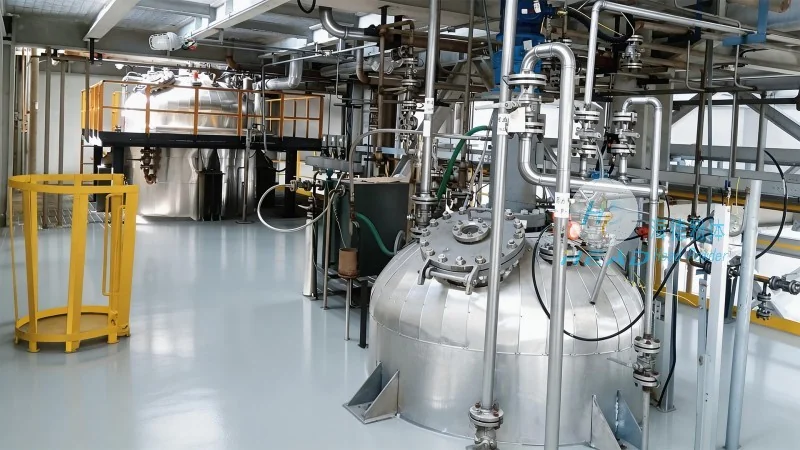
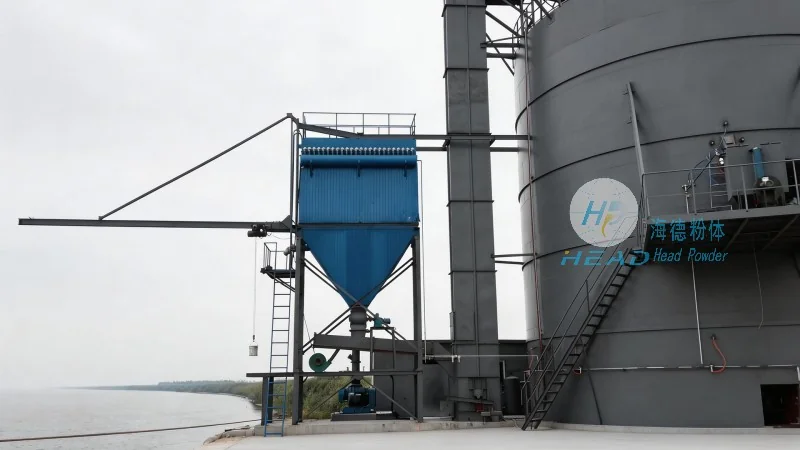
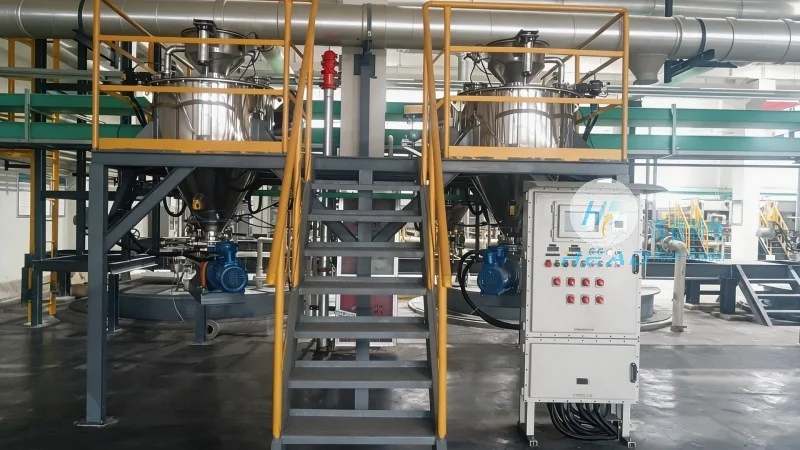
The operation of a barium sulfate material conveying line is built upon a series of integrated components that work in harmony to ensure smooth material transport. At its core, the system typically includes feeders, conveyors (such as belt conveyors or screw conveyors), control systems, and safety mechanisms. The feeding mechanism ensures a consistent and controlled flow of barium sulfate from storage or processing units into the conveyor. This is often achieved through gravity feed or mechanical feeders that maintain a steady material stream, preventing blockages and ensuring uniform loading onto the conveyor belt or screw. The conveyor itself is designed to handle the specific physical properties of barium sulfate, including its density, particle size, and flow characteristics. For instance, belt conveyors are commonly used for bulk material transport due to their ability to handle large volumes and accommodate varying material types. Screw conveyors, on the other hand, are ideal for vertical or inclined transport, providing precise control over material movement and minimizing spillage. The control system plays a critical role in regulating the speed and direction of the conveyor, responding to real-time operational needs. It may include sensors to detect material levels, speed monitors, and emergency stop buttons to enhance safety and operational efficiency. Additionally, safety features such as dust suppression systems are integrated to mitigate the risk of dust exposure, which is particularly important when handling fine barium sulfate particles. The overall principle is to create a seamless, automated process that minimizes manual intervention while maximizing throughput and product integrity.
Working Scene Characteristics and Application Scenarios
The effectiveness of barium sulfate material conveying lines is significantly influenced by the specific working environments and application scenarios they serve. These systems are widely utilized in industries such as pharmaceuticals, chemicals, and mining, where the precise handling of barium sulfate is crucial for downstream processes. In pharmaceutical manufacturing, for example, the conveying line must adhere to stringent hygiene standards, ensuring that the material remains free from contaminants and is transported in a clean, controlled manner. This often involves the use of stainless steel components and enclosed systems to prevent cross-contamination and maintain product purity. The working scene in this context emphasizes cleanliness, precision, and compliance with regulatory requirements. In the chemical industry, barium sulfate is used as a filler or pigment in various products, and the conveying line must be capable of handling abrasive or corrosive materials. The system may incorporate wear-resistant materials and protective coatings to extend the lifespan of components and maintain operational efficiency. The working environment here may involve higher temperatures or more aggressive chemical exposure, requiring robust design and maintenance protocols. In mining operations, barium sulfate is extracted from ore and transported to processing facilities. The conveying line in this scenario must handle bulk quantities of raw material, often with varying particle sizes and moisture content. The system is designed for durability and reliability, with heavy-duty components that can withstand harsh conditions and continuous operation. The working scene in mining emphasizes efficiency, durability, and the ability to handle large volumes of material over extended periods. Another key characteristic is the adaptability of the conveying line to different operational scales. Whether it is a small-scale laboratory setup or a large-scale industrial production line, the system can be customized to meet specific throughput requirements. This flexibility allows industries to scale their operations without compromising on the quality or efficiency of material transport. Furthermore, the integration of advanced technologies, such as automation and real-time monitoring, enhances the overall performance of the conveying line. These features enable operators to track material flow, detect anomalies, and optimize the system for maximum productivity. The working scene characteristics also highlight the importance of safety and environmental compliance. Modern conveying systems incorporate dust collection and filtration systems to minimize environmental impact and protect worker health. This is particularly critical in industries where barium sulfate dust can pose respiratory risks. The combination of these features ensures that the conveying line not only meets operational needs but also adheres to safety and environmental regulations.




